













By Karim Were
Confusion and mixed signals are defining the latest developments in tensions between Iran and the United States, even as speculation grows about potential talks in Islamabad.
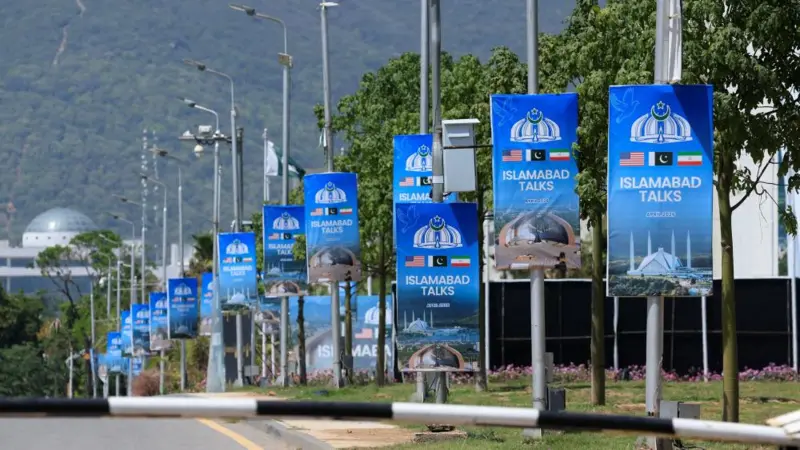
Security has been tightened and roads sealed in Pakistan’s capital, suggesting preparations are underway. Yet neither Washington nor Tehran has confirmed that negotiations will actually happen, leaving observers questioning whether diplomacy is truly imminent or merely being staged.
On the US side, Donald Trump has dismissed suggestions that he faces pressure to secure a deal, projecting confidence amid rising tensions. Meanwhile, reports indicate that a delegation led by Vice-President JD Vance could travel to Pakistan soon, hinting that behind-the-scenes planning may be more advanced than public statements suggest.
Iran’s messaging, however, reflects a more cautious — and possibly divided — stance. A foreign ministry spokesperson insisted there are no current plans for another round of talks. At the same time, President Masoud Pezeshkian has publicly supported diplomatic efforts to ease tensions. Still, questions remain about how much influence he holds within Iran’s broader power structure, raising doubts about Tehran’s ability to commit decisively to negotiations.
Complicating matters further is the ongoing confrontation in the strategically vital Strait of Hormuz. The US blockade continues, alongside the recent seizure of an Iranian-flagged cargo ship — actions that have intensified hostilities and hardened rhetoric on both sides. Accusations of ceasefire violations and escalating threats are adding to an already volatile situation.
Beyond Iran and the US, instability persists elsewhere in the region. The Israel–Lebanon ceasefire remains fragile, though another round of talks is expected soon, according to US officials.
Taken together, the situation paints a picture not of imminent diplomacy, but of a high-stakes standoff where signals are contradictory, authority is fragmented, and the path to de-escalation remains uncertain.