













By Karim Were
The appeal filed by Christopher Okello against his death sentence is drawing renewed attention to Uganda’s decades-long pause on executions and the broader question of how capital punishment is handled in practice.
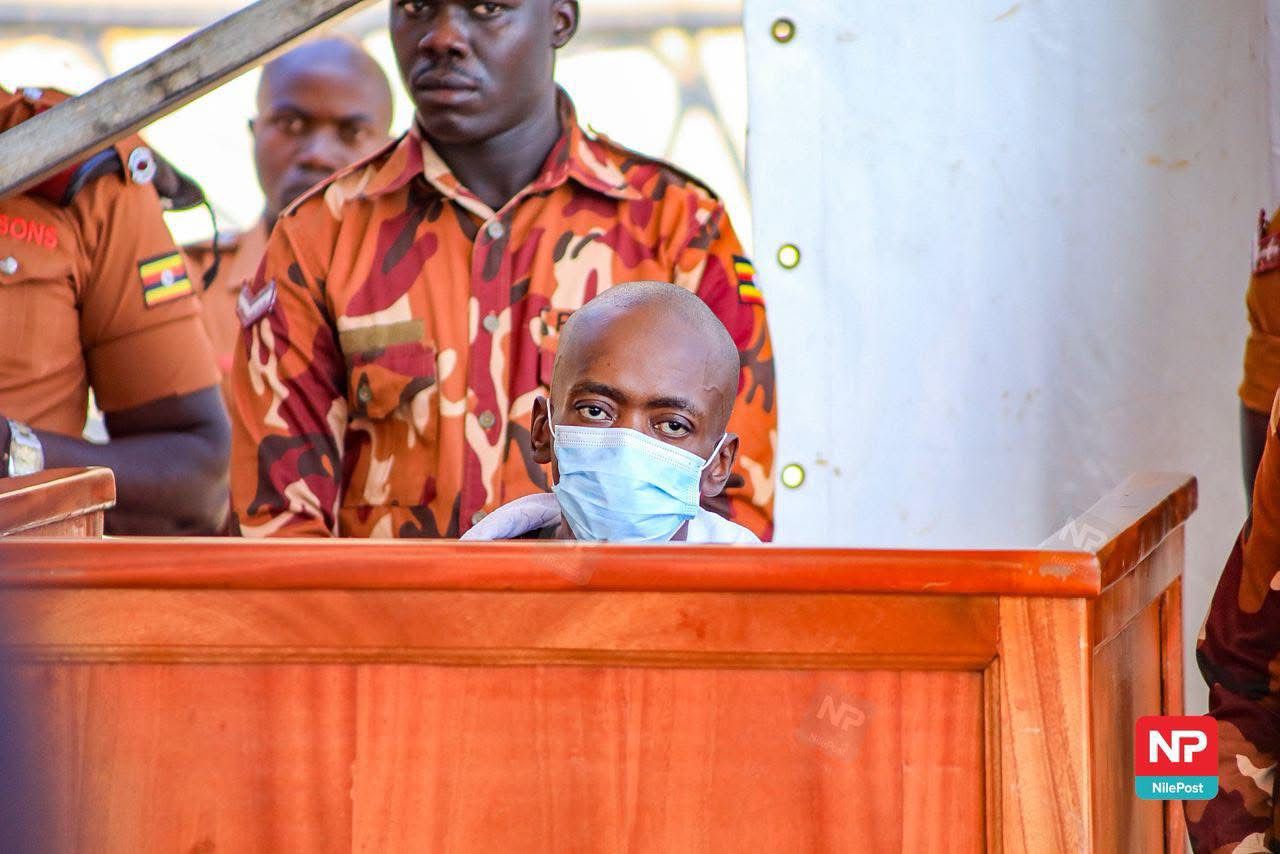
Okello, recently convicted by a mobile High Court sitting in Ggaba for the murder of four toddlers at a daycare center, has now joined more than 90 inmates on death row. His case, confirmed by Uganda Prisons Service spokesperson Frank Baine, is expected to move through the full judicial hierarchy—starting with the Court of Appeal and potentially reaching the Supreme Court.
Baine explained that Uganda’s legal framework provides multiple layers of review in death penalty cases. After a High Court conviction, a defendant has the right to appeal, first to the Court of Appeal and then to the Supreme Court. Even late appeals may be considered if justified.
However, even if all courts uphold the sentence, execution is not automatic. The final decision rests with President Yoweri Museveni under the prerogative of mercy, a step that has effectively halted executions for over 26 years. Uganda last carried out executions in April 1999, and no death warrants have been signed since.
This reality has created a unique situation where death sentences continue to be issued, but rarely—if ever—implemented. According to Baine, the Prisons Service, while operationally ready to carry out executions, increasingly emphasizes rehabilitation over enforcement of capital punishment.
Okello is currently being held in the condemned section of Luzira Upper Prison as his legal challenge begins. His case now not only tests the appeals system but also highlights the unresolved tension between Uganda’s retention of the death penalty in law and its prolonged suspension in practice.