




















By Karim Were
Kabaka Birthday Run 2026 Spotlights Men’s Role in Ending HIV/AIDS
The 2026 Kabaka Birthday Run went beyond a celebration of culture and fitness, emerging as a powerful demonstration of how community-driven initiatives can shape public health outcomes in Uganda.
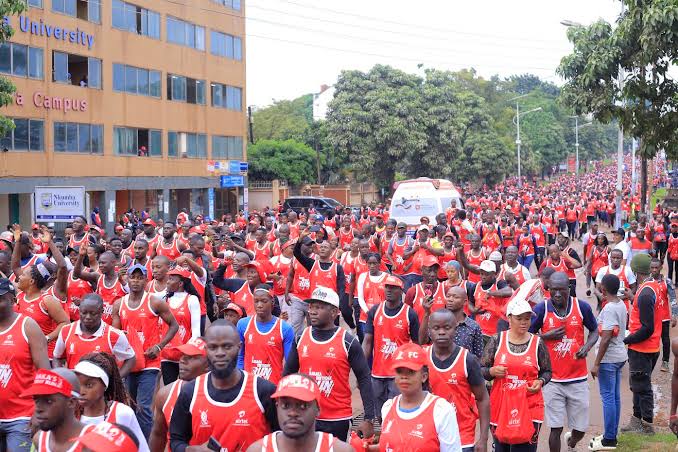
Marked by the presence of Ronald Muwenda Mutebi II, who celebrated his 71st birthday, the event drew an estimated 130,000 participants from across the country. While the race featured the usual 5km, 10km, and 21km categories, its true impact was felt in the collective commitment to tackling HIV/AIDS.
This year’s theme shifted attention to a critical but often underemphasized group—men. By encouraging male involvement in health decisions, the campaign highlighted how family wellbeing and HIV prevention are closely tied to responsible male participation.
Speaking at the event, Charles Peter Mayiga emphasized that lasting progress in the fight against HIV/AIDS depends on everyday choices made within households and communities. He urged Ugandans to embrace regular testing, prevention strategies, and open conversations about health.
Beyond awareness, the run also illustrated the power of grassroots support systems. The Office of the National Chairman (ONC), under the leadership of Hadijah Namyalo, stepped in to provide meals and refreshments to hundreds of participants—many of whom had traveled long distances and arrived without breakfast. This act of care underscored the importance of solidarity in national initiatives.
Participants from all walks of life—including students, families, and corporate teams—turned the event into a shared civic experience. For many, it was not just about running but about contributing to a larger cause that affects communities nationwide.
Over time, the Kabaka Birthday Run has evolved into more than an annual tradition. It now serves as a platform where culture meets public service, and where ordinary citizens actively participate in shaping Uganda’s health future.
As Uganda pushes toward its goal of ending HIV/AIDS by 2030, events like this highlight a key truth: meaningful change is driven not only by policy but by people coming together wit
h a shared purpose.