

























By Karim Were
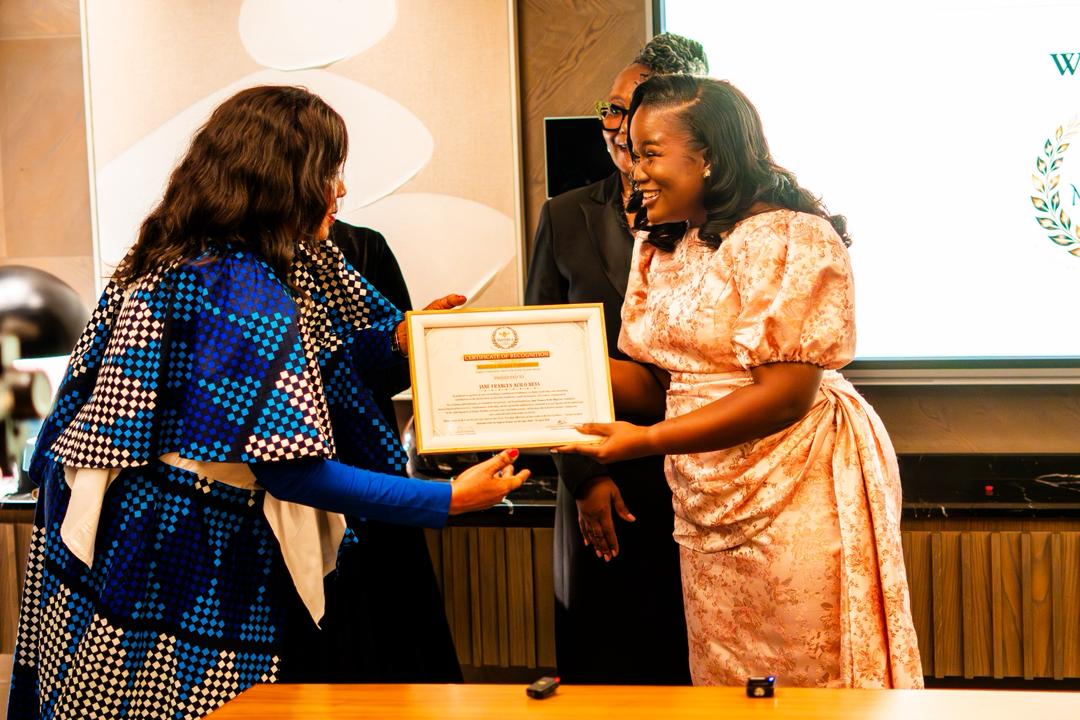
Uganda’s growing influence in humanitarian leadership across Africa took centre stage in Johannesburg as Jane Frances Acilo Nkya was honoured by the Mandela Awards Commission for her far-reaching impact on vulnerable communities.
The ceremony, held on April 10, 2026, at the Park Hyatt Hotel in Rosebank, was more than a celebration of one individual—it was a reflection of a broader movement of African-led solutions to social challenges. Under the theme “Legacy Leadership, Service, Global Impact,” the event spotlighted leaders who are reshaping the continent through grassroots action and visionary thinking.
Acilo Nkya, founder of the Jane Acilo Foundation, has built a reputation for championing education, economic empowerment, health awareness, and social protection, particularly among women and youth. Her recognition signals a growing appreciation for community-driven development models that originate within Africa rather than outside it.
Messages of praise from key continental figures reinforced this perspective. African National Congress Secretary-General Fikile Mbalula, in a recorded address, highlighted the importance of leaders like Acilo Nkya in strengthening Africa’s moral and developmental fabric. He emphasized that sustainable change depends on individuals who combine compassion with action.
Delivering the keynote tribute, Ndileka Mandela underscored the enduring relevance of values associated with her grandfather’s legacy—unity, dignity, and service—pointing to Acilo Nkya as a modern embodiment of those ideals.
For many attendees, including diplomats, policymakers, and business leaders, the evening served as a reminder that impactful leadership is increasingly being defined by measurable community transformation rather than titles or positions.
In her acceptance speech, Acilo Nkya framed the award not as a personal milestone but as a call to greater responsibility. She reflected on her journey from grassroots initiatives in Uganda to continental recognition, emphasizing that true leadership lies in uplifting others.
Her recognition marks not just an individual achievement, but a symbolic moment for African humanitarianism—one that highlights the power of local leadership in shaping the
continent’s future.