






















By Karim Were
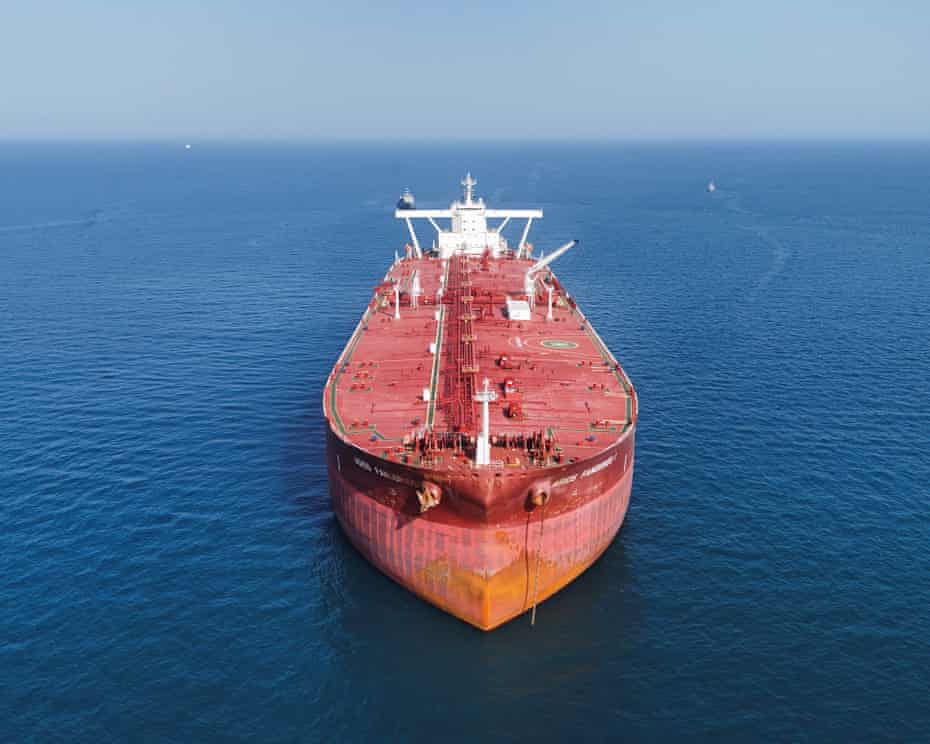
The partial reopening of the Strait of Hormuz is offering only limited relief to global markets, as tensions between Iran and the United States continue to threaten one of the world’s most critical oil corridors.
While Tehran has allowed commercial shipping to resume, the move comes with strict conditions that underline its growing control over the waterway. Iranian authorities now require prior coordination for vessels and are considering new charges framed as “security fees,” signaling a shift from free passage to managed access. Military ships from rivals, particularly the US and Israel, remain excluded entirely.
At the center of the standoff is the ongoing US naval blockade of Iranian ports, which Washington says will stay in place until a comprehensive agreement is reached. Donald Trump insists negotiations are close to completion, but Iranian officials — including Foreign Minister Abbas Araghchi — reject that characterization, pointing to unresolved disputes such as Tehran’s refusal to relinquish its enriched uranium stockpile.
The fragile situation is drawing in global powers. The United Kingdom and France are preparing a joint maritime mission to protect shipping routes, while Keir Starmer has emphasized the urgency of securing freedom of navigation. Meanwhile, Xi Jinping has reportedly backed keeping the strait open, reflecting Beijing’s dependence on stable energy flows.
Beyond the Gulf, the conflict is rippling across the region. In Lebanon, a tenuous ceasefire with Israel is being framed as a potential turning point, even as violence continues to flare. Iran-aligned groups, including the Houthi movement in Yemen, are signaling readiness to escalate if necessary, raising fears of a broader regional confrontation.
Economically, markets have reacted with cautious optimism. Oil prices have dropped sharply following the reopening announcement, but analysts warn that any renewed disruption in the strait could send shockwaves through global supply chains once again.
Ultimately, the situation remains less a resolution than a reset — a high-stakes balancing act where access to a vital النفط artery is now tied directly to geo
political leverage..