

























By Karim Were
Manual cars aren’t just about shifting gears—they’re a story of how driving itself has evolved over time. While many drivers today are more familiar with automatics, manual transmissions still offer a deeper connection between driver and machine, along with a few lesser-known features that even seasoned motorists might not recognize.
At its core, a manual transmission works by allowing the driver to control how power from the engine is delivered to the wheels. Each gear has a specific role: lower gears provide more torque for starting and climbing, while higher gears allow the car to cruise efficiently at speed. The driver uses the clutch to temporarily disconnect the engine from the transmission, making it possible to shift smoothly between gears.
But manual gearboxes haven’t always looked the way they do today. Early designs were simpler, often offering just three forward gears. As engines became more powerful and driving demands increased, manufacturers introduced additional gears to improve both performance and fuel efficiency. Today, it’s common to see five, six, or even seven-speed manuals that deliver smoother transitions and better control.
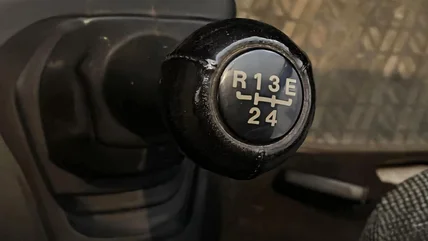
Along the way, engineers experimented with different layouts and features. For instance, some older vehicles included unusual gear markings like “E” for Economy. This setting acted like an extra-high gear, helping reduce engine strain and fuel consumption during long drives. By keeping engine revs low, it encouraged a more efficient, relaxed driving style. Similar rare markings like “G” or “B” also appeared in certain models, though they never became mainstream.
The placement of gear shifters has also changed over time. Early cars often used floor-mounted shifters, but mid-20th-century designs introduced column-mounted systems—sometimes called “three-on-the-tree.” This setup allowed for more seating space in the front row, reflecting a time when practicality and passenger capacity were key priorities. Eventually, the industry returned to floor shifters, favoring their precision and driver-focused feel.
Modern manual transmissions now blend tradition with subtle technology. Some cars include gear indicators to guide drivers, making manuals more accessible to beginners while preserving the hands-on experience enthusiasts love. Even as automatics dominate the market, manuals continue to appeal to those who value control, efficiency, and the satisfaction of mastering the mechanics of driving.
In the end, understanding how a manual car works isn’t just about gears and pedals—it’s about appreciating a system that has adapted over decades, quietly shaping the way people experience the road.