


















By Karim Were
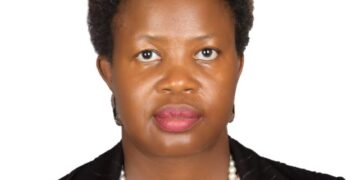
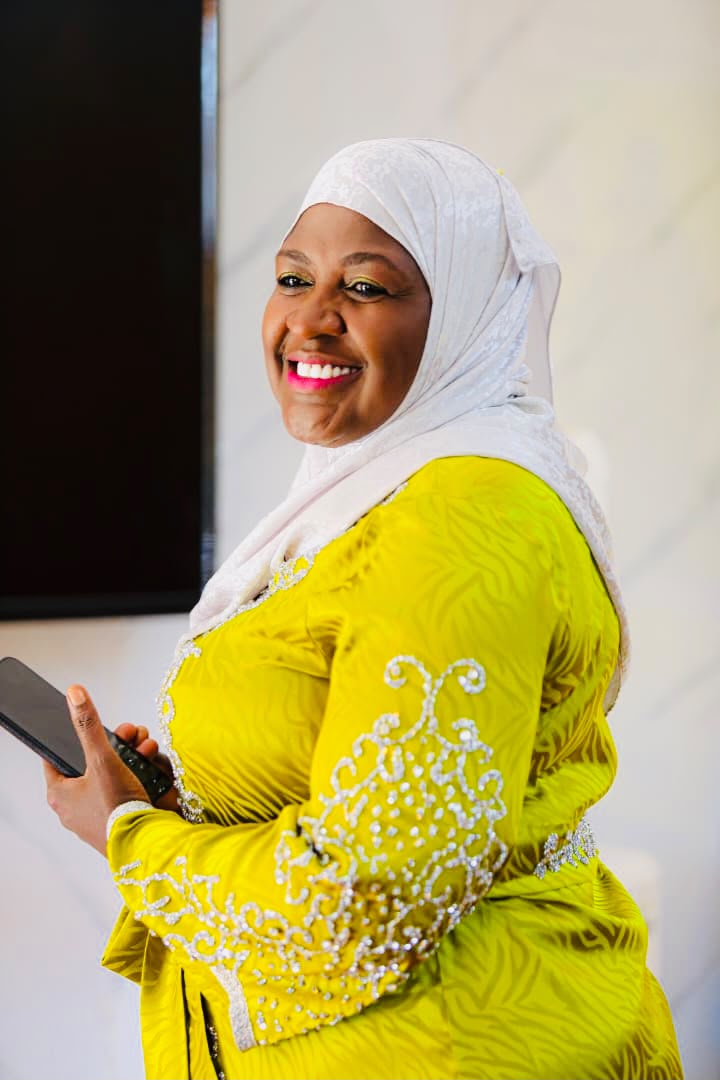
Hajat Namyalo, For years political analysts have debated why President Yoweri Museveni continues to enjoy strong electoral support across Uganda. While critics focus on campaign rhetoric and election-day narratives, many ordinary Ugandans point to something more practical: the visible impact of development on their daily lives.
The discussion is not about magic. It is about progress.
In 1962, only about 9% of Ugandans participated in the money economy. Most households depended entirely on subsistence production, with limited infrastructure, limited access to markets, and few economic opportunities.
By 2013, participation in the money economy had risen to approximately 32%. More roads were being constructed, health facilities expanded, and communities gradually connected to economic activity.
Today, Uganda’s transformation is even more visible. With about 67% of households participating in the money economy, millions of Ugandans have become active players in trade, agriculture, services, and small business enterprises.
Across the country, communities are witnessing the impact of government programs through improved roads, electricity expansion, Parish Development Model initiatives, irrigation projects, milk collection centers, SACCO financing, and access to markets.
For many citizens, these are not statistics. They are daily realities.
Political support often grows where people see results. A farmer who can transport produce to market on a tarmacked road, a trader who accesses affordable credit through a SACCO, or a household connected to electricity may naturally associate those improvements with the leadership under which they occurred.
This explains why development and political support frequently move together.
The argument is simple: when citizens experience economic progress, confidence in continuity increases. Voters often reward leaders they believe have improved their livelihoods and created opportunities for growth.
The challenge ahead is not merely winning elections. It is ensuring that the remaining households still outside the money economy are brought into Uganda’s development journey.
If more families gain access to productive income, markets, infrastructure, and government support programs, the country’s economic transformation will continue to deepen.
Ultimately, voters make their decisions based on their own experiences. Where people see peace, stability, infrastructure, and economic opportunity, they are more likely to support continuity. Where challenges remain, they may seek alternatives.
That is democracy at work.
The future of Uganda’s politics will therefore depend less on slogans and more on service delivery, economic inclusion, and tangible results that citizens can see, measure, and benefit from in their everyday lives.