




















By Karim Were
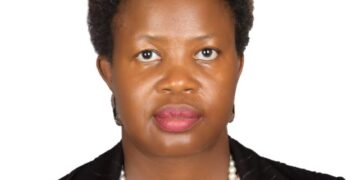
As Uganda moves toward the formation of the 12th Parliament, attention is increasingly turning to who will help steer the institution through a politically diverse and demanding term. Among the names drawing serious consideration for Deputy Speaker is Lydia Wanyoto Mutende — a politician whose supporters argue brings experience, restraint, and institutional understanding at a critical moment for the country’s legislature.
Unlike many politicians whose influence is built on populist rhetoric, Wanyoto’s reputation has largely been shaped by behind-the-scenes legislative work. From her time as Woman MP for Mbale District to her service in the East African Legislative Assembly, she has consistently focused on policy discussions involving women’s empowerment, trade, and regional cooperation.
Those who have worked alongside her describe a leader more interested in procedure and results than political theatrics. In a Parliament expected to feature stronger opposition voices, younger legislators, and rising independent influence, many believe the Deputy Speaker’s role will require patience and balance as much as authority.
Political observers say Wanyoto’s strength lies in her ability to navigate different political spaces. Her long association with the NRM and previous leadership within the party’s Women’s League have given her influence within government ranks. At the same time, her regional work through EALA and engagement with women leaders across East Africa have helped her build relationships beyond partisan politics.
Supporters argue that this ability to work across divides could become increasingly valuable in a House where tensions are expected to run high. Rather than dominating debate, they say, Wanyoto is known for listening carefully before making decisions — a trait many believe is essential for maintaining order during contentious parliamentary sessions.
Her candidacy also carries symbolic significance. Advocates for greater female representation say electing another woman to the Deputy Speaker position would reinforce Parliament’s commitment to inclusion and leadership development for young women entering public service. With women expected to maintain a strong presence in the 12th Parliament, her elevation would reflect the growing role of women in Uganda’s governance structures.
Beyond symbolism, however, supporters point to practical strengths they believe she would bring to the chair: deep knowledge of parliamentary procedure, experience handling complex negotiations, strong grassroots connections, and credibility in regional parliamentary diplomacy.
At a time when public trust in institutions is under increasing scrutiny, the debate around the Deputy Speaker position is becoming less about political popularity and more about competence and stability. For many within Uganda’s political circles, Lydia Wanyoto represents a leadership style centered on discipline, consensus-building, and institutional continuity.
As the 12th Parliament takes shape, the decision on its leadership will help define not only how debates are managed, but also how effectively the institution responds to the expectations of Ugandans across the country.