















By Karim Were
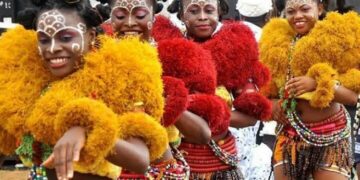
KAMPALA — On a monthly gathering in Kamwokya, Kampala, exercise takes an unmistakably African form. Drums replace the familiar soundtrack of a conventional gym, participants move to traditional rhythms, and the workout becomes as much a social experience as a physical one.
The sessions are part of Bisoko Wellness African Dance Fitness, an initiative founded by dancer and wellness instructor Ephraim Walakira, who is seeking to make physical activity more enjoyable by connecting exercise with African music, dance and community.
The initiative comes as Uganda continues to confront lifestyle-related health risks, including physical inactivity and other factors associated with non-communicable diseases. The Ministry of Health has recently warned that NCDs are increasingly affecting young and economically productive Ugandans and has encouraged greater attention to screening, physical activity, healthier diets and workplace wellness.
Walakira’s approach is based on a straightforward idea: exercise may be easier to sustain when people enjoy the activity and feel connected to the culture and community surrounding it.
“Most people quit workouts because they feel like punishment. With Bisoko, people get lost in the rhythm and the community. They are not just burning calories; they are releasing tension, building connections and celebrating who they are,” Walakira said in an interview published by Daily Monitor.
Turning culture into exercise
Traditional African dance has long been associated with ceremonies, celebrations and community gatherings. Bisoko Wellness attempts to extend that cultural role into contemporary fitness.
According to Daily Monitor, the programme brings participants together in a dance studio in Kamwokya, where they follow movements rooted in African traditions rather than relying on conventional gym equipment. The sessions combine music, movement and group participation into a structured form of exercise.
The programme’s name, “Bisoko”, comes from a Luganda word associated with distinctive movement patterns or motifs. That linguistic connection reflects the broader philosophy of using familiar cultural forms rather than importing an entirely foreign fitness model.
For participants, this can change the emotional experience of exercise. Instead of entering a gym primarily to count repetitions, kilometres or calories, the dancer becomes part of a group activity in which music and movement provide the motivation to keep going.
That distinction may matter in communities where regular gym membership is unaffordable, inconvenient or simply unappealing.
Uganda’s changing lifestyle
The rise of initiatives such as Bisoko comes against a wider transformation in the way many Ugandans live and work.
Uganda’s Ministry of Health has previously identified urbanisation, increased reliance on motorised transport, changing diets and physical inactivity among lifestyle factors contributing to the country’s non-communicable disease burden.
More recently, the ministry said NCDs account for approximately 35% of deaths in Uganda and cited findings from the Uganda STEPS Survey 2023 showing increases in risk factors including hypertension, diabetes, obesity, alcohol consumption and tobacco use. The ministry has particularly highlighted sedentary lifestyles, work-related stress, unhealthy diets and limited physical activity among risks affecting corporate workers.
Advertisment

The ministry has called for employers and communities to support healthier lifestyles through regular screening, medical check-ups, mental-health support, physical activity programmes and healthier food choices.
That public-health context gives community-based fitness programmes a role beyond recreation. While a dance class cannot replace medical care, it can provide one avenue through which people incorporate more movement into their routines.
Exercise without the intimidation
One of the central challenges for fitness programmes is maintaining participation after the initial enthusiasm disappears.
Traditional gyms can be intimidating for beginners, particularly those unfamiliar with exercise equipment or structured workouts. Other people may struggle to find time for formal exercise because of work, family responsibilities or transport costs.
Walakira’s model seeks to reduce some of those barriers by making movement a shared cultural experience.
Advertisment KIKORONGO

The approach also places less emphasis on the idea that exercise must look a certain way. Participants do not have to become professional dancers. Instead, the movements provide a mechanism for sustained physical activity.
That distinction may help explain why dance-based fitness has attracted interest in different parts of the world. Dance can simultaneously provide aerobic activity, coordination, rhythm and social interaction.
For Uganda, there is an additional cultural advantage: many of the movements and rhythms are already familiar within local communities.
Mental wellbeing is part of the equation
Wellness is not only about weight, physical strength or cardiovascular fitness.
The Kampala programme also presents dance as an opportunity to relieve stress and build social connections. Walakira described the sessions as a way of releasing tension and creating a sense of community.
This is particularly relevant in urban environments, where long working hours, traffic congestion, financial pressures and social responsibilities can make stress a persistent part of daily life.
Advertisment kikorongo
Group activities can also reduce the isolation that sometimes accompanies attempts to adopt healthier habits. When people exercise together, they have opportunities to encourage one another and develop routines that can be easier to maintain.
The wider health system is increasingly paying attention to that broader understanding of wellbeing. Uganda’s Ministry of Health has urged employers to incorporate mental-health support alongside physical activity and preventive health measures in workplace wellness programes
A culturally grounded alternative
The idea behind Bisoko also reflects a broader question facing African societies: how can modern health messages be delivered without disconnecting them from local culture?
Public-health campaigns often encourage people to exercise, eat healthier foods and avoid harmful habits. But advice can be difficult to translate into everyday behaviour when recommended activities feel expensive, unfamiliar or disconnected from a person’s environment.
Culturally familiar physical activities offer a possible alternative.
Traditional dance can be practised in communities, schools, cultural centres, workplaces and recreational spaces. It can also be adapted for different levels of fitness and experience.
That flexibility could make it useful as part of broader wellness initiatives, although the effectiveness of any particular programme still depends on factors such as frequency, intensity, participation and individual health needs.
Health benefits require consistency
The popularity of dance-based exercise should not obscure an important point: physical activity produces benefits when it becomes a consistent part of a person’s lifestyle.
Uganda’s Ministry of Health has long warned that physical inactivity is an important risk factor for NCDs and has encouraged Ugandans to become more physically active.
The ministry has also emphasised that lifestyle changes are important alongside measures such as screening and early diagnosis.
For individuals considering a new exercise routine, health needs can vary widely. People with existing medical conditions or those beginning vigorous exercise after long periods of inactivity may need professional medical guidance before undertaking strenuous activity.
The broader principle, however, is straightforward: finding an enjoyable and sustainable form of movement can be more useful than pursuing an exercise routine that a person quickly abandons.
The social side of fitness
Bisoko’s emphasis on community may prove just as significant as the physical movements.
In many African societies, dance traditionally brings people together. It can accompany weddings, festivals, religious events, ceremonies and celebrations. By incorporating some of those traditions into fitness, the programme creates an experience that goes beyond the individual pursuit of physical appearance.
That social element may also help change perceptions about exercise.
Instead of viewing fitness as something reserved for athletes or people seeking to lose weight, dance-based wellness presents physical activity as something ordinary people can incorporate into their lives for enjoyment, social connection and general wellbeing.
This is particularly important as public-health authorities seek ways to prevent NCDs before they become severe.
From entertainment to wellness
The emergence of African dance fitness also illustrates how entertainment and wellness can increasingly overlap.
Music and dance already occupy an important place in Uganda’s social and cultural life. Using them to encourage healthy behaviour could provide organisations with another channel for reaching people who may not respond to traditional health campaigns.
The opportunity is particularly relevant among younger urban populations, whose daily lives can involve prolonged sitting, motorised transport and screen-based work or entertainment.
The Ministry of Health has identified sedentary lifestyles as a particular concern among corporate workers and has encouraged workplaces to invest in physical activity and other wellness measures.
Programmes that combine movement with entertainment could therefore complement conventional workplace fitness schemes and community health activities.
More than a fitness class
For Walakira, the ambition behind Bisoko appears to extend beyond creating another exercise class in Kampala.
The programme’s concept attempts to make wellness feel familiar, social and enjoyable rather than clinical or intimidating.
That approach is increasingly relevant in a country where the Ministry of Health is seeking stronger preventive action against NCDs, while urbanisation and changing lifestyles continue to reshape how Ugandans work, travel, eat and spend their leisure time. (Health Library)
The challenge will be determining whether such initiatives can grow beyond individual classes and become sustainable community programmes capable of reaching people across different income groups and age categories.
For now, the sight of Kampala residents exercising to African rhythms illustrates one possible direction for Uganda’s evolving wellness culture.
Rather than separating fitness from culture, programmes such as Bisoko are attempting to bring the two together.
And as Uganda continues to confront the health consequences of increasingly sedentary lifestyles, the idea that exercise can be enjoyable, social and culturally familiar may become an increasingly important part of the conversation about prevention.
Conclusion: The growth of African dance fitness does not offer a single solution to Uganda’s health challenges, but it demonstrates how cultural identity can be used to encourage healthier habits. In a country facing a growing NCD burden, making physical activity accessible and enjoyable could help turn wellness from an occasional goal into a more sustainable part of everyday life.
**Source: