





















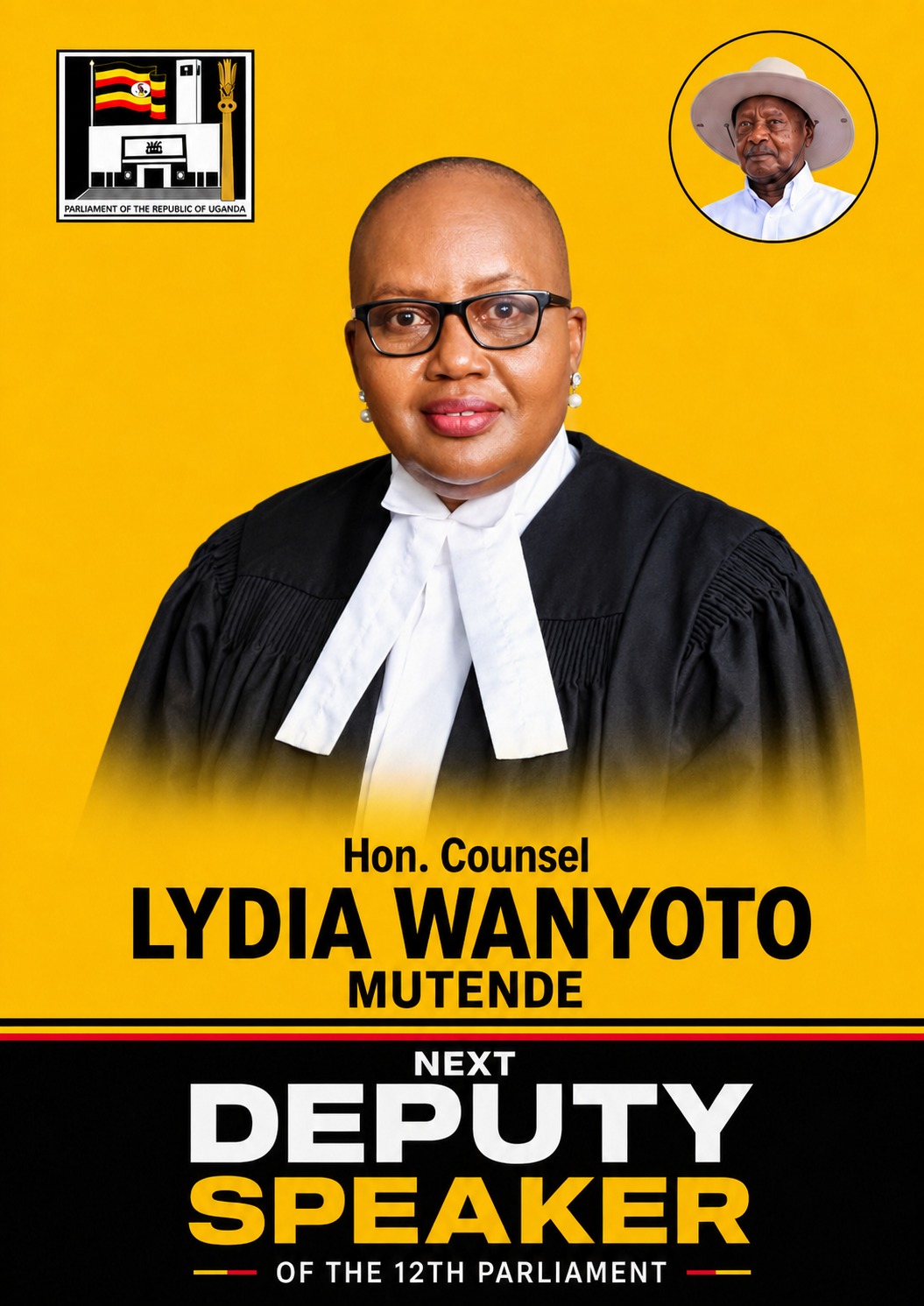
By Karim Were
As Uganda’s 12th Parliament begins to take shape, conversations around the Deputy Speaker position are increasingly shifting away from political popularity and toward questions of competence, stability, and institutional leadership.
Within political circles, there is growing recognition that Parliament requires leaders capable of managing complex debates, maintaining order, and strengthening confidence in legislative institutions. In that discussion, Lydia Wanyoto has emerged as a figure many associate with discipline, consensus-building, and continuity.
Supporters argue that the evolving demands of Parliament now require a leadership approach grounded in experience and administrative steadiness rather than political visibility alone. They view the Deputy Speaker’s office as critical to ensuring smooth legislative business and balancing competing political interests inside the House.
Observers note that the next Parliament will face heightened public expectations on accountability, service delivery, and national development. As a result, the choice of parliamentary leadership is expected to influence not only the tone of debate but also the institution’s ability to respond effectively to issues affecting citizens across the country.
For many within the ruling establishment and broader political community, the debate is no longer simply about who commands attention politically, but who can provide institutional stability at a time when Parliament’s role remains under close public scrutiny.