




















By Karim Were
Uganda is edging closer to passing one of its most controversial pieces of legislation in recent years, as strong parliamentary backing positions the government to tighten its grip on civic and political space.
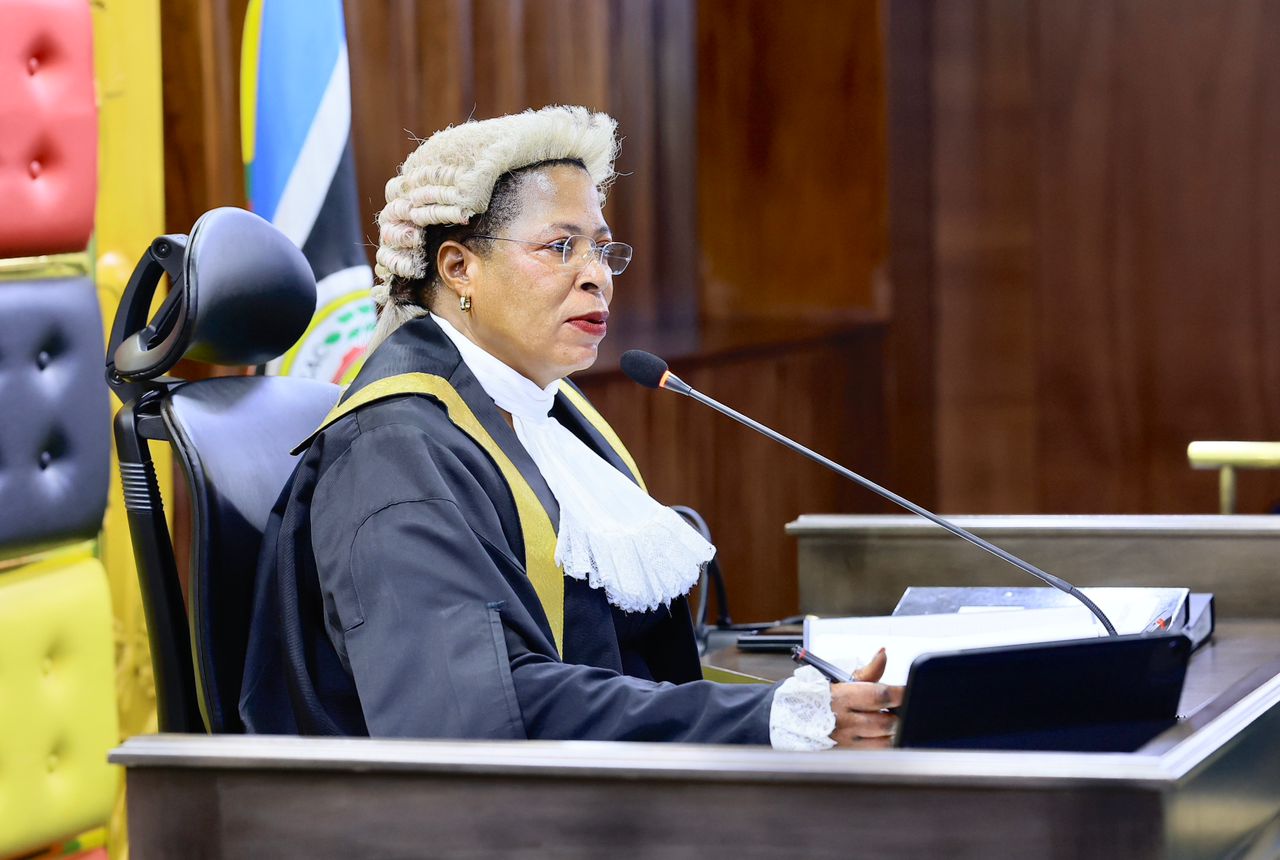
With Speaker Anita Among presiding over a House widely seen as aligned with the executive, and President Yoweri Museveni openly supporting her leadership alongside Deputy Speaker Thomas Tayebwa, the legislative environment appears firmly in the government’s favour.
At the centre of the debate is the Protection of Sovereignty Bill, 2026, introduced by State Minister for Internal Affairs David Muhoozi. While officials present it as a safeguard against foreign interference, critics see it as a far-reaching attempt to regulate dissent and public discourse.
The bill proposes a sweeping classification of “agents of foreigners,” a label that could apply not only to NGOs and organisations but also to individuals and members of the diaspora whose work is linked to external funding or influence. Its scope stretches deeply into the digital sphere, bringing online activism, advocacy, and even public commentary under potential state oversight.
If enacted, individuals and organisations falling under this category would be required to register with the government, undergo vetting, and adhere to strict financial limits on foreign funding. Any funding beyond a capped threshold would require ministerial approval, adding a layer of political control over civic operations.
More contentious still are the criminal provisions embedded in the bill. It introduces offences such as “economic sabotage,” a broadly defined concept that includes publishing information perceived to harm the country’s economic stability. Critics warn that the lack of clear definitions could allow authorities to target journalists, researchers, and critics of government policy.
The bill also restricts attempts to influence public policy or mobilise opposition without prior Cabinet clearance, raising alarms about its implications for democratic participation. Penalties are severe, including long prison sentences for individuals and heavy financial penalties for organisations.
Civil society groups, legal experts, and development stakeholders argue that the law could significantly curtail freedoms of expression, association, and assembly. There are also growing concerns about economic consequences, as tighter controls on foreign funding may discourage investment and disrupt donor-supported programmes in key sectors.
Despite mounting criticism, the bill’s prospects remain strong. With parliamentary leadership closely aligned with the executive and limited resistance within the House, Uganda appears poised to adopt a law that could redefine the balance between national sovereignty and civil liberties.