
























By Karim Were
Uganda–Rwanda Talks in Kampala Signal Shift Toward Stronger Trade, Security, and Regional Integration
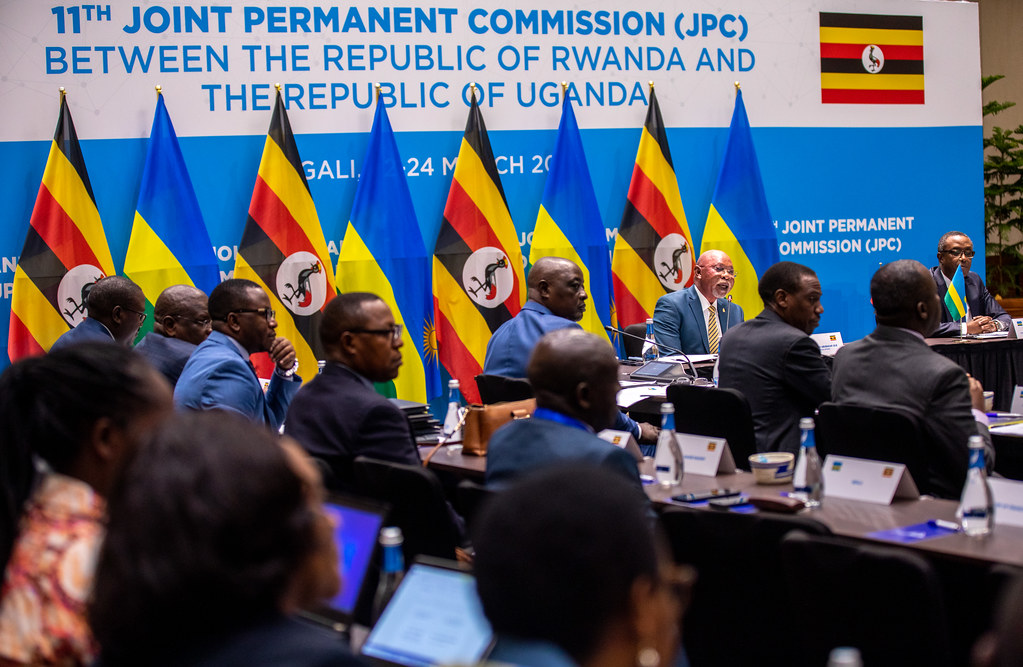
Uganda’s decision to host Rwanda for the 12th session of the Joint Permanent Commission in Kampala is less about routine diplomacy and more about resetting momentum in a relationship that is central to regional stability and economic growth in East Africa.
Scheduled for April 20–22 at Mestil Hotel, the meeting comes at a time when both countries are looking to deepen practical cooperation—especially in trade, infrastructure, and cross-border coordination. Rather than focusing solely on reviewing past agreements, officials are expected to prioritize implementation gaps and fast-track joint projects that directly impact citizens and businesses.
The talks, held under the framework of the East African Community, will bring together representatives from over 15 government institutions. Early sessions will be led by technical experts assessing progress since the 2023 meeting in Kigali, but the real weight lies in the ministerial segment where new commitments—and potentially binding agreements—will be finalized.
A key shift in this session is the strong emphasis on economic outcomes. Trade figures already show a significant imbalance, with Uganda exporting far more to Rwanda than it imports. By focusing on trade facilitation, customs coordination, and production linkages, both sides appear intent on creating a more efficient and mutually beneficial flow of goods.
Security and migration management are also high on the agenda, reflecting the recognition that economic cooperation cannot thrive without stable and predictable cross-border relations. Joint approaches to policing, defense coordination, and movement of people are expected to feature prominently.
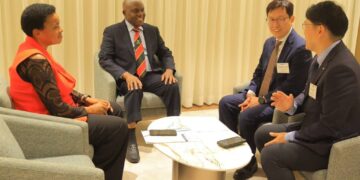
Leadership of the delegations underscores the importance attached to the meeting. Uganda’s team will be headed by John Mulimba, while Rwanda’s delegation will be led by Usta Kaitesi. Their mandate goes beyond diplomacy—both are expected to deliver actionable outcomes that align with broader continental goals such as the African Union’s Agenda 2063.
Ultimately, this session signals a pragmatic turn in Uganda–Rwanda relations: moving from dialogue-heavy engagements to results-driven cooperation, where trade efficiency, infrastructure development, and regional integration take center stage.