





















By Karim Were
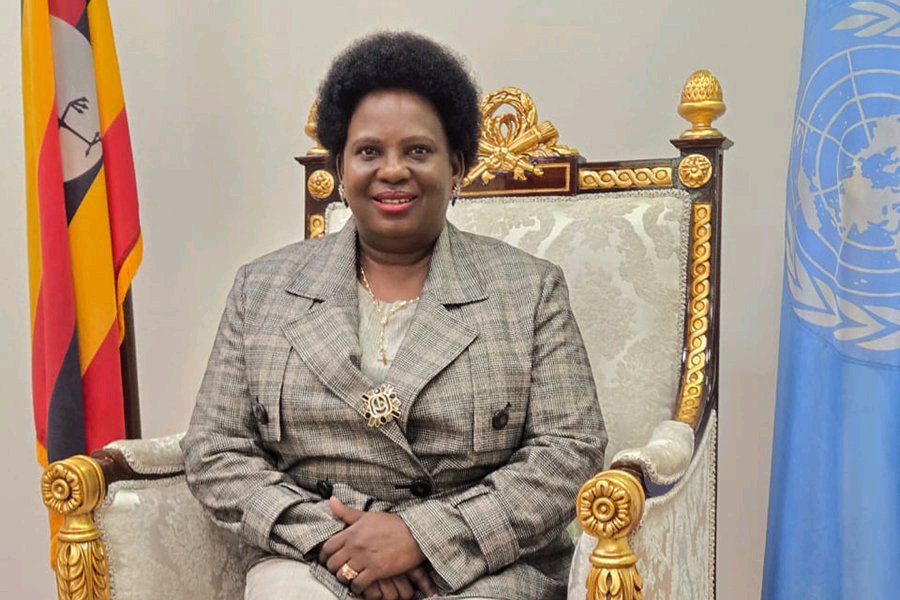
A growing rift between two of Uganda’s senior ministers has shifted attention from electoral outcomes to the tone and substance of political discourse in the country. Gender Minister Betty Amongi is now accusing Health Minister Jane Ruth Aceng of lowering the standard of public debate following remarks that linked the recent Lira City Woman MP election to spiritual forces.
Amongi’s response comes after Aceng, speaking at a high-profile event attended by Chief of Defence Forces Muhoozi Kainerugaba, framed her electoral victory as a triumph of divine intervention over what she described as her opponent’s reliance on witchcraft. Aceng portrayed the race in spiritual terms, suggesting it was a contest between faith and dark forces.
However, Amongi has pushed back strongly, arguing that such statements undermine serious political engagement and divert attention from the real challenges facing citizens. She dismissed the allegations as unfounded and inconsistent with her personal beliefs, emphasizing her Christian faith while condemning what she called the introduction of superstition into national leadership conversations.
Beyond the war of words, the dispute reflects deeper tensions stemming from the contested Lira City election. While Aceng emerged victorious with a significant margin, Amongi continues to question the legitimacy of the process. She alleges that state security agencies—including the Uganda People’s Defence Forces (UPDF), police, and prisons—played an inappropriate role in influencing the outcome.
Amongi further claims that Aceng’s own public remarks acknowledging support from security forces raise serious concerns about electoral fairness and the neutrality of state institutions. These accusations, if substantiated, could intensify scrutiny of how elections are conducted and the involvement of security actors in political processes.
The clash between the two ministers now highlights not just a personal rivalry, but broader concerns about governance, accountability, and the direction of political discourse in Uganda. As both leaders trade accusations, questions remain over whether the focus will return to policy issues—or continue to be dominated by controversy and division.