

















By Karim Were
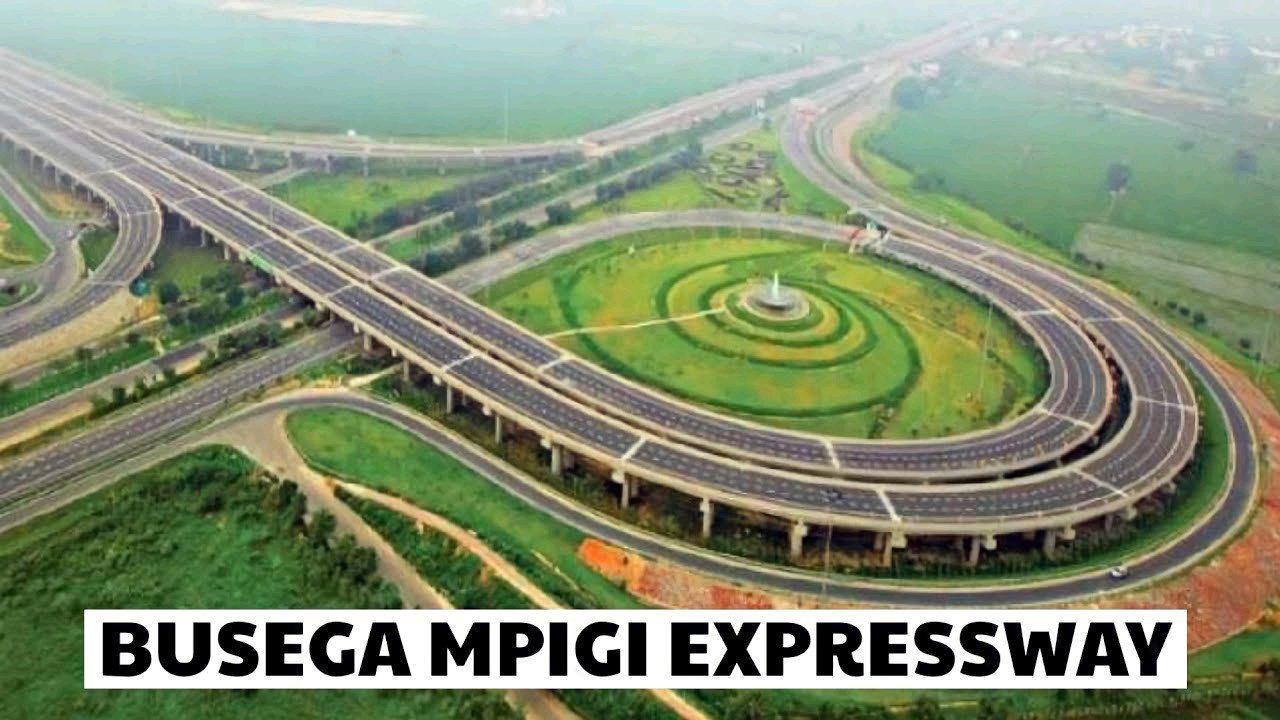
The unfolding investigations into the Busega–Mpigi Expressway have shifted the national conversation beyond allegations of route manipulation to a broader question of accountability in Uganda’s management of public infrastructure projects.
Advertisiment 
The controversy comes at a time when Parliament has consistently raised concerns over the country’s growing public debt, stalled infrastructure works and the increasing cost of taxpayer-funded projects. Lawmakers have also questioned repeated contract variations, delayed implementation and compensation claims that have significantly inflated project costs.
Advertisiment: Voyagers Kikokrongo 
Successive Auditor General reports have highlighted weaknesses in the management of externally financed projects, citing poor absorption of borrowed funds, implementation delays and billions of shillings lost through commitment fees on loans that remain undisbursed.
Legal experts say that if ongoing investigations establish evidence of abuse of office, fraudulent compensation or misuse of public resources, those implicated could face action under the Anti-Corruption Act, the Leadership Code Act, the Public Finance Management Act and the Penal Code.
For many Ugandans, the Busega–Mpigi investigation now represents a critical test of the government’s commitment to tackling corruption at the highest levels. The outcome is expected to demonstrate whether public officials entrusted with major infrastructure projects can be held accountable when allegations involve billions of shillings financed by taxpayers and international development partners.
As investigators continue to examine the circumstances surrounding the project and additional officials come under scrutiny, attention is increasingly focused on the Inspectorate of Government. Its findings could determine whether the disputed route decisions were the result of technical and engineering considerations or formed part of a wider compensation scheme that, if proven, would rank among the most significant corruption cases in Uganda’s roads sector.