




















By Karim Were
Uganda’s justice system is undergoing a significant transformation as the Judiciary of Uganda shifts focus from traditional courtroom battles to faster, settlement-driven dispute resolution.
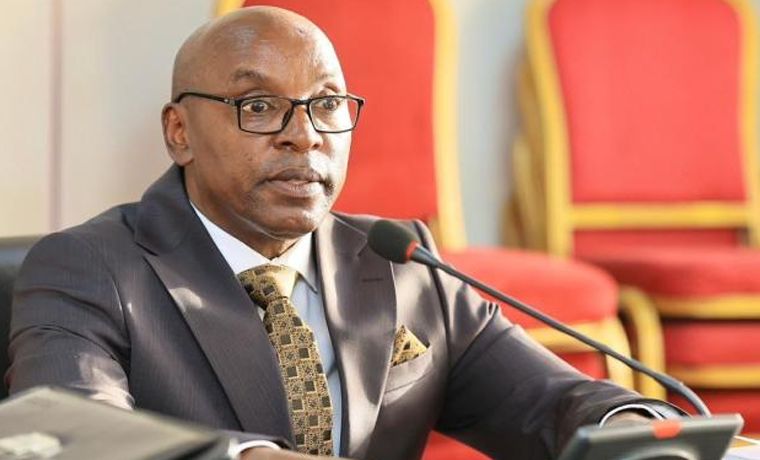
With the rollout of the Judicature (Court Annexed Mediation) Rules, 2026, issued by Flavian Zeija, mediation is no longer just an optional alternative—it is becoming a central step in how civil disputes are handled.
The new framework signals a deliberate move away from prolonged litigation toward structured dialogue and negotiated settlements. By embedding mediation directly into court processes, the Judiciary aims to tackle one of its biggest challenges: a persistent backlog of cases that has slowed access to justice for years.
Under the updated rules, disputes referred to mediation must be resolved within a strict 60-day window. This introduces a sense of urgency and accountability that was previously lacking, ensuring cases do not linger indefinitely in the system.
Another notable shift is the removal of cost barriers. Unlike before, mediation services will now be funded by the Judiciary, meaning parties will not have to pay mediators. This change is expected to make dispute resolution more accessible, particularly for individuals who may have avoided legal processes due to financial constraints.
The reforms also tighten oversight of the mediation process. A more structured system for accrediting and registering mediators has been introduced, alongside clearly defined responsibilities for all parties involved—from lawyers to litigants and the mediators themselves.
At its core, the new approach reflects a broader vision of a justice system that prioritizes resolution over confrontation. By encouraging compromise and cooperation, officials believe mediation can not only speed up case handling but also preserve relationships that might otherwise be damaged through adversarial court proceedings.
As the reforms take effect, the Judiciary is urging legal practitioners and the public to embrace mediation—not as a fallback option, but as a primary path to justice in Uganda’s evolving legal landscape.