
























By Karim Were
For more than 20 years, Mark Bonnick lived what many Arsenal supporters would consider a dream. A lifelong fan, he worked behind the scenes at the club’s academy, helping nurture generations of young talent — including future stars like Bukayo Saka.
Today, at 63, Bonnick says he is working on construction sites to survive after being dismissed by Arsenal F.C. following controversial social media posts about Israel and Gaza.
As Arsenal chase what could become one of the most successful periods in the club’s modern history under Mikel Arteta, Bonnick watches from the outside — emotionally detached from the institution he once proudly served, but still loyal to the team itself.
“I still support Arsenal,” he says. “That’s my football club and always will be. But the club as an employer is different.”
Bonnick joined Arsenal during the academy era overseen by Liam Brady before eventually becoming the club’s full-time kit manager in 2013. Over the years, he says he built strong relationships throughout the organisation and watched academy players rise through the ranks.
But in December 2024, everything changed.
After complaints were made about posts he shared on X regarding the war in Gaza, Bonnick was suspended and called into a disciplinary meeting. According to him, the process was swift and heavily one-sided.
He claims he was labelled an anti-Semite and even a “neo-Nazi” online after an anonymous account highlighted his posts. Following advice from his daughter, he deleted his X account in an attempt to protect both himself and the club.It wasn’t enough.
Just days before Christmas, Bonnick says Arsenal informed him by phone that his employment had been terminated. He insists neither the Football Association nor anti-discrimination organisation Kick It Out found evidence that his comments were anti-Semitic.
According to Bonnick, the issue became less about hate speech and more about reputation management. Arsenal ultimately concluded that his online activity had brought the club “into disrepute.”
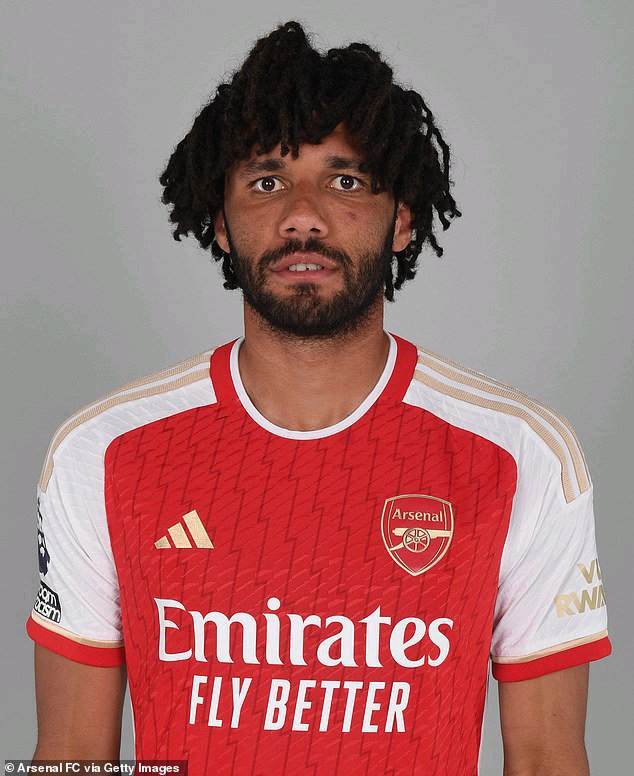
The former kit manager argues that football clubs increasingly struggle with where to draw the line between personal political expression and institutional image control. During his appeal, he referenced how Arsenal previously defended midfielder Mohamed Elneny after the player publicly expressed support for Palestine in 2021.
Bonnick says that comparison was dismissed during the hearing.
Now involved in an ongoing legal dispute with the club, he is expected to enter mediation with Arsenal in June. Meanwhile, the man who once prepared kits for elite footballers spends his days doing manual labour for his son’s construction business.
“It’s hard work at my age,” he admits. “I thought I’d finish my career at Arsenal.”