








By Karim Were
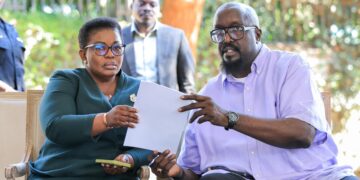
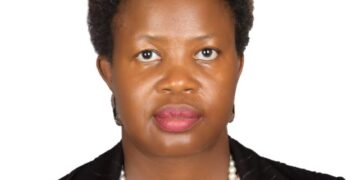
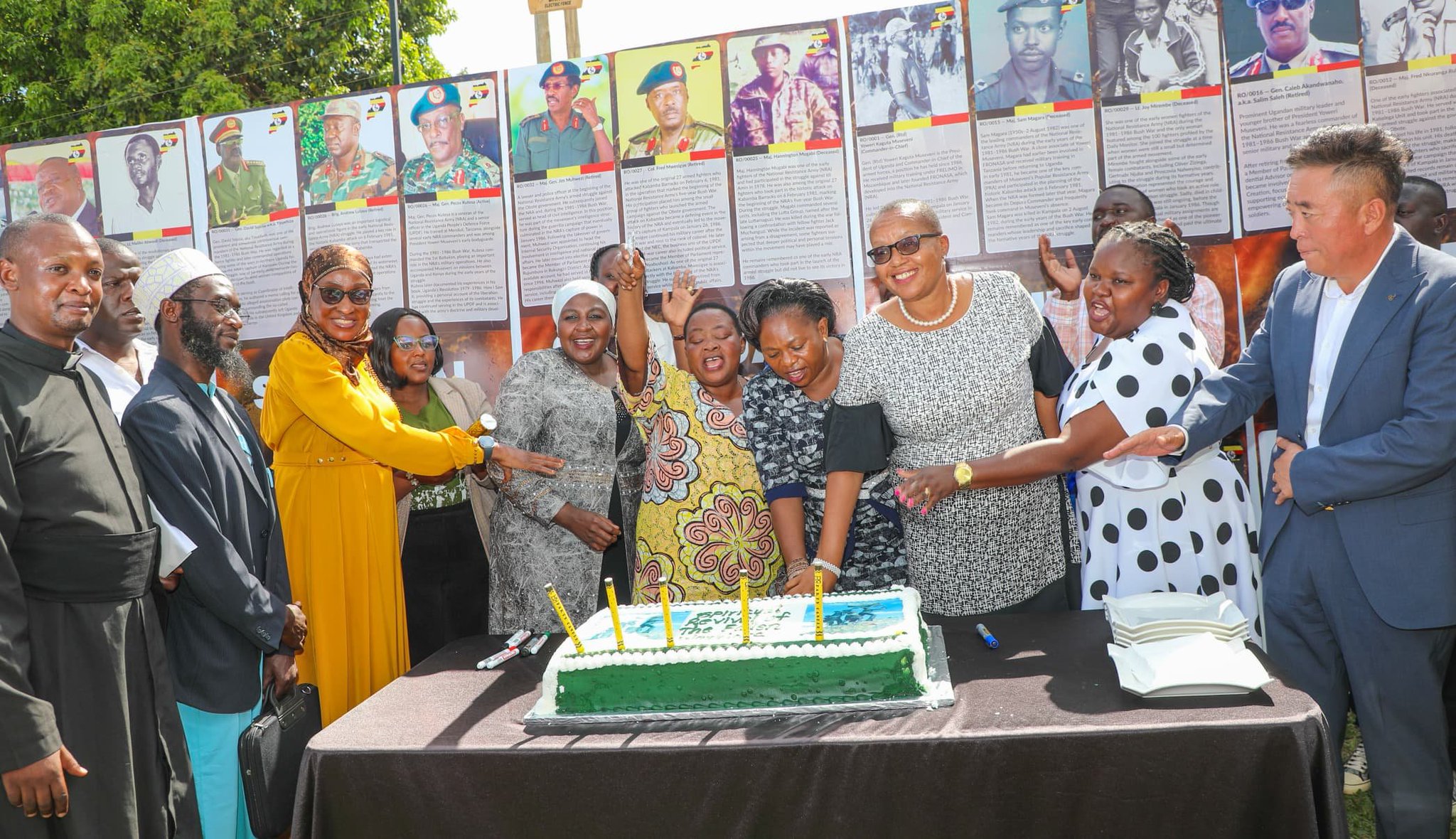
KAMPALA. Minister Lydia Wanyoto Mutende has joined Prime Minister Robinah Nabbanja, religious leaders, liberation veterans and families of fallen fighters at a spiritual revival held at the Office of the National Chairman (ONC) in Kyambogo.
The gathering brought together government representatives and members of the wider community to honour Uganda’s fallen and living warriors and reflect on their contribution to the country’s history.
The spiritual revival provided an opportunity for participants to remember those who lost their lives during Uganda’s liberation struggles, while also recognising surviving veterans and the families left behind.
The event formed part of activities centred on prayer, remembrance and reflection, with religious leaders playing a key role in guiding participants through the spiritual programme.
#Wanyoto joins national remembrance
Minister Wanyoto’s participation placed her among senior government officials attending the gathering alongside Prime Minister Nabbanja.
The presence of the two leaders underscored the government’s participation in activities aimed at recognising the contribution and sacrifices of Uganda’s liberation veterans.
The event also brought together families of fallen warriors, whose participation gave the commemoration a personal dimension.
For many of the families, remembrance of the liberation struggle is closely connected to the loss of relatives who died during periods of political conflict and armed struggle.
The gathering therefore served as a platform to recognise not only the historical contribution of the fighters but also the enduring impact of their sacrifices on their families.
#Religious leaders lead spiritual revival
Religious leaders from different faith backgrounds participated in the gathering, providing prayers and spiritual guidance to those in attendance.
Their involvement reflected the organisers’ emphasis on prayer and spiritual reflection as part of the commemoration.
The gathering encouraged participants to remember the past while reflecting on the responsibilities of present and future generations.
Such events can also provide an opportunity for communities to strengthen relationships and promote messages of peace, forgiveness and national cohesion.
#Veterans and families take centre stage
Liberation veterans were among those recognised during the spiritual revival.
The veterans played different roles during Uganda’s political and armed struggles and remain an important part of the country’s contemporary history.
Their participation alongside relatives of fallen fighters brought together two groups whose experiences are closely connected to the country’s liberation history.
While surviving veterans can share first-hand experiences of the struggles they witnessed, families of those who died continue to preserve the memories and legacies of their relatives.
The gathering offered an opportunity for these experiences to be brought together through prayer and remembrance.
#Preserving the memory of fallen fighters
The commemoration also highlighted the importance of preserving Uganda’s liberation history.
The National Resistance Movement (NRM) came to power in 1986 following a five-year armed struggle.
The period was marked by significant political instability and armed conflict, with many Ugandans losing their lives.
For supporters of the NRM, the liberation struggle remains a central part of the movement’s political history and identity.
Events such as the spiritual revival provide an avenue through which that history can be passed to younger generations.
However, preserving national history also requires continued documentation of different experiences and perspectives surrounding Uganda’s past.
#A message of national unity
The gathering at ONC Kyambogo carried a broader message of unity.
The participation of political leaders, religious figures, veterans and families demonstrated the range of groups connected to Uganda’s liberation history.
The spiritual character of the event also provided an opportunity to emphasise peaceful coexistence and the importance of strengthening social cohesion.
For Uganda, where communities have experienced different forms of political and social conflict over the years, calls for unity remain an important part of national discourse.
#Looking beyond remembrance
Although the focus of the gathering was on fallen and living warriors, the commemoration also offered an opportunity to reflect on the country’s future.
The sacrifices made during previous periods of conflict have continued to influence Uganda’s political and social development.
The responsibility of current generations is therefore not only to remember those who came before them but also to work towards conditions that promote peace, stability and development.
Religious institutions, government agencies and community leaders can play complementary roles in promoting these objectives.
#Role of the ONC
The Office of the National Chairman in Kyambogo is an important centre for activities associated with the NRM leadership and its supporters.
Hosting the spiritual revival at the office brought the commemoration into a setting closely associated with the movement whose history is linked to the liberation struggle.
The involvement of families and veterans added a commemorative dimension to the gathering beyond ordinary political activities.
It also created an opportunity for the experiences of individuals who participated in Uganda’s history to remain part of public discussion.
#The significance for younger generations
One of the broader implications of such commemorations is the opportunity to educate younger Ugandans about the country’s past.
Many young people today were born after the 1980s conflicts and did not personally experience the events that shaped the political transition of 1986.
Listening to veterans and families can help provide a human dimension to historical accounts.
At the same time, historical education benefits from careful documentation and the inclusion of multiple perspectives to ensure that future generations develop a comprehensive understanding of Uganda’s past.
#The continuing role of veterans
Liberation veterans remain an important constituency in Uganda’s political and social landscape.
Their experiences are frequently invoked during national and NRM commemorations, particularly when discussing the sacrifices associated with the struggle that brought the movement to power.
Recognition of surviving veterans can also provide an opportunity to discuss their welfare and the needs of their families.
For families of fallen fighters, public remembrance similarly provides recognition of losses that occurred decades ago but whose effects can remain significant.
#Conclusion
Minister Lydia Wanyoto Mutende’s participation in the spiritual revival at ONC Kyambogo brought her together with Prime Minister Robinah Nabbanja, religious leaders, liberation veterans and families in an event dedicated to remembering Uganda’s fallen and living warriors.
Beyond prayer and remembrance, the gathering highlighted the continuing importance of Uganda’s liberation history and the need to preserve the memories of those who participated in it.
As the country moves forward, such commemorations provide an opportunity to connect historical remembrance with calls for peace, unity and national responsibility.
**Source: