




















By Karim Were
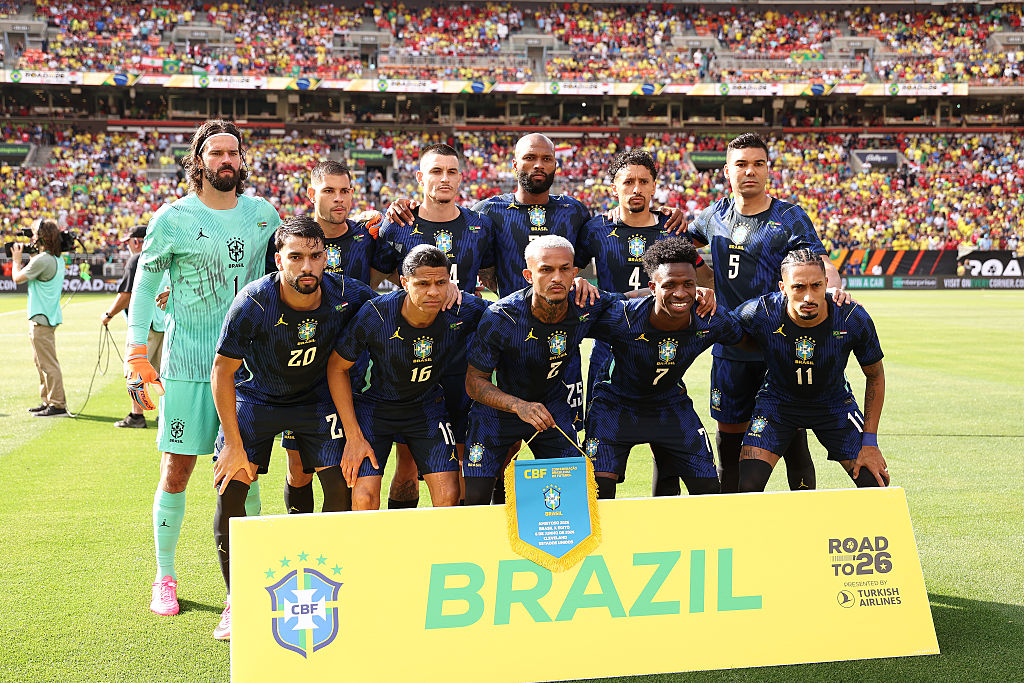
As Brazil prepares for the 2026 FIFA World Cup, its biggest advantage may not come from a dazzling striker or a tactical masterstroke, but from years of player data collected through wearable technology.
Behind the scenes, Brazil’s football federation has built one of the most sophisticated player-monitoring systems in international football. Using GPS-enabled “smart vests” worn by players during club training sessions and matches, sports scientists have tracked everything from sprint speeds and heart rates to fatigue levels and injury recovery.
The strategy gives head coach Carlo Ancelotti unprecedented insight into players spread across leagues and continents. Rather than waiting for international camps to assess fitness and form, Brazil’s coaching staff receives regular performance data directly from clubs, creating a year-round picture of each player’s condition.
The information has become particularly valuable when managing injuries. By monitoring high-speed running and workload metrics, medical staff can carefully assess whether recovering players are ready to return safely to competition. The data also helps coaches decide who should start matches, who may need rest, and which tactical roles best suit individual strengths.
During the World Cup itself, the monitoring continues. With matches often scheduled only days apart, real-time tracking helps staff measure fatigue and recovery, allowing for more informed decisions on squad rotation and substitutions.
Yet Brazil’s sports scientists caution that data alone does not win football matches. One player appeared to be underperforming based on tracking statistics, covering only half the distance of many teammates. But video analysis revealed he was consistently positioning himself perfectly, influencing the game without extensive running.
The lesson is that technology is a tool, not a replacement for football intelligence. Brazil’s challenge is to combine cutting-edge analytics with the instinct, creativity and flair that have defined its footballing identity for generations.
As the tournament approaches, the five-time world champions are betting that smarter decisions, powered by years of data, can help bring a sixth World Cup trophy back to Brazil.