
























By Karim Were
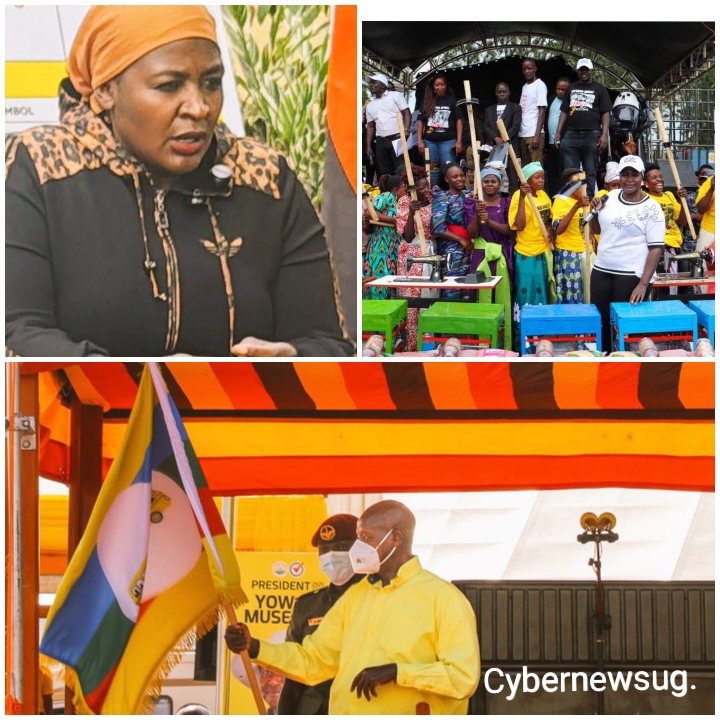
Hadija Namyalo Uzeiye, popularly known as Chief Muzukulu and Hajjat Hadijah Namyalo, has emerged as one of the most influential grassroots figures within Uganda’s ruling political structure. Through the Office of the National Chairman (ONC), she has built a unique model that combines poverty alleviation with mass political mobilization—an approach many observers believe strengthened President Yoweri Museveni’s strong showing in the 2026 elections.
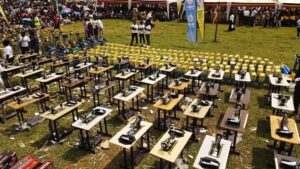
Unlike traditional government poverty programs that rely heavily on bureaucratic systems, Namyalo’s strategy is centered on direct engagement with ordinary citizens. Across different communities, she has distributed sewing machines, salon kits, boda boda support, livestock, and startup tools directly to youth and women groups. Supporters describe this as a practical response to unemployment and economic frustration, especially among urban and peri-urban populations.
Her approach has stood out because of its personal touch. Beneficiaries often interact with her team directly during community events organized under the ONC structure. This visibility has helped create a perception that assistance is reaching people faster compared to conventional state programs, which are frequently criticized for delays, corruption, and limited accessibility.
At the same time, political analysts note that the empowerment campaigns have also become effective mobilization platforms for the ruling National Resistance Movement (NRM). Community outreach activities are regularly accompanied by messages encouraging patriotism, loyalty, and support for the government. Through these engagements, economic assistance is closely linked with political identity.
A major pillar of Namyalo’s influence has been her connection with the youth, commonly referred to as “Bazzukulu.” By positioning herself as a bridge between the presidency and struggling young Ugandans, she has managed to cultivate a loyal support base that sees empowerment not only as economic rescue but also as inclusion within the national political conversation.
Critics, however, argue that the model raises concerns about sustainability and accountability. Because many initiatives are coordinated through personalized networks rather than formal institutions, questions remain about long-term impact, transparency, and whether such interventions strengthen dependence on political figures instead of building independent economic systems.
Still, there is little doubt that Namyalo’s growing visibility has reshaped grassroots political engagement in Uganda. Her blend of direct empowerment, populist outreach, and political messaging reflects a changing strategy in modern Ugandan politics—one where economic support and electoral influence increasingly move together..