

















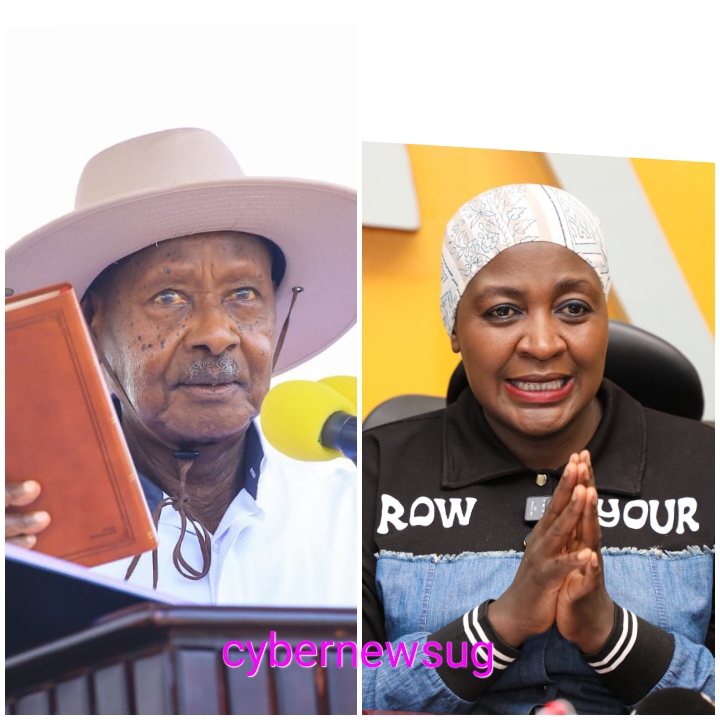
By Karim Were
The swearing-in ceremony of President Yoweri Museveni was not only a display of state power and continental solidarity, but also a deeply symbolic moment for the grassroots political machinery that helped sustain his journey back to office.
Held under the theme, *“Protecting the Gains, Making a Qualitative Leap into High Middle-Income Status,”* the inauguration brought together at least 35 heads of state and government from across Africa and beyond, turning Kampala into a centre of diplomatic attention.
Chief Justice Flavian Zeija administered both the oath of allegiance and the presidential oath as thousands witnessed the transition into a new term. Among the distinguished guests were Hassan Sheikh Mohamud and Salva Kiir Mayardit, who travelled to Uganda for the occasion.
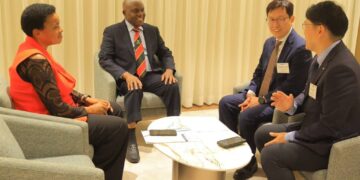
Rwanda was represented by Prime Minister Justin Nsengiyumva on behalf of President Paul Kagame, while former Kenyan President Uhuru Kenyatta also attended the event. The United States delegation included Nicholas Checker, representing President Donald Trump, alongside U.S. Ambassador William W. Popp.
Vice President Jessica Alupo directed the ceremony, while Chief of Defence Forces Muhoozi Kainerugaba accompanied the president during the military parade inspection. The lowering of the Presidential Standard Flag officially closed the 2021–2026 administration before the president took a fresh oath amid loud cheers from supporters.
But beyond the military precision and diplomatic grandeur, the day carried a personal significance for Hajjat Namyalo and the mobilisation networks she built across the country. Surrounded by youth leaders, women groups, and local organisers she had empowered over the years, the inauguration represented the climax of a political mission many once doubted.
What began as a determined grassroots campaign evolved into a national movement that ultimately witnessed President Museveni take oath before an audience that stretched far beyond Uganda’s borders. For Namyalo and her supporters, the ceremony was more than a constitutional event — it was validation of years of mobilisation, loyalty, and political persistence.