























By Karim Were
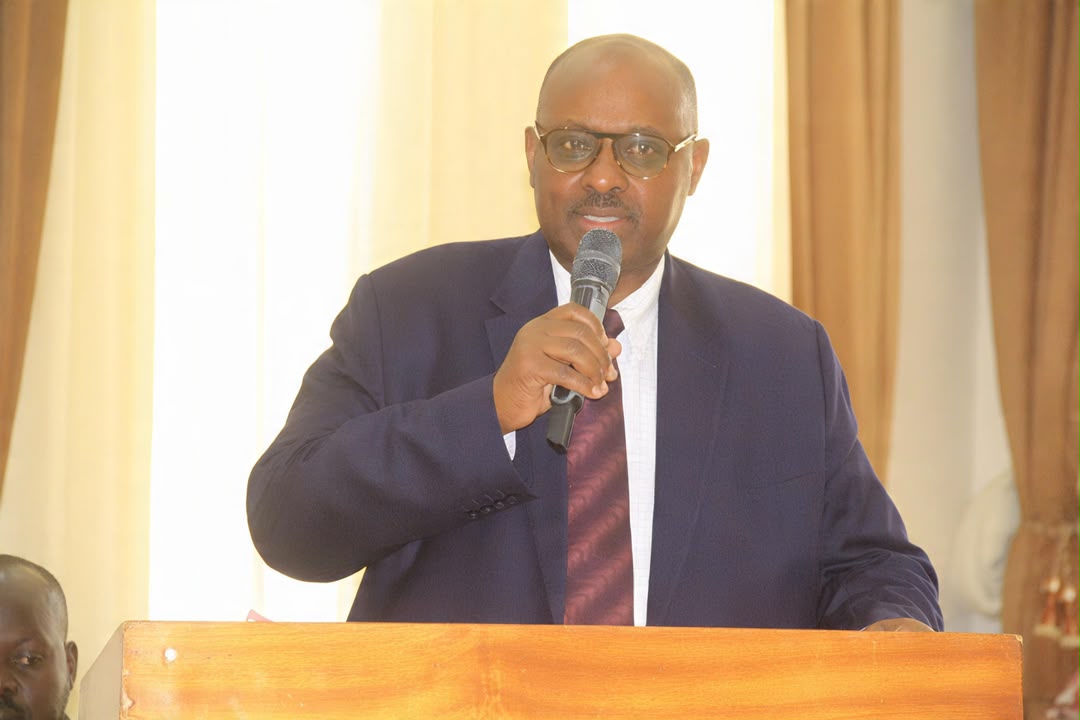
MASAKA —The Permanent Secretary in the Ministry of Local Government, Ben Kumumanya, has urged trainers preparing to induct newly elected local government council leaders to focus on practical governance, accountability and constructive dialogue.

Kumumanya, who has more than three decades of experience working within Uganda’s decentralisation system, made the remarks while addressing a Training of Trainers session in Masaka.
He said his long experience in facilitating decentralisation had enabled him to share practical lessons and approaches drawn from real experiences in local governance.
The training is intended to prepare trainers who will subsequently engage newly elected local government council leaders across the country.
#Trainers urged to make sessions practical
Kumumanya encouraged the trainers to go beyond classroom presentations and ensure that the induction sessions are practical, participatory and relevant to the challenges council leaders are likely to encounter in their communities.
He said trainers would be working with leaders from different backgrounds, with varying levels of experience and understanding of local governance.
This, he said, requires trainers to create an environment where participants can engage in meaningful discussions and share experiences.
The Permanent Secretary urged the trainers to equip council leaders with practical knowledge that can help them perform their responsibilities effectively once they assume office.
#Experience in decentralisation
Kumumanya’s guidance was informed by his long involvement in Uganda’s decentralisation system.
He used examples from his experience working with Local Government Councils to explain how leaders can manage disagreements and build consensus while carrying out their responsibilities.
He emphasised the importance of constructive dialogue in resolving differences within councils.
According to Kumumanya, effective local governance requires leaders to respect majority decisions while also recognising minority views.
He encouraged trainers to emphasise consensus-building as an important component of democratic governance.
#Respect for different views
The Permanent Secretary said council leaders should understand that disagreements are a normal part of democratic institutions and should be managed through dialogue rather than confrontation.
He encouraged trainers to prepare leaders to work together despite differences in opinion.
Respect for majority rule, minority views and consensus, he said, can help councils maintain cohesion and concentrate on service delivery.
The approach is also expected to strengthen cooperation among elected leaders and other stakeholders at the local government level.
#Kumumanya stresses accountability
The Permanent Secretary also directed the trainers to emphasise the Government’s commitment to fighting corruption and promoting accountability in public office.
He referred to Article 164 of the Constitution, which provides for personal responsibility for public officers in cases involving loss or misuse of public resources under the circumstances specified by law.
Kumumanya warned that public officials who misuse public resources or cause financial loss through actions contrary to established rules can be held personally accountable.
He said such accountability can extend beyond a person’s period in office, stressing the importance of council leaders understanding their responsibilities from the beginning of their tenure.
The message, he said, should be clearly communicated during the induction of newly elected leaders.
## **Public resources must be protected**
Kumumanya reminded trainers that elected leaders are entrusted with public resources and must therefore exercise responsibility when making decisions.
He said accountability should be treated as a fundamental part of public service rather than an issue to be considered only after problems arise.
The emphasis on accountability is intended to encourage local government leaders to observe financial regulations and safeguard resources allocated for public programmes and services.
He urged trainers to ensure that newly elected council leaders understand both their responsibilities and the consequences of failing to comply with established laws and procedures.
#Councils urged to support Government programmes
The Permanent Secretary also tasked trainers with encouraging local government councils to support Government programmes designed to improve household incomes and reduce poverty.
Among the programmes he cited were the Parish Development Model (PDM), Emyooga and other socio-economic transformation initiatives.
He said councils have an important role in mobilising communities, providing oversight and ensuring that Government programmes reach their intended beneficiaries.
According to Kumumanya, local leaders should understand that their responsibilities extend beyond council meetings and administrative duties.
They are also expected to help communities understand Government programmes and participate in monitoring their implementation.
#Focus on household incomes
The Government’s socio-economic programmes are intended to support households to increase incomes and participate more actively in the economy.
Kumumanya urged trainers to help council leaders understand how they can contribute to these efforts at the local level.
He said leaders should work with communities to ensure that programmes such as PDM and Emyooga translate into tangible benefits for citizens.
Effective oversight, he added, can help councils identify challenges affecting programme implementation and ensure that resources are used for their intended purposes.
#Role of local leaders in service delivery
Local government councils play an important role in Uganda’s decentralised governance system.
They provide a link between citizens and Government and participate in planning, oversight and the delivery of public services at local level.
Kumumanya therefore urged trainers to prepare council leaders to work constructively with other local government officials and stakeholders.
He said leaders should understand their respective roles and avoid conflicts that could undermine service delivery.
Effective cooperation, he added, is essential if councils are to respond to the needs of the communities they represent.
#Trainers urged to become Government ambassadors
In his closing remarks, Kumumanya described the trainers as important ambassadors of Government.
He tasked them with ensuring that the messages delivered during the Training of Trainers are effectively passed on to newly elected council leaders when they begin field induction.
The trainers are expected to communicate Government’s expectations on accountability, democratic governance, service delivery and socio-economic transformation.
They will also be required to help council leaders understand how to work together and respect each other’s institutional responsibilities.
#Strengthening decentralisation
The Training of Trainers comes as Uganda continues to rely on its decentralised governance system to deliver services and implement Government programmes at local level.
The effectiveness of decentralisation depends partly on the capacity of elected leaders and public officials to understand their roles and work within established legal and administrative frameworks.
Training and induction can therefore help newly elected leaders understand the responsibilities attached to their positions.
By equipping trainers with practical knowledge before they reach the field, the Ministry of Local Government seeks to ensure that the induction of council leaders addresses both the theory and practical realities of local governance.
#Conclusion
Kumumanya’s message to the trainers centred on the need for practical leadership, accountability and cooperation within local government councils.
Drawing on more than 30 years of experience in decentralisation, he urged trainers to prepare newly elected leaders to manage disagreements constructively, respect different views and build consensus.
He also stressed the importance of protecting public resources and supporting Government programmes aimed at improving household incomes.
As the trainers move to the field, their ability to translate these messages into practical guidance will be important in helping newly elected councils understand their responsibilities and contribute to effective service delivery.