














ByKarim Were 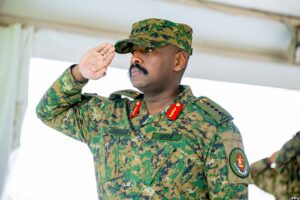
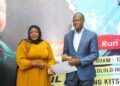
What appeared on the surface as a celebratory fitness event in Kampala carried deeper undertones about Uganda’s social and healthcare realities. At the Kololo Independence Grounds, hundreds gathered for the 52nd birthday run of Chief of Defence Forces Muhoozi Kainerugaba, under the theme “Run For Hope.” But beyond the energy of the crowd and ceremonial presence of dignitaries, the event subtly reflected the growing intersection of influence, public messaging, and national challenges.
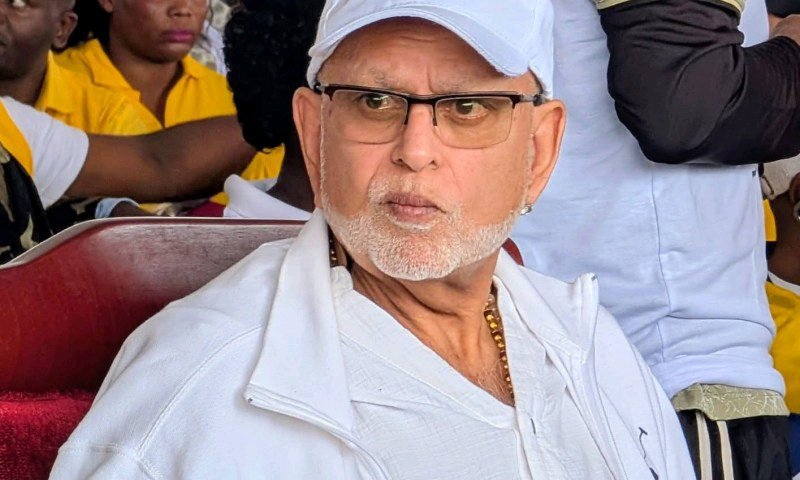
The run drew a cross-section of Uganda’s elite, including business magnate Sudhir Ruparelia, signaling how corporate figures are increasingly aligning themselves with high-visibility public initiatives. Political and security leaders also featured prominently, with Deputy Speaker Thomas Tayebwa representing Muhoozi as chief guest. Other notable figures included Henry Okello Oryem and former police chief Kale Kayihura, underscoring the event’s strong establishment backing.
Yet, the theme “Run For Hope” resonated far beyond symbolism. Uganda’s healthcare system continues to face significant strain, with limited medical personnel, persistent maternal mortality, and chronic shortages of essential supplies in public hospitals. Against this backdrop, the event can be viewed not just as a birthday celebration, but as a subtle acknowledgment of systemic gaps that require attention.
The presence of influential figures—especially from the private sector—suggests a shift toward blending civic engagement with public visibility. For business leaders like Ruparelia, participation in such causes reflects both social responsibility and strategic alignment with national narratives.
As runners filled Kololo in branded kits and spirited participation, the gathering became more than a marathon. It evolved into a platform where fitness, influence, and public discourse converged—illustrating how modern Ugandan events increasingly serve as stages for both unity and unspoken critique.