
















By Karim Were
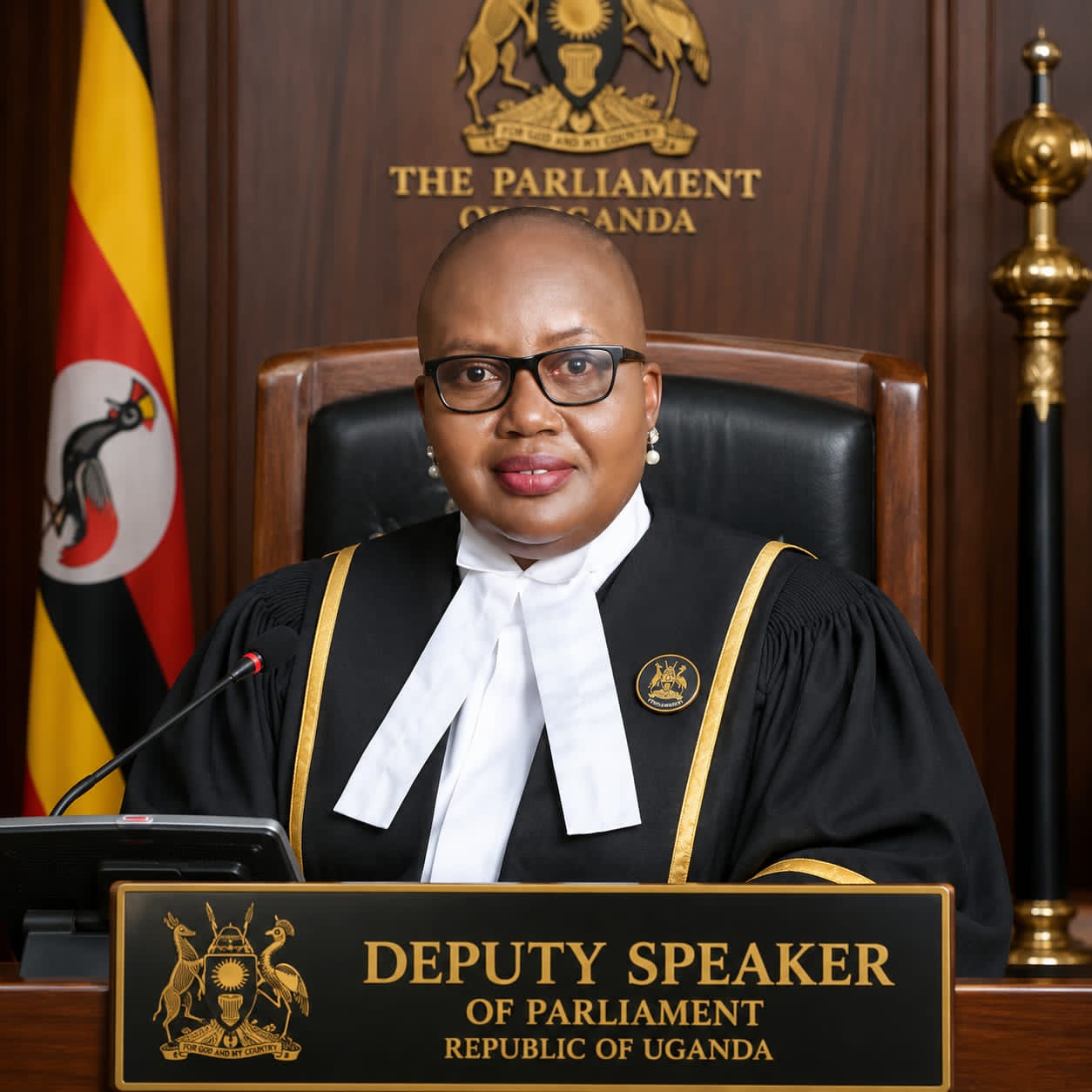
Uganda’s 12th Parliament is expected to shape the country’s political and legislative direction over the next five years. As the ruling NRM positions itself for that task, attention is increasingly turning to who should occupy the office of Deputy Speaker — a role considered critical in steering parliamentary business and safeguarding the government’s agenda.
Among party supporters and grassroots mobilisers, one name continues to dominate the conversation: Lydia Wanyoto.
For many within the Movement, Wanyoto represents stability, institutional memory, and unwavering commitment to the NRM’s ideology. Her long journey through party structures — from mobilisation work to leadership within the NRM Women’s League — has earned her credibility among cadres who believe the next Deputy Speaker must fully understand the Movement’s historical mission and political direction.
Supporters argue that the office requires more than parliamentary experience. They say it demands a leader capable of balancing debate, maintaining order in the House, and ensuring government business moves efficiently. In their view, Wanyoto’s years within the party make her well suited for that responsibility.
Her potential elevation is also being framed as a continuation of Uganda’s progress in promoting women into positions of influence. Backers point to her work with women’s groups and community structures across the country as evidence of both political experience and grassroots connection. To them, her appointment would not simply fulfil gender representation goals, but reward long-standing service and loyalty within the party.
Others within the NRM believe Wanyoto could help strengthen the relationship between Parliament and ordinary citizens. Her supporters say she understands how flagship government programmes such as PDM, Emyooga, and industrialisation initiatives affect communities at village level — something they consider essential for effective oversight and legislation.
At a time when internal divisions and independent candidates continue to test party cohesion after elections, some cadres also see Wanyoto as a dependable figure capable of protecting the Movement’s unity in Parliament. They argue that her record reflects consistency, discipline, and loyalty even during politically difficult moments.
For her supporters, the debate over the Deputy Speakership is ultimately about continuity and control of the government agenda. And in that discussion, Lydia Wanyoto is increasingly being presented not just as a contender, but as a trusted steward for the NRM’s next parliamentary chapter.