

























By Karim Were
Uganda’s labour debate is increasingly split between structural reforms and a more fundamental question raised by Yoweri Museveni: are jobs truly scarce, or are opportunities simply being overlooked?
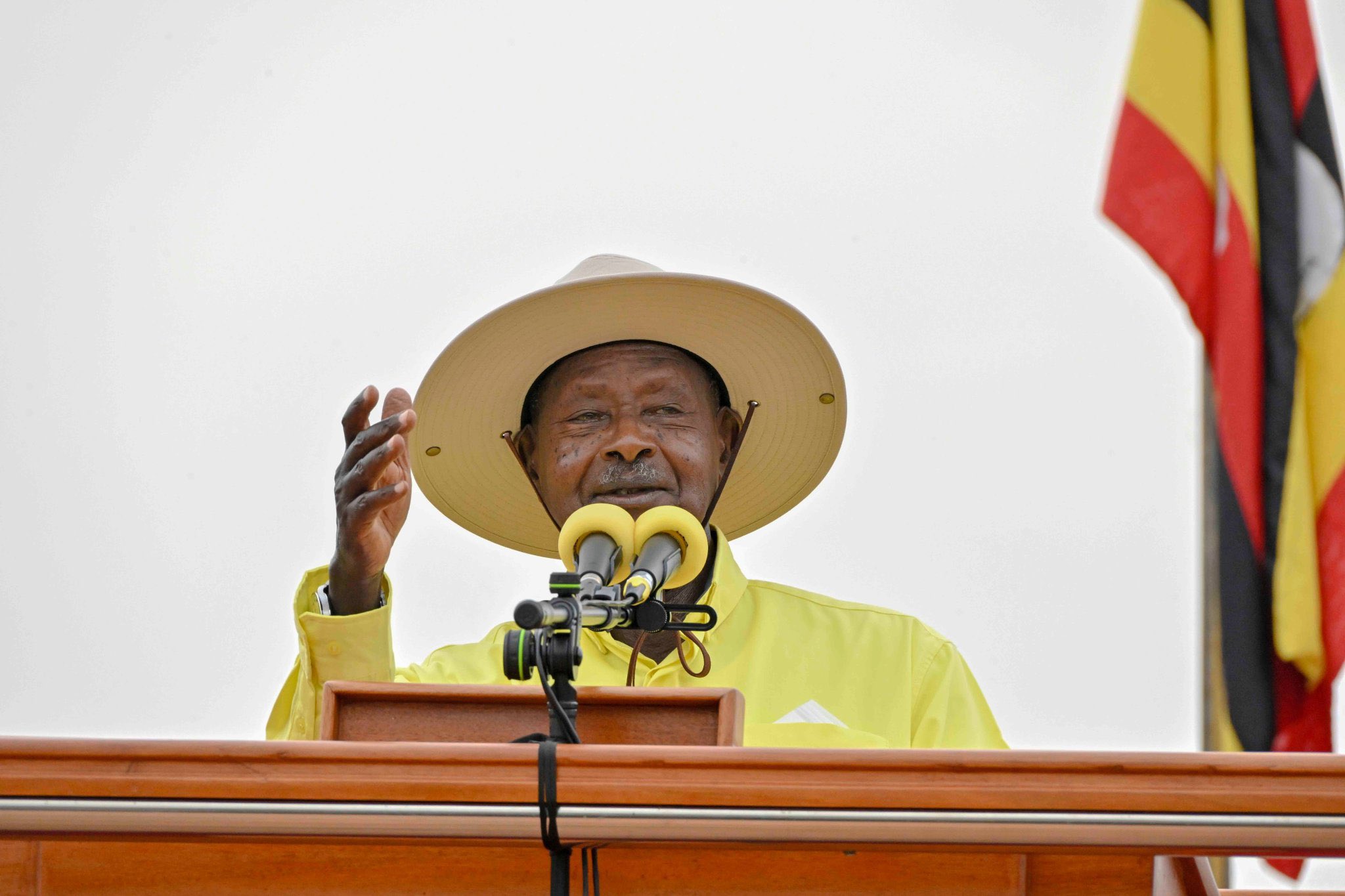
Speaking at International Labour Day celebrations in Buikwe District, the President framed unemployment less as a systemic failure and more as a productivity issue. He argued that millions of acres of idle arable land represent missed economic potential, suggesting that agriculture—if fully utilised—could absorb far more workers than the current labour market does.
This perspective shifts the conversation away from job creation in the traditional sense and toward individual and community-level initiative. According to Museveni, the real barrier is not limited vacancies but limited engagement with sectors like farming and value addition, which he believes remain underexploited.
At the same time, the government is pushing forward with legal reforms intended to modernise labour protections. The recently enacted Employment (Amendment) Act, 2025 introduces safeguards for vulnerable workers, including domestic employees and migrant labourers, and expands protections around workplace harassment, contracts, and employee welfare.
Yet, the reforms have exposed a deeper tension. While they strengthen rights on paper, they stop short of introducing a national minimum wage—an omission that continues to draw criticism from labour advocates. For many analysts, this raises doubts about whether improved legal frameworks alone can meaningfully raise living standards, particularly in Uganda’s large informal sector.
Museveni’s stance also extends to how Ugandans approach business and education. He criticised poor enterprise planning and warned against dependence on high-interest commercial loans, instead promoting state-backed financing through development institutions. He also pointed to a mismatch between academic training and market demand, signalling possible future reforms in education policy.
Beyond employment, the President questioned national investment priorities, urging institutions like the social security fund to pursue higher-return projects such as infrastructure, which he argues could stimulate broader economic growth.
As Uganda reflects on Labour Day, two competing narratives are emerging: one that emphasises untapped opportunity and personal initiative, and another that calls for stronger structural guarantees like wage protections. The path the country chooses may determine whether current reforms translate into tangible improvements in workers’ livelihoods.