

























By Karim Were
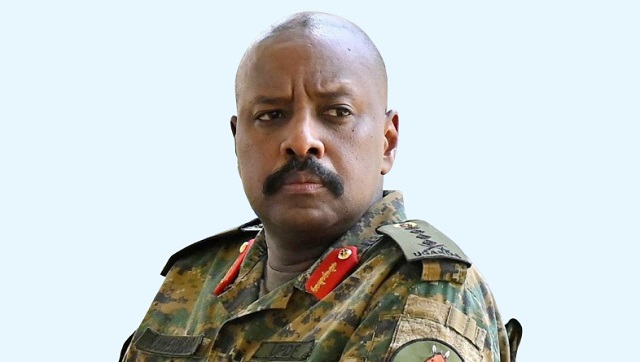
Uganda has once again found itself at the center of a national conversation on corruption after Muhoozi Kainerugaba delivered a strong warning against the misuse of public resources by powerful individuals. His remarks, which criticized people who allegedly steal from the country because of their political or social connections, have generated widespread reactions among citizens eager to see meaningful change.
Rather than focusing only on condemning corruption, Gen Muhoozi presented his message as a call for national renewal. He argued that corruption has denied Uganda the progress it deserves, weakening key sectors such as healthcare, education, infrastructure, and employment. According to his remarks, billions meant for public services have instead benefited a small group of well-connected individuals, leaving ordinary citizens to struggle with poor living conditions and limited opportunities.
The statement has especially resonated with young Ugandans, many of whom see corruption as one of the biggest barriers to economic growth and job creation. For years, youth across the country have expressed frustration over unemployment, rising living costs, and unequal access to opportunities. Gen Muhoozi’s comments appeared to acknowledge these concerns directly, giving some citizens hope that leaders may finally begin addressing issues that have affected communities for decades.
At the same time, his remarks have reignited discussion about accountability and the culture of impunity in Uganda. Critics of the political system have long argued that influential figures often avoid punishment despite allegations of corruption and abuse of office. By openly challenging the idea that “connected” individuals are untouchable, Gen Muhoozi positioned himself as someone willing to confront a system many believe has protected wrongdoing for too long.
However, analysts and members of the public have also cautioned that speeches alone cannot solve corruption. Uganda has witnessed similar promises in the past, yet corruption scandals have continued to emerge across different sectors. Many citizens now say the true test will depend on whether strong words are followed by concrete action, including transparent investigations, institutional reforms, and equal application of the law regardless of status or influence.
Even with the skepticism, the remarks have succeeded in sparking renewed national reflection about leadership and the future direction of the country. For supporters, the message represents a sign that influential voices are beginning to recognize the frustrations of ordinary Ugandans. For others, it raises important questions about whether Uganda is entering a new phase in the fight against corruption or simply hearing another powerful political statement.
As public debate continues, many citizens remain hopeful that the conversation could eventually lead to meaningful reforms capable of rebuilding trust, improving public services, and creating a fairer society for future generations.