















By Karim Were
As Uganda’s political class braces for the formation of the 12th Parliament, the detention of political activist Justine Nameere has exposed widening cracks within the ruling National Resistance Movement (NRM) and intensified speculation over an internal power realignment.
The controversy erupted after Nameere publicly clashed with Patriotic League of Uganda (PLU) Secretary General David Kabanda over the future leadership of Parliament. Kabanda had declared that support for Speaker Anita Among and Deputy Speaker Thomas Tayebwa had been withdrawn, insisting that political actors should instead rally behind whoever President Yoweri Museveni chooses to lead the next Parliament.
Nameere, who has branded herself part of the “NRM new stock,” fiercely rejected Kabanda’s position, accusing him of betrayal and incompetence. The bitter exchange quickly escalated, with Kabanda warning that she would face political consequences and could lose her parliamentary ambitions.
Hours later, Nameere was reportedly picked up by unidentified operatives shortly after attending celebrations in Masaka, triggering concern among her supporters and allies.
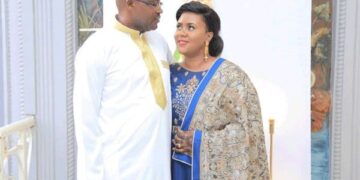
The situation took an even more dramatic turn when her husband, Nsubuga alias Papito, publicly distanced himself from the NRM. Speaking to journalists, he admitted he had only associated with ruling party figures for personal convenience and protection, while privately sympathising with opposition politics. His remarks stunned many observers, further fuelling debate about loyalty, fear, and opportunism within Uganda’s political circles.
Papito also accused Chief of Defence Forces Gen Muhoozi Kainerugaba of orchestrating what he termed an “abduction,” demanding Nameere’s immediate release.
Political analysts now view the incident as part of a broader struggle for influence ahead of key parliamentary appointments. Reports that large sums of money were allegedly recovered from Nameere’s Kampala residence — funds believed to be linked to campaigns for the speakership — have only intensified scrutiny surrounding the unfolding succession battles inside the ruling establishment.
Meanwhile, Deputy Speaker Thomas Tayebwa appears to have softened his position, publicly signalling readiness to serve in any role assigned by President Museveni. This has strengthened perceptions that the President and Gen Muhoozi are tightening their grip on the direction of Parliament and the wider NRM structure.
The unfolding drama also comes at a time when Museveni has renewed his public criticism of corruption in Parliament, while Gen Muhoozi has increasingly positioned himself as a forceful anti-corruption voice within both military and political spaces.
Nameere’s detention, combined with her husband’s startling admissions, has now become more than a personal controversy — it has evolved into a symbol of the growing tensions between emerging political actors, entrenched party networks, and the battle for influence in Uganda’s n
ext political chapter.