










By Karim Were
Justice and Constitutional Affairs Minister Norbert Mao has framed his bid for Speaker of Uganda’s 12th Parliament as a battle to restore parliamentary independence and strengthen oversight of the executive, signaling a rare ideological contest in a race often dominated by ruling party arithmetic.
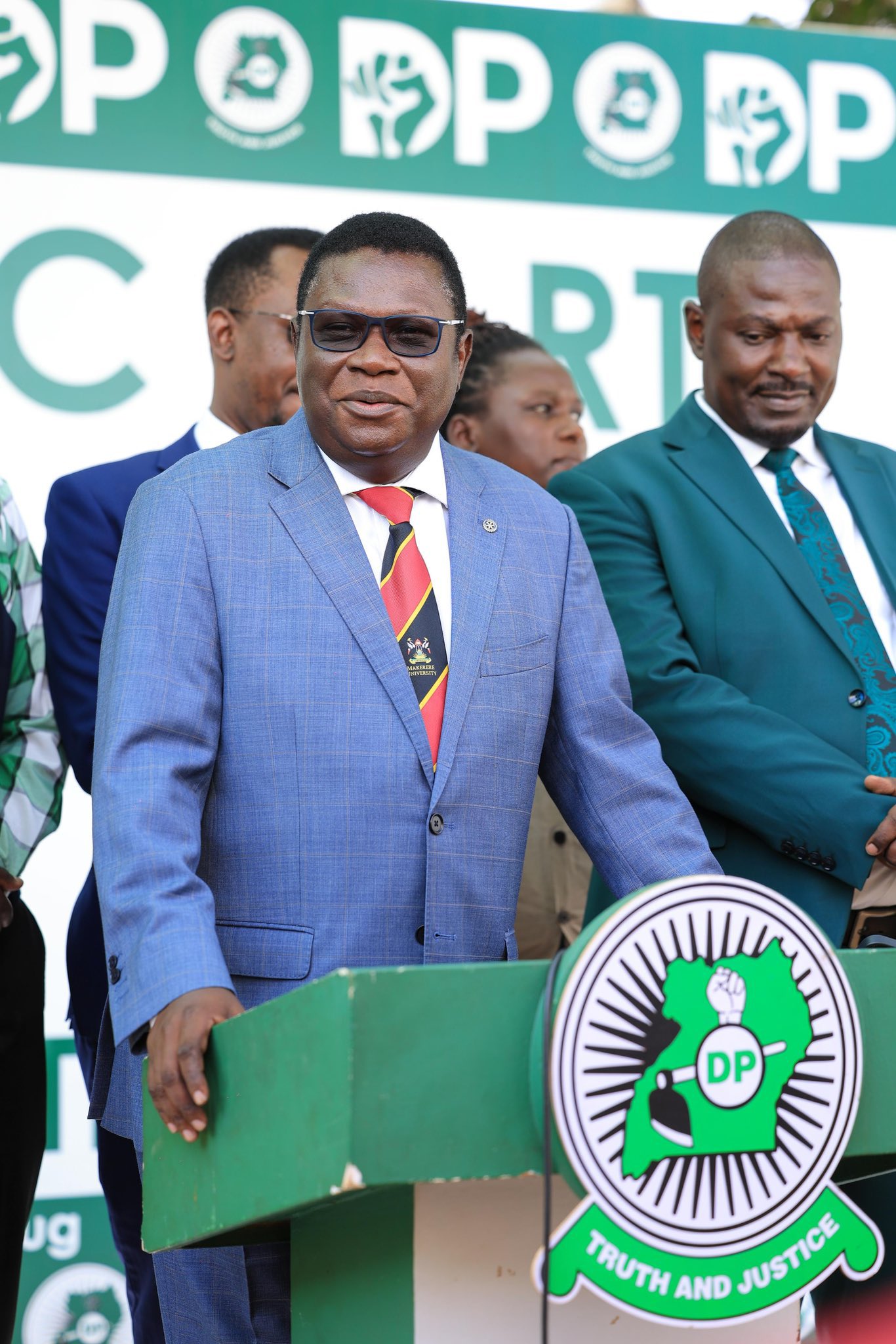
Speaking at the Democratic Party headquarters in February, Mao confirmed that he will challenge incumbent Speaker Anita Among for the top parliamentary seat after completing consultations with MPs-elect, opposition leaders, and President Yoweri Museveni.
Rather than positioning himself as an opposition figure taking on the NRM establishment, Mao argued that the Speakership should rise above party loyalties and serve the institution of Parliament itself.
“The Speaker belongs to Parliament, not to a party,” Mao said, stressing that Uganda needs a legislature capable of independently checking abuse of power and tackling corruption.
His message shifts the focus of the race away from party numbers and toward constitutional accountability at a time when concerns over corruption and executive dominance continue to dominate public debate.
Mao said the next Parliament will face defining national challenges and warned that Uganda risks weakening democratic oversight if Parliament fails to assert its authority.
“The next five years are critical for the motherland,” he said. “Ugandans are not yet in a very good position to check abuse of power.”
The Democratic Party president returns to Parliament after a two-decade absence, having previously served as Gulu Municipality MP between 1996 and 2006. His supporters describe him as an experienced legislator with a reputation for sharp debate and anti-corruption advocacy.
His candidacy also introduces an unusual cross-party dynamic into the Speakership contest. Although the ruling NRM has already endorsed Anita Among for continuity, Mao insists the election should remain open and competitive, arguing that any elected MP qualifies to seek the office.
He compared the race to a papal conclave where eligibility is determined by office rather than political endorsement.
Mao joins other declared contenders including Lydia Wanyoto and Persis Namuganza, setting the stage for what analysts expect to be one of the most closely watched leadership battles of the new Parliament.
Despite directly challenging the NRM-backed candidate, Mao dismissed suggestions that his bid could damage his working relationship with the ruling party, noting that he consulted NRM leadership before publicly announcing his intentions.
For Mao, the race is ultimately about legacy and institutional reform rather than political confrontation.
“I’m not a new person in the politics of Uganda,” he said. “Everything about me, the good, the bad and the ugly, is out there in the public view.”