














By Karim Were
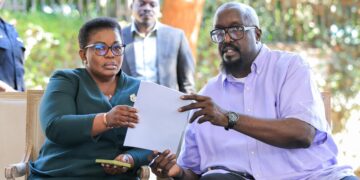
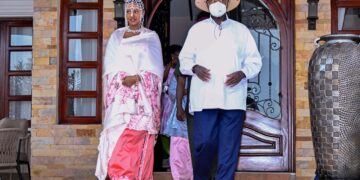
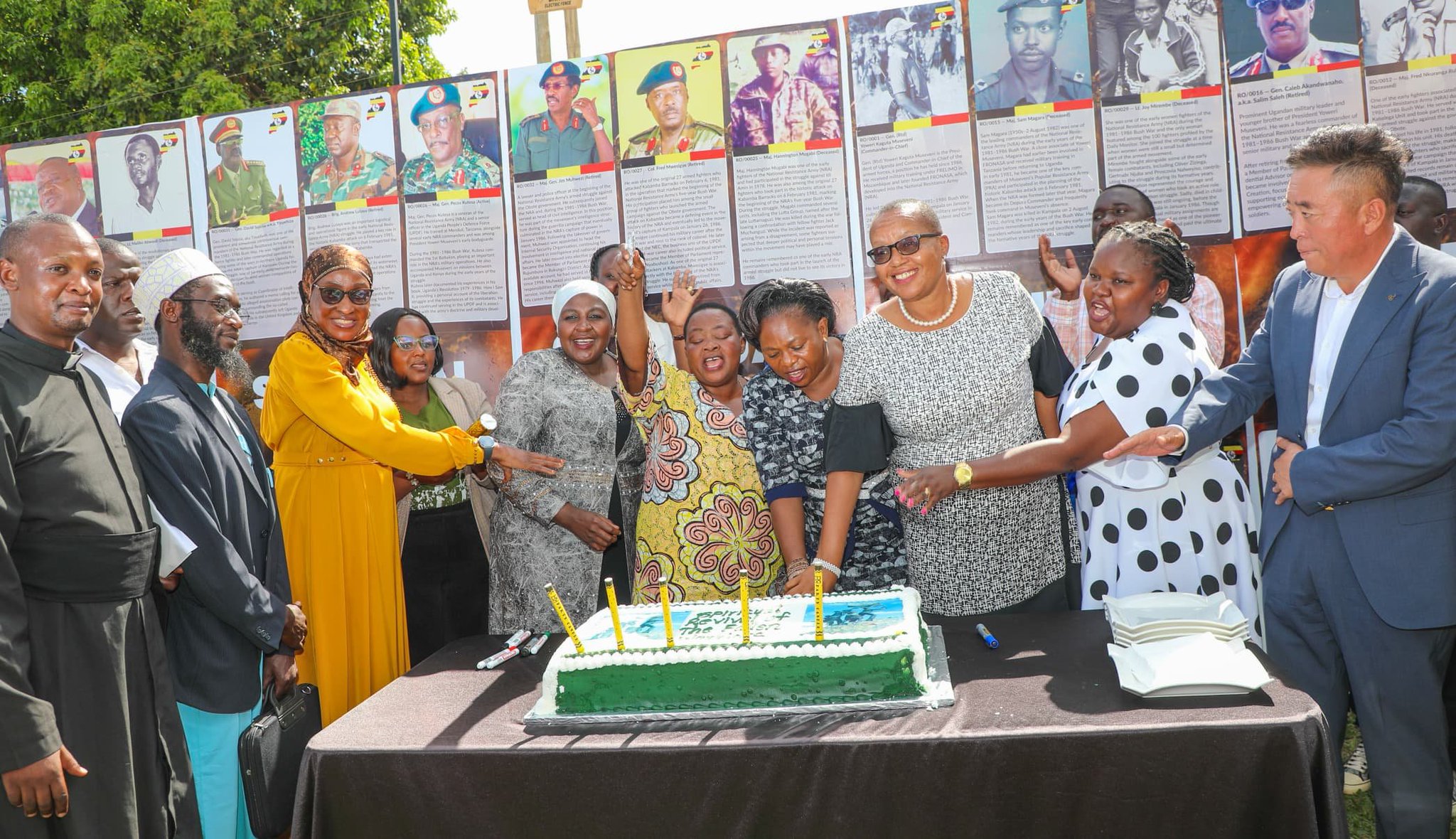
KAMPALA. Land Minister- Harriet Ntabazi has joined Prime Minister Robinah Nabbanja, religious leaders, liberation veterans and families of fallen fighters at a spiritual revival held at the Office of the National Chairman (ONC) in Kyambogo.
The gathering was organised as part of efforts to honour Uganda’s fallen and living warriors while encouraging reflection, prayer and unity among citizens.
The event brought together people from different backgrounds to remember individuals who participated in the country’s liberation struggle and those who continue to contribute to Uganda’s development.
The spiritual revival also provided an opportunity for religious leaders and political figures to reflect on the sacrifices made during Uganda’s turbulent political history and the importance of preserving the memory of those who lost their lives.
#Honouring the fallen
The participation of Minister Ntabazi and Prime Minister Nabbanja placed senior government officials among the participants paying tribute to Uganda’s liberation veterans and their families.
The event was held at a time when the country continues to commemorate the contribution of individuals who participated in the struggle that eventually brought the National Resistance Movement (NRM) to power in 1986.
The organisers used the spiritual gathering to emphasise remembrance, prayer and national unity.
Families of fallen warriors were also present, providing an opportunity for the country to recognise the personal sacrifices made by relatives whose loved ones died during the liberation struggle.
For many families, the legacy of the fallen is closely linked to memories of a difficult period in Uganda’s history, when political instability and armed conflict affected communities across the country.
The gathering therefore served both a spiritual and historical purpose, bringing together people to reflect on the past while considering the responsibilities of the present generation.
#Religious leaders lead prayers
Religious leaders from different faith traditions participated in the spiritual revival, reinforcing the message that remembrance and national reflection can bring together Ugandans across religious and social lines.
Their participation also highlighted the role of faith institutions in promoting reconciliation, unity and peaceful coexistence.
The organisers called for prayers for the country and its people, while remembering those who sacrificed their lives during the liberation struggle.
Spiritual gatherings of this nature provide an avenue for families and communities to remember their relatives and loved ones in an environment centred on prayer and reflection.
They can also help preserve historical memory, particularly for younger generations who did not personally experience the conflicts and political changes that shaped modern Uganda.
#Veterans and families remembered
Liberation veterans formed an important part of the gathering.
The veterans represent people who participated in the struggle and survived to witness subsequent political and social developments in the country.
Their presence alongside families of fallen fighters highlighted the different experiences associated with Uganda’s liberation history.
While some veterans survived to tell their stories, others died during the struggle, leaving behind families whose lives were permanently affected by their loss.
The spiritual revival provided a platform for these groups to come together and recognise the shared history surrounding the liberation struggle.
It also underscored the importance of documenting and preserving the experiences of veterans before they are lost with time.
#A message of unity
The gathering also carried a broader message about national unity.
By bringing together government representatives, religious leaders, veterans and families, the event sought to emphasise the need for Ugandans to reflect on their common history despite differences in political, religious or social views.
The organisers’ focus on spiritual revival placed prayer at the centre of the commemoration, while the participation of people from different sections of society gave the event a wider national dimension.
The message is particularly relevant as Uganda continues to face challenges involving economic development, employment, public services and social cohesion.
Remembering the sacrifices of previous generations can also prompt discussions about the responsibilities of current leaders and citizens in shaping the country’s future.
#The role of the ONC
The Office of the National Chairman in Kyambogo has increasingly been used by NRM structures for political mobilisation, public engagements and activities involving supporters and communities.
The spiritual revival adds a commemorative and religious dimension to the activities associated with the office.
The gathering also demonstrates how historical remembrance can be incorporated into contemporary public life, particularly through events involving people who participated in or were directly affected by Uganda’s political history.
However, the significance of such events also depends on the preservation of historical records and ensuring that different perspectives on the country’s past are documented.
#Preserving Uganda’s liberation history
Uganda’s liberation history remains an important part of the country’s political narrative.
The NRM came to power in January 1986 after a five-year armed struggle against the government of President Milton Obote and the subsequent military government led by Gen Tito Okello.
The conflict resulted in significant loss of life and displacement, particularly in central Uganda and other areas affected by fighting.
The history of the period has since been remembered through national commemorations, veterans’ activities and political events.
For families of those who died, however, the history is also personal.
The loss of a parent, spouse, sibling or child during conflict often leaves long-term social and economic consequences.
Events that bring families together with surviving veterans can therefore serve as opportunities to recognise those experiences.
#Balancing remembrance with the future
The spiritual revival was not only about looking back.
The participation of government leaders also linked remembrance to the continuing responsibility of building a peaceful and prosperous Uganda.
For the younger generation, understanding the sacrifices associated with the country’s history can provide context for the political and social environment in which they live today.
At the same time, historical remembrance requires careful handling to ensure that different experiences and perspectives are not overlooked.
National unity is strengthened when citizens are able to acknowledge the country’s difficult past while working towards a shared future.
#Broader significance
The presence of Prime Minister Nabbanja, Minister Ntabazi, religious leaders, veterans and families at the Kyambogo gathering demonstrated the broad range of stakeholders involved in the commemoration.
It also highlighted the continuing importance attached to the contribution of liberation veterans within NRM circles.
For the families of fallen warriors, recognition remains an important part of preserving the memory of their relatives.
For surviving veterans, such gatherings provide an opportunity to reconnect with colleagues and share experiences with younger generations.
For religious leaders, the event provides a platform to encourage prayer, reconciliation and peaceful coexistence.
#Conclusion
The spiritual revival at ONC Kyambogo brought together government leaders, religious figures, liberation veterans and families in a collective remembrance of Uganda’s fallen and living warriors.
Beyond the prayers and tributes, the gathering highlighted the importance of preserving the country’s history and recognising the sacrifices made by individuals and families during periods of political conflict.
As Uganda continues to navigate its social and economic challenges, the organisers’ emphasis on remembrance and unity places responsibility on current and future generations to learn from the past while working towards a more peaceful and cohesive society.
**Source: