
























By Karim Were | Cybernewsug
With 148 clans under one cultural institution, Banyole elders say clan system remains strongest pillar of identity, justice and development*
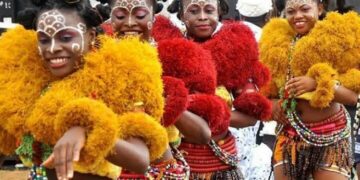
The Banyole, one of Uganda’s culturally resilient communities in Eastern Uganda, are reasserting the strength of their clan system as the cornerstone of unity, social order and development.
Predominantly found in Butaleja District in the former Bunyole County of Tororo, the Banyole — also known as Abalya Lwooba (mushroom eaters) — have maintained a distinct identity despite close cultural ties with their neighbours, the Bagwere, Basoga, Jopadhola and Bagisu.
Unlike centralised kingdoms such as Buganda or Bunyoro, Banyole society is not built around a hereditary king. Its strength lies in its clans.
148 Clans, One People
According to the Banyole Cultural Institution, the tribe has *148 recognised clans*, each headed by an _Omutuusa_ — a clan leader who often dons animal skins as a symbol of authority.
Cultural officials say every clan leader is mandated to preserve oral history, regulate marriage, oversee inheritance, preside over cultural ceremonies and resolve conflicts.
There is no royal clan in Bunyole with central authority over the others like it happens in Buganda or Bunyoro. Our strength is that every clan is respected equally,” Mr John Higenyi, chairperson of the Banyole cultural electoral commission, has previously told Daily Monitor.
The tribe has a population of about *300,000 people, according to the 2014 Uganda Bureau of Statistics census, with a significant population in the diaspora.
And now the population is from 530000 to 776000+
*Pillars of Strength
Elders interviewed say the strength of the Banyole — locally referred to as _Bangholya_ in Lunyole dialect — is visible in four key areas:
*Social Regulation:* No Banyole is allowed to marry from his or her own clan. The clan system strictly regulates marriage, family identity and bloodline, preventing inbreeding and strengthening inter-clan alliances.
*Dispute Resolution:* Before matters reach formal courts, the Omutuusa council presides over land wrangles, domestic conflicts and inheritance disputes. Respect for elders remains a defining value.
*Cultural Preservation:* From birth rituals where the placenta is buried in secret to protect the newborn, to the four-day mourning for women and three days for men, and the _Kasanja_ cleansing ceremony at road junctions, clans are custodians of tradition.
*4. Unity in Diversity:* Despite being a minority group, the Banyole have resisted assimilation. They have preserved Lunyole, a Bantu language closely related to Lugwere and Lusoga, which is now spoken in homes, schools, churches and on local radio stations.
In 2019, the clans for the first time elected a joint cultural leader (Sehulu) — Prof. Elly Wesana Chomi — to unite Banyole in Uganda and abroad for economic development, an exercise that required all 148 clan leaders to vote under heavy police deployment.
“The cultural leader will be instrumental in uniting the community for economic development,” Mr Higenyi said then.
Today, cultural leaders say rice farming, which has replaced finger millet as the main cash crop in the fertile plains of Butaleja, has been organised through clan cooperatives, further cementing economic strength.
“The clan is our government, our court and our bank. When one clan is attacked, all Banyole feel attacked. That is how strong we are,” said an elder from the Higenyi clan in Butaleja Town.
#The name Bangholya is the traditional pronunciation of Banyole among elders in Butaleja and Budumba..
Source: