

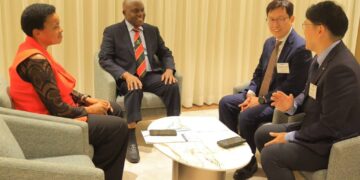












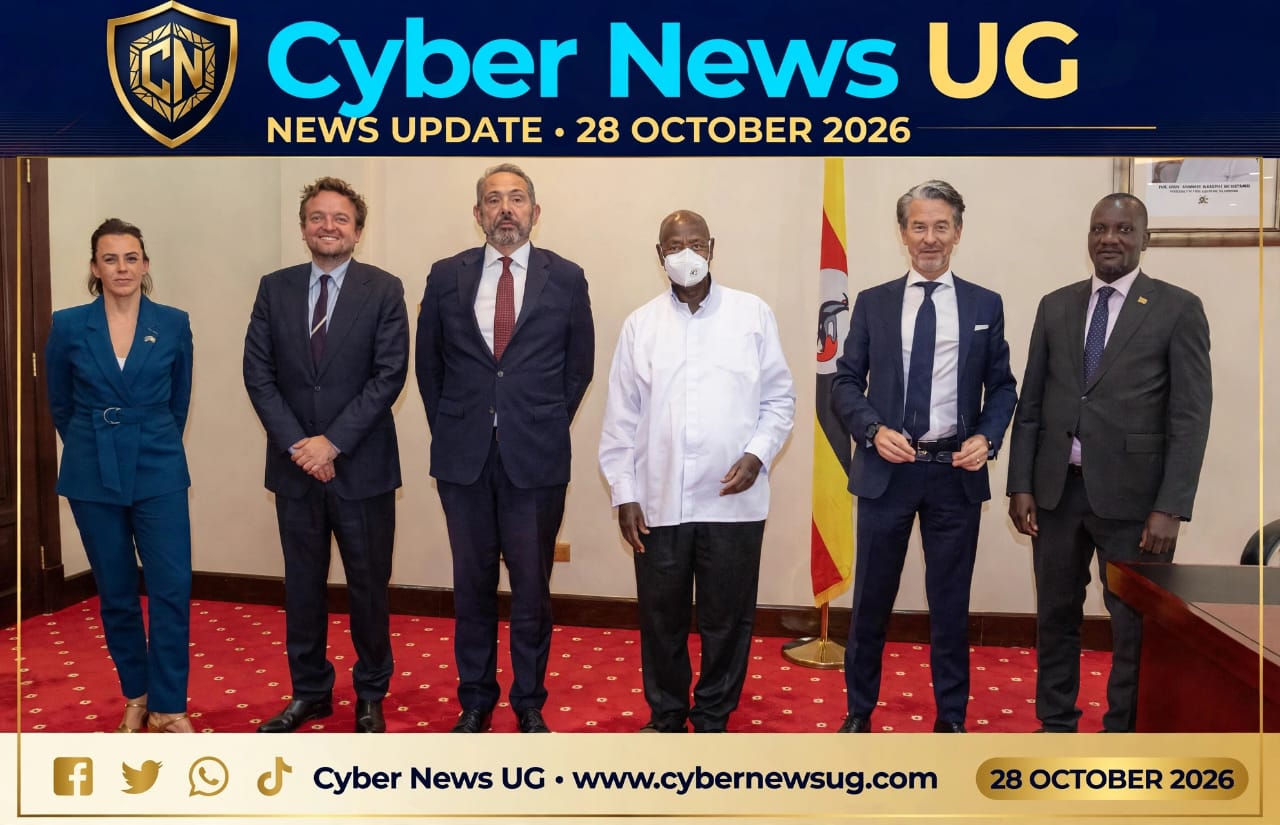
President Yoweri Museveni and European Union Special Representative Johan Borgstam have discussed the conflict in the Democratic Republic of Congo, with dialogue among the parties identified as a key pathway towards lasting peace in the troubled eastern region.
Ugandan President Yoweri Kaguta Museveni has met Johan Borgstam, the European Union Special Representative for the Great Lakes Region, for discussions on the security situation in the Democratic Republic of Congo (DR Congo) and the need for dialogue to achieve lasting peace in the country’s conflict-affected east.
In a statement about the meeting, Museveni said the two had discussed the situation in Congo and the importance of dialogue among the different actors involved in the conflict. He also welcomed the EU envoy, whose diplomatic responsibilities include supporting peace, stability and cooperation across the Great Lakes region.
The meeting highlights the continuing importance of diplomatic engagement in addressing insecurity in eastern DR Congo, where fighting involving armed groups and wider regional tensions have contributed to displacement, humanitarian needs and strained relations among neighbouring countries.
Advertisments

Uganda has a direct interest in developments in eastern DR Congo because of its shared border with the country, cross-border trade and security cooperation. The conflict also has wider implications for regional stability, humanitarian assistance and efforts to strengthen economic ties among Great Lakes countries.
Although Museveni’s statement did not disclose the specific agreements reached or indicate whether new initiatives were announced, the emphasis on dialogue reflects the continuing search for a political and diplomatic solution to the crisis.
Borgstam’s Mandate and the European Union’s Role
Borgstam was appointed EU Special Representative for the Great Lakes Region in September 2024. The European Union Council subsequently extended his mandate until August 31, 2027, reflecting the bloc’s continued engagement in regional peace and security efforts.
His responsibilities include supporting diplomatic initiatives, maintaining contact with governments and regional organisations, and encouraging long-term solutions to conflicts, particularly in eastern DR Congo.
The EU’s mandate covers relations with DR Congo, Uganda, Rwanda and Burundi, among other countries, as well as cooperation with the African Union, East African Community, Southern African Development Community and United Nations.
This broad diplomatic engagement reflects the EU’s assessment that instability in eastern DR Congo requires coordinated action rather than isolated interventions by individual countries.
The bloc’s strategy seeks to reduce regional tensions, promote political dialogue and transform the underlying causes of insecurity into opportunities for economic cooperation and shared development.
For Museveni, discussions with Borgstam provide an opportunity to engage with an international partner whose mandate directly addresses the security challenges affecting Uganda’s neighbourhood.
However, the statement on their latest meeting did not provide details of any specific proposals, commitments or follow-up activities agreed upon by the two leaders.
Uganda’s Strategic Interest in Peace in DR Congo
Uganda shares a long border with DR Congo, making stability in its western neighbour an important national security and economic concern.
The two countries have longstanding ties through trade, transport, investment and regional cooperation. Border communities also depend on cross-border commerce for livelihoods, while businesses benefit from access to markets on both sides.
Insecurity in eastern DR Congo can disrupt these activities, increase humanitarian pressures and complicate efforts to strengthen regional integration.
Uganda has also been involved in security cooperation with DR Congo, including joint military operations against the Allied Democratic Forces, an armed group whose attacks have affected communities in both countries.
These security concerns demonstrate why developments in eastern DR Congo remain relevant to Kampala beyond the immediate diplomatic question of how to end the fighting.
A stable eastern DR Congo could create better conditions for cross-border trade, infrastructure development and regional investment. Continued conflict, by contrast, risks undermining those opportunities and placing additional pressure on communities already affected by insecurity.
The meeting with Borgstam therefore carries significance for Uganda’s wider regional engagement, although Museveni’s statement did not specify whether bilateral security cooperation or trade issues featured in the discussions.
The Complexities of the Eastern DR Congo Conflict
The conflict in eastern DR Congo has deep historical and political roots. Armed groups operate in parts of the region, while competition over land, local authority and natural resources has contributed to recurring violence.
Regional tensions have further complicated the crisis. Relations between DR Congo and Rwanda have been particularly strained over accusations concerning support for armed groups, including the M23 movement. The governments involved have disputed aspects of these accusations, making the conflict a sensitive issue in regional diplomacy.
Attempts to address the crisis have included negotiations, ceasefire initiatives and diplomatic engagement involving African regional organisations and international partners.
These efforts have faced significant challenges, including mistrust between parties, disagreements over security arrangements and difficulties in translating diplomatic commitments into conditions that reduce violence on the ground.
The European Union has supported regional efforts to de-escalate tensions and pursue lasting solutions. Its Great Lakes strategy emphasises cooperation among governments, regional mediation and engagement with relevant political and non-state actors.
Against this background, Museveni’s discussion with Borgstam places Uganda within the continuing diplomatic effort to encourage dialogue and reduce the risk of further instability.
Why Dialogue Matters
Dialogue is an important element of peacebuilding because it gives conflicting parties an opportunity to address disputes through negotiation rather than continued confrontation.
For talks to produce lasting results, however, participants must be prepared to make compromises, respect agreed commitments and address the concerns that have contributed to the conflict.
A sustainable peace process also requires attention to the needs of civilians. Communities affected by violence need protection, humanitarian assistance, access to healthcare and education, and opportunities to rebuild homes and livelihoods.
The involvement of community representatives, civil society organisations, women and young people can help ensure that peace initiatives respond to the needs of those most affected by the conflict.
The EU’s mandate supports engagement with governments and regional institutions as well as relevant non-state actors, including local authorities and civil society.
Such engagement can help broaden peace efforts beyond high-level political negotiations, although the success of any initiative ultimately depends on the circumstances of the conflict and the willingness of the parties to implement their commitments.
International Cooperation and the Path Ahead
The crisis in eastern DR Congo has implications beyond the immediate area of fighting, making international cooperation an important part of efforts to secure peace.
The African Union, East African Community and Southern African Development Community have been involved in regional discussions and peace initiatives. The United Nations and the European Union also contribute through diplomatic engagement and other forms of support.
Effective coordination among these actors can help reduce duplication, strengthen diplomatic pressure for compliance with agreements and support a more consistent approach to regional security.
The challenge is to ensure that international engagement produces practical results for communities affected by the conflict. Diplomatic statements and meetings can help maintain momentum, but they must be accompanied by sustained engagement and credible implementation.
For Uganda, maintaining communication with international partners such as the EU is one way of engaging with the broader search for a solution to the crisis.
Borgstam’s role provides a channel through which concerns affecting the Great Lakes region can be discussed with European institutions and other regional stakeholders. His mandate also places emphasis on identifying long-term approaches to the political and economic factors contributing to instability.
Conclusion
Museveni’s meeting with Johan Borgstam highlights the continuing importance of dialogue in efforts to secure lasting peace in eastern DR Congo.
The discussions bring together Uganda’s interest in regional stability and the European Union’s diplomatic mandate to support conflict prevention, regional cooperation and sustainable solutions.
While the available statement does not establish whether the meeting produced new agreements or concrete initiatives, its focus on dialogue reflects a central challenge facing peace efforts: converting diplomatic engagement into progress that can be sustained on the ground.
For eastern DR Congo and its neighbours, the broader objective remains a settlement that reduces violence, protects civilians and creates conditions for economic recovery and regional cooperation.
Suggested tags: Yoweri Museveni, Johan Borgstam, Uganda, European Union, Eastern DR Congo, Great Lakes Region, Regional Security, Peace Talks, DR Congo Conflict, Diplomacy.
Publication note: The meeting date and location were not included in the supplied statement. Confirm those details and the original source of Museveni’s remarks before publication. The article does not claim that a new agreement was reached.
Source: