























By Karim Were
Uganda’s Ministry for the Presidency has long been seen as a gateway to power—but just as often, it becomes a test of political survival. Since 1986, more than a dozen figures have occupied this strategic office, acting as the nerve center between State House, Cabinet, and Parliament. What happens after they leave the docket tells a deeper story—not just of promotion, but of shifting alliances, personal reinvention, and, at times, abrupt decline.
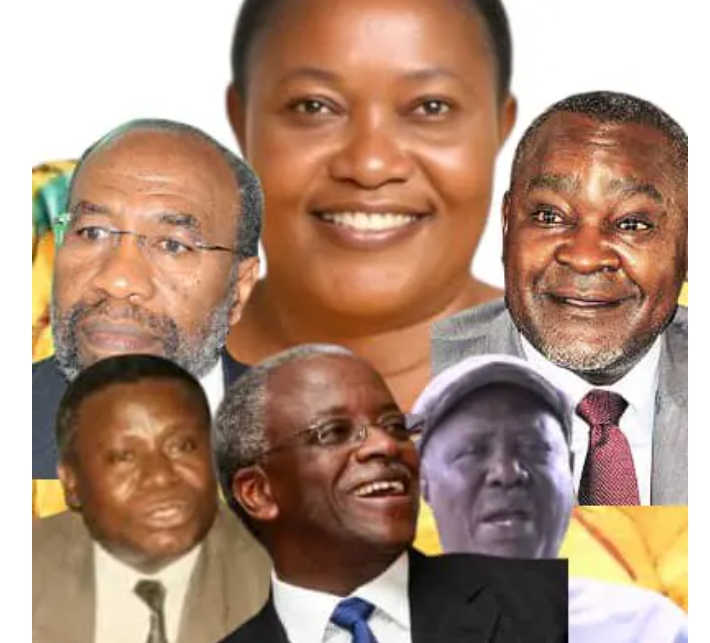
Take Kintu Musoke, one of the earliest occupants. His steady loyalty to the ruling establishment saw him rise to Prime Minister, a trajectory that reflects how the docket can reward consistency and trust. Similarly, Eriya Kategaya—a historical insider—leveraged the role into senior government positions, even navigating a temporary fallout with President Museveni without losing long-term relevance.
But not every story follows a smooth ascent. Amama Mbabazi turned the Presidency docket into a launchpad for immense power, eventually becoming Prime Minister. Yet his later presidential ambitions put him on a collision course with the very system that elevated him, illustrating how proximity to power can also breed rivalry.
For others, the trajectory was cut short by circumstance. Francis Ayume and James Wapakhabulo were widely respected figures whose careers ended abruptly, leaving behind legacies shaped more by promise than longevity.
Meanwhile, figures like Gilbert Bukenya embody the volatility of Ugandan politics. Rising from the docket to the Vice Presidency, his later years were marked by political turbulence and attempts at reinvention. In contrast, Ruhakana Rugunda maintained a steady, diplomatic path, culminating in his tenure as Prime Minister.
The docket has also reflected gradual shifts in representation. Beatrice Wabudeya and later Esther Mbayo signaled the growing, though still limited, inclusion of women in high-level state administration. Their post-docket roles show how influence can persist beyond cabinet reshuffles, often rooted in regional and grassroots engagement.
Not all exits have been graceful. Kabakumba Masiko left under a cloud of controversy, a reminder that the same visibility that elevates leaders can also expose them to rapid سقوط (downfall). Others, like Frank Tumwebaze, represent a newer generation—reshuffled across ministries as part of a broader strategy to sustain continuity within the ruling party.
Now, attention turns to Milly Babalanda. Her tenure has been marked by administrative discipline and strong grassroots coordination—qualities that have historically preceded promotion. Yet history suggests that the next step is never guaranteed. The same office that propels some leaders upward has also placed others at the center of political storms.
In that sense, the Ministry for the Presidency is less a ladder and more a crossroads. It offers visibility, influence, and proximity to the seat of power—but it also demands political precision. As Uganda looks toward its next cabinet reshuffle, Babalanda’s future will not just be about performance, but about timing, alliances, and the ever-shifting calculus of power.