
























By Karim Were
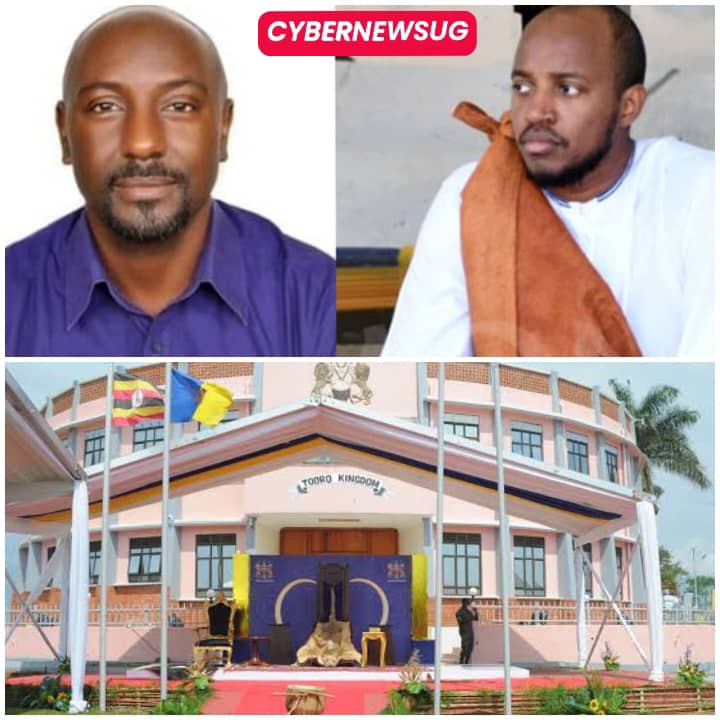
TOORO-Babiito clan leaders have announced Prince Edward Kijanangoma as the successor to the late King Oyo Nyimba Kabamba Iguru Rukidi IV, opening a new chapter for the Tooro Kingdom.
The announcement was reported on September 9, 2026. The available report confirms the election but does not yet provide the full succession proceedings, the new king’s biography or an official coronation date. Those details should be added when the royal authorities release them.
Babiito leaders announce successor
Prince Edward Kijanangoma has been elected the new king of Tooro, according to a report by Daily Monitor. The announcement was made by Babiito clan leaders at Karuziika Palace on Wednesday evening, September 9, 2026.
The development follows the death of King Oyo Nyimba Kabamba Iguru Rukidi IV, who died on August 27, 2026, at the age of 34 after receiving cancer treatment in the United States. His body was returned to Uganda on September 4 ahead of burial in the Tooro Kingdom.
The election marks the beginning of a new succession process for one of Uganda’s most prominent traditional institutions. However, the available announcement does not specify the date of Prince Edward’s coronation or the ceremonies that will accompany his installation.
A kingdom preparing for a new reign
The succession comes at a significant moment for the Tooro Kingdom, where King Oyo’s death has prompted mourning and public attention to the future of the monarchy.
King Oyo became monarch in 1995 at the age of three, following the death of his father, King Olimi III. His accession made him the world’s youngest reigning monarch at the time. He later became a prominent cultural figure in Uganda and served as a United Nations ambassador advocating against HIV and AIDS.
Advertising

His reign also gave Tooro a distinctive place in international media, particularly because of his childhood accession. Over the years, the kingdom’s cultural role remained important even as Uganda’s modern political system continued to operate through elected national and local authorities.
The death of a reigning king therefore carries significance beyond the royal family. It affects the kingdom’s cultural leadership, its public ceremonies and its relationship with the communities that identify with the institution.
Who is Prince Edward Kijanangoma?
The available report identifies Prince Edward Kijanangoma as the newly elected king, but it does not provide sufficient verified biographical information about his age, education, occupation, family background or previous public responsibilities.
Those details should not be inferred from his royal title alone. A fuller account of his background would require an official biography from the Tooro Kingdom or independently verified reporting.
The announcement also does not establish whether the election has been followed by all customary and administrative steps required before the new king’s formal installation. Such details are important because the announcement of a successor and the completion of a coronation are not necessarily the same event.
What the succession means for Tooro
The new king inherits a cultural institution with a long history and a continuing role in the social life of western Uganda.
The Tooro monarchy traces its origins to the 19th century and is associated with the Babiito royal dynasty. Uganda’s traditional kingdoms were abolished in 1967 and restored as cultural institutions in 1993. Their contemporary role is primarily cultural rather than executive or legislative.
This distinction is important. The king’s position carries cultural authority and symbolic significance, but it does not replace Uganda’s elected government or confer national executive power.
For Tooro communities, however, the monarchy remains an important expression of identity, heritage and continuity. The succession of Prince Edward is therefore likely to be viewed through both a traditional and a national lens.
The legacy of King Oyo
King Oyo’s death has already prompted tributes from Ugandan leaders and members of the royal family.
When his body arrived at Entebbe International Airport on September 4, President Yoweri Museveni was among the dignitaries who received it. The casket was draped in the Ugandan and Tooro flags before being transported to the kingdom for mourning ceremonies.
Advertisment


The late king’s public life extended beyond royal ceremonies. His work as a United Nations ambassador on HIV and AIDS gave him an international platform, while his long reign made him a familiar figure in Uganda’s cultural and public affairs.
His death also raised questions about the future of the crown. A member of the royal family had previously confirmed that King Oyo had named an heir, while the kingdom’s prime minister said that continuity of the crown was assured. The subsequent announcement of Prince Edward Kijanangoma provides a new development in that succession process.
Next steps in the royal transition
The immediate priority is likely to be the completion of the formal succession arrangements and the preparation of the new king’s installation.
The available report does not yet provide a detailed timetable for those proceedings. It is also not clear whether the kingdom will issue a formal statement explaining the selection process, the new king’s royal title or the customary ceremonies that will follow.
Such information would help clarify the transition for the public and distinguish the announcement of the new king from the later ceremonial stages of his reign.
For now, the confirmed development is that Prince Edward Kijanangoma has been elected the new king of Tooro. The broader significance of his reign will become clearer as the kingdom announces its next steps and the new monarch begins his public responsibilities.
Conclusion
The election of Prince Edward Kijanangoma opens a new chapter for the Tooro Kingdom following the death of King Oyo Nyimba Kabamba Iguru Rukidi IV. It comes at a time of mourning, reflection and renewed attention to the role of traditional institutions in Uganda.
As the succession process continues, the kingdom’s ability to combine customary continuity with clear public communication will be important. The new king’s reign will be shaped not only by the traditions he inherits, but also by the expectations of the communities he is expected to represent.
**Source: