

















By Karim Were
The prosecution in the Ggaba daycare murder case has shifted focus to establishing premeditation, presenting a chilling confession and physical evidence that they argue point to a carefully planned attack.
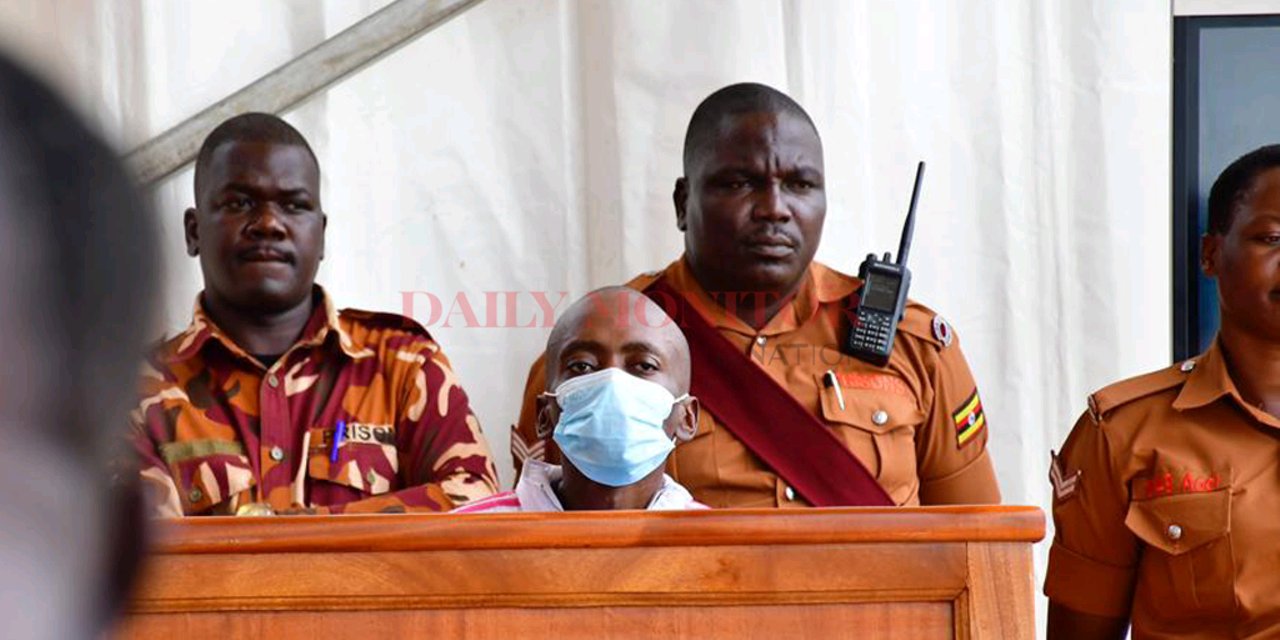
During court proceedings, Detective Assistant Superintendent of Police Eserait James testified that the suspect, Christopher Okello Onyum, admitted to killing four toddlers shortly after his arrest on April 2, 2026. According to the officer, the suspect not only confessed but also acknowledged the gravity of his actions and the consequences he expected to face.
Eserait told the court that police responded swiftly to reports of the attack, arriving at a chaotic scene where an angry crowd had gathered. Officers were forced to disperse residents to secure the area and safely extract the suspect, who had already been apprehended by private security guards at the daycare.
Once at Kabalagala Police Station, investigators began piecing together what they describe as a deliberate and calculated act. In his initial interaction with detectives, Okello reportedly admitted responsibility for the killings and revealed a motive tied to a quest for wealth.
The prosecution emphasized that the suspect’s statements suggested prior planning. Testimony indicated that he had surveilled the daycare in advance, identifying security gaps and noting the absence of guards. He also allegedly purchased multiple knives ahead of the attack.
To support this claim, investigators presented six knives recovered from the suspect’s residence, which were admitted into evidence without objection. According to Eserait, these weapons matched the suspect’s own account of preparation.
Further searches at the suspect’s home in Kyanja yielded additional items, including passports and electronic devices, now undergoing forensic examination as part of the ongoing investigation.
Despite the disturbing details, the court also heard that the suspect expressed remorse during questioning, apologizing and acknowledging that he could face severe punishment, including imprisonment or death.
With both a confession and physical evidence now on record, prosecutors argue they have established a strong foundation for proving intent and premeditation.
The trial, presided over by Alice Komuhangi Khaukha, has been adjourned to allow for further cross-examination.