












By Karim Were
Uganda’s newly approved Shs84.3 trillion national budget for the 2026/2027 financial year reveals a growing fiscal squeeze, with debt repayments and statutory obligations consuming a substantial share of government resources before funds reach critical public services.
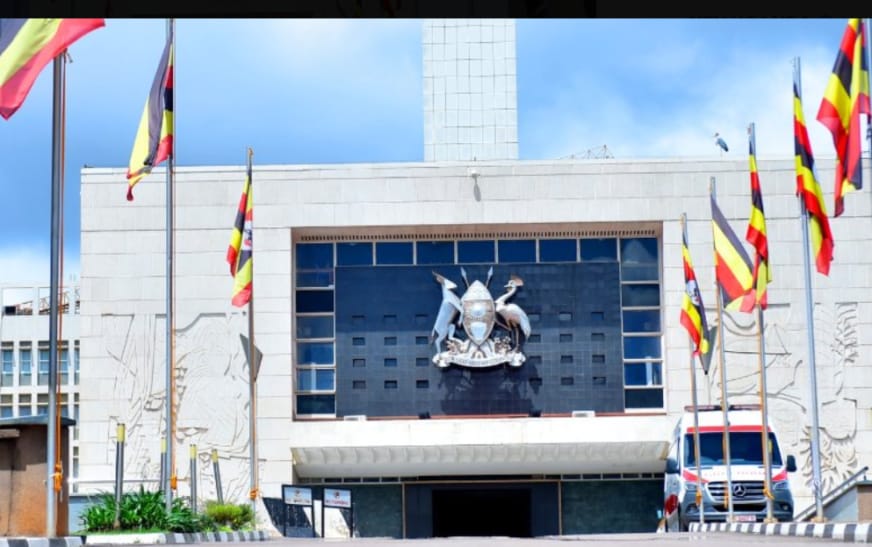
Passed by Parliament during a sitting chaired by Anita Among on April 24, the budget highlights the challenge of balancing development priorities against rising financial commitments. Nearly 40 percent of the total allocation—about Shs33.4 trillion—will go toward debt servicing alone, making it the single largest expenditure item.
According to Finance State Minister Henry Musasizi, the budget will rely heavily on domestic revenue, projected at Shs44.18 trillion. Additional financing will come from borrowing, external support, and smaller contributions such as petroleum revenues and local government collections. However, a significant portion of these funds is already locked into statutory expenses, including wages, pensions, and interest payments.
The Deputy Chairperson of the Budget Committee, Remigio Achia, warned that high debt obligations are limiting the government’s ability to invest meaningfully in service delivery sectors. While Shs47.16 trillion is categorized as discretionary spending, much of it is stretched across competing priorities.
Despite these constraints, the government has maintained a focus on economic transformation. Funding has been directed toward agro-industrialisation, infrastructure development, and wealth creation programs such as the Parish Development Model. The security sector will receive Shs10.2 trillion, while human capital development—including education and health—takes the largest share at Shs13.5 trillion.
However, the approval process exposed sharp divisions in Parliament. Opposition figures, led by Ibrahim Ssemujju Nganda, criticized last-minute budget revisions, arguing that nearly Shs1 trillion was added or reallocated without adequate planning or transparency. He warned that such changes risk misuse of public funds and undermine fiscal discipline.
Other lawmakers raised sector-specific concerns, from inadequate funding for sickle cell disease programs to shifting allocations for infrastructure and education projects. Leader of the Opposition Joel Ssenyonyi questioned continued spending on the stalled International Specialised Hospital Lubowa, citing nearly Shs1 trillion already invested with limited visible progress.
Government officials defended their approach, with ICT Minister Chris Baryomunsi arguing that borrowing is a standard global practice and necessary for development, provided funds are used responsibly.
As debates continue beyond the budget’s passage, the central issue remains clear: Uganda’s fiscal space is tightening. With debt repayment, wages, and administrative costs consuming the majority of resources, the effectiveness of the remaining funds in delivering tangible improvements to citizens will be closely scrutinized in the year ahead.