
















By Karim Were
A growing debate within Uganda’s religious and political circles has emerged after Stephen Kaziimba Mugalu defended his preference for behind-the-scenes engagement with government, drawing sharp criticism from opposition leader Bobi Wine.
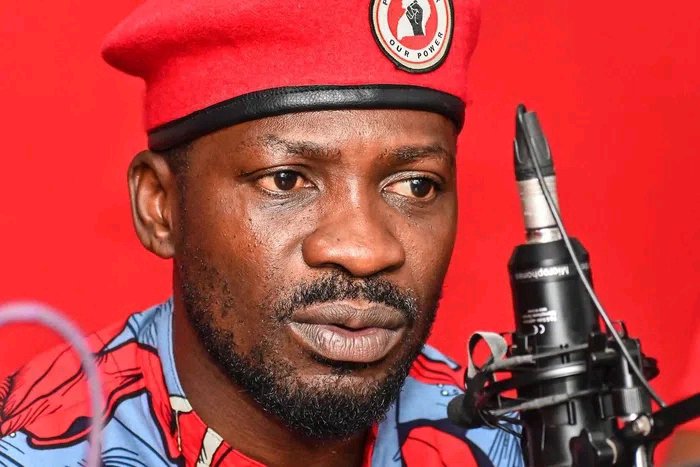
Speaking during a recent visit to the United States, Bobi Wine challenged the Archbishop’s remarks, arguing that publicly acknowledging fear of confronting authority risks weakening the moral voice of the church at a critical time. He suggested that religious leaders play a vital role in defending truth, especially when citizens face injustice.
Kaziimba had earlier addressed critics at St John’s Church, Makerere, where he explained that he deliberately avoids direct public confrontation with the state. Referencing the fate of Janani Luwum, he questioned whether martyrdom would meaningfully advance change, emphasizing his responsibility to family and his continued work through less visible channels.
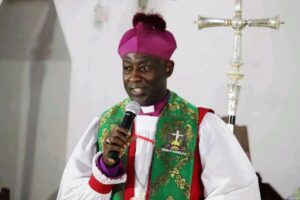
He described his method as “quiet diplomacy,” drawing from the biblical example of the prophet Nathan, who challenged King David privately rather than publicly. According to Kaziimba, this approach allows for constructive engagement without escalating tensions or risking unnecessary loss of life.
However, Bobi Wine and other critics argue that such restraint may come at the cost of moral clarity. He invoked figures like Jesus Christ to stress that speaking truth to power has historically required sacrifice, and that silence—or caution framed as strategy—can be interpreted as complicity.
The exchange highlights a broader question facing religious institutions in Uganda today: whether influence is best exercised through public advocacy or discreet negotiation. While Kaziimba maintains that private dialogue can yield results without confrontation, his critics insist that the current climate demands a more visible and courageous stance.
As the discussion continues, it reflects deeper tensions about leadership, faith, and responsibility in times of political pressure—leaving many Ugandans to weigh which approach better serves the
pursuit of justice..