

















By Karim Were
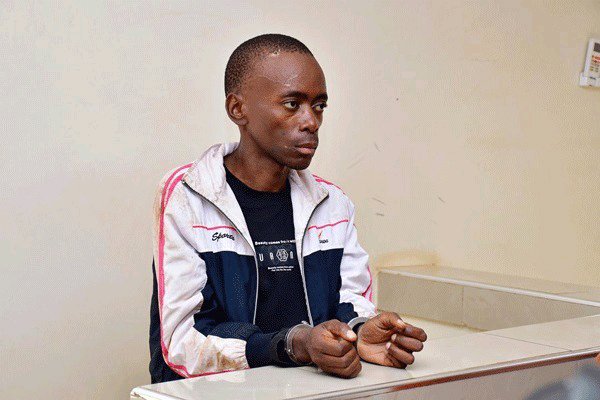
In a ruling that underscores the high evidentiary bar for insanity defenses, Justice Alice Komuhangi Khaukha has convicted Christopher Okello Onyum of murdering four toddlers at a daycare center in Ggaba, firmly rejecting claims of mental incapacity and spiritual possession.
Delivering judgment during a mobile court session held close to the crime scene, the judge emphasized that criminal responsibility cannot be displaced without credible medical evidence. Okello’s reliance on an unsworn statement, unsupported by psychiatric evaluation or expert testimony, proved insufficient to counter a prosecution case built on forensic, digital, and financial records.
Central to the court’s reasoning was evidence showing that Okello was engaged in structured financial activities at the time of the killings. Records presented in court revealed he was actively managing multiple bank accounts, conducting transactions in both local and foreign currencies, and participating in organized investment ventures. According to the court, such behavior demonstrated a level of mental clarity incompatible with claims of temporary insanity.
The prosecution, led by Jonathan Muwaganya, further reinforced its case with digital forensic findings. These included search histories linked to violent acts and childcare settings, which the court interpreted as indicators of planning rather than impulsive or unconscious behavior.
Justice Komuhangi noted that the combination of calculated actions, financial coordination, and targeted online activity established intent beyond reasonable doubt. She concluded that the defense’s argument failed not only due to lack of evidence but also because it was contradicted by the accused’s own conduct before and after the crime.
While Okello contested the admissibility of an earlier confession, alleging coercion, the court found that independent forensic evidence sufficiently corroborated key aspects of the prosecution’s narrative.
The trial, which featured testimony from 18 witnesses, now moves to the sentencing phase. Prosecutors are expected to argue for the harshest penalty, citing the vulnerability of the victims and the deliberate nature of the crime.
Outside the court, members of the Ggaba community continue to gather, awaiting a sentence that many hope will reflect both the gravity of the offense and the precedent set by the court’s firm stance on unsubstantiated insanity defenses.