























By Karim Were
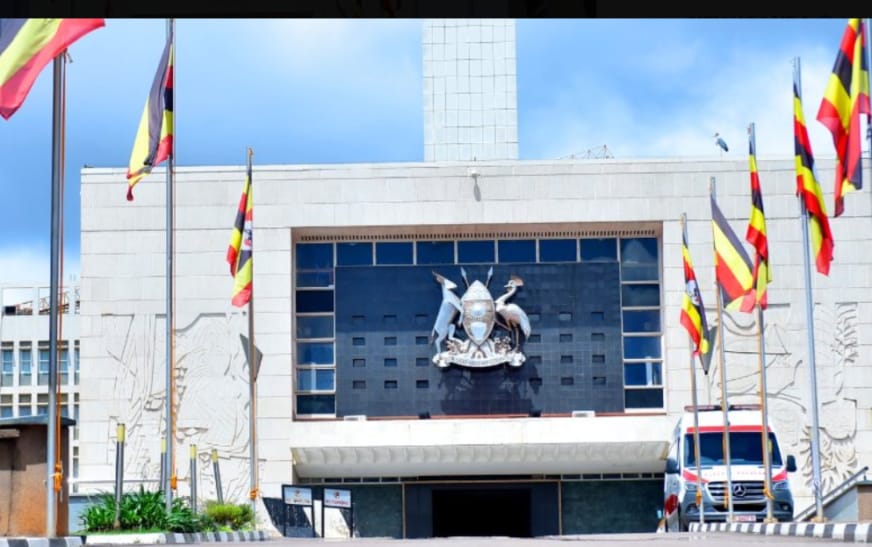
Ugandans are facing a tight deadline to influence one of the country’s most contentious legislative proposals in recent years, as Parliament opens a brief seven-day consultation period on the proposed Protection of Sovereignty Bill, 2026.
The short window—ending April 24—has drawn attention not just to the content of the Bill, but also to the pace at which public input is being sought on a law that could significantly reshape how individuals and organizations interact with foreign partners.
Tabled earlier this week by Internal Affairs Minister David Muhoozi, the Bill aims to expand state oversight over foreign-linked funding and activities. It introduces a requirement for entities receiving more than Shs400 million annually from external sources to seek prior approval from government authorities.
At the center of the proposal is a plan to designate a government security body as the lead regulator of all actors deemed to represent foreign interests. Those who fall afoul of the rules risk being labeled “foreign agents,” a classification that carries steep consequences—including prison sentences of up to 20 years.
The legislative process is now in the hands of a joint parliamentary team combining the Defence and Internal Affairs Committee with the Legal and Parliamentary Affairs Committee. According to Adolf Mwesige, citizens and stakeholders can either submit written memoranda or appear in person to present their views.
While government frames the Bill as necessary to safeguard national sovereignty and ensure transparency in foreign funding, critics argue that the measures could restrict civil society operations and limit external support for local initiatives.
With debate intensifying both inside and outside Parliament, the coming days are expected to test how much influence public submissions will have on shaping—or challenging—the final form of the law.