




















By Karim Were
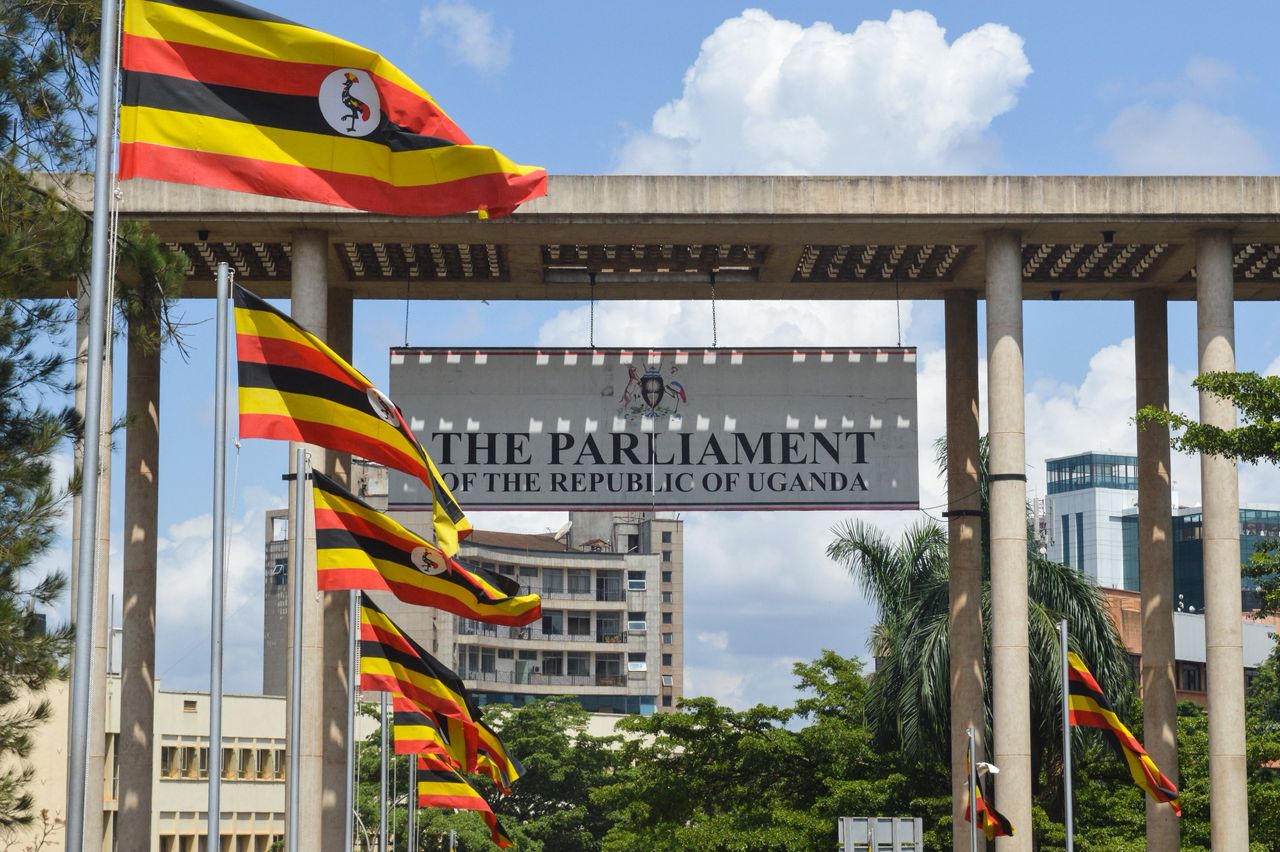
Yoweri Museveni’s decision to return Uganda’s Anti-Homosexuality Bill for reconsideration set the stage for a rare show of legislative resolve, as Parliament moved to revise and pass the law again on May 2, 2023.
Chaired by Anita Among, lawmakers framed the second passage not as a retreat, but as a refinement—aimed at addressing legal concerns without abandoning the Bill’s core intent. Central to the revisions was a clearer distinction between an individual’s identity and punishable acts, a point the President had emphasized in his earlier rejection.
The Legal and Parliamentary Affairs Committee, led by Robina Rwakoojo, reviewed the legislation and proposed targeted amendments designed to strengthen its constitutional footing. Parliament ultimately adopted these changes, signaling both responsiveness and determination to uphold the law.
Debate inside the chamber revealed deep divisions. Fox Odoi pushed unsuccessfully to scrap contentious provisions altogether, while Mathias Mpuuga urged colleagues to stand firm, portraying the Bill as a defense of Uganda’s cultural and moral framework.
One of the most debated elements—a clause requiring citizens to report acts of homosexuality—remained in the final version, though adjusted to emphasize protections for children and vulnerable individuals.
Outside legislative details, the tone of the session underscored a broader message. Speaker Among cautioned MPs against yielding to foreign influence, casting the vote as an assertion of national sovereignty in the face of mounting international criticism.
The Bill’s passage marked not just a legislative milestone, but a defining political moment—highlighting tensions between domestic priorities and global pressure, and reinforcing Parliament’s willingness to proceed despite both internal dissent and external scrutiny.