





















By Karim Were
Young people in Greater Nebbi have unveiled an ambitious plan to raise Shs1 billion through member contributions to finance youth-owned businesses and reduce unemployment across the region.
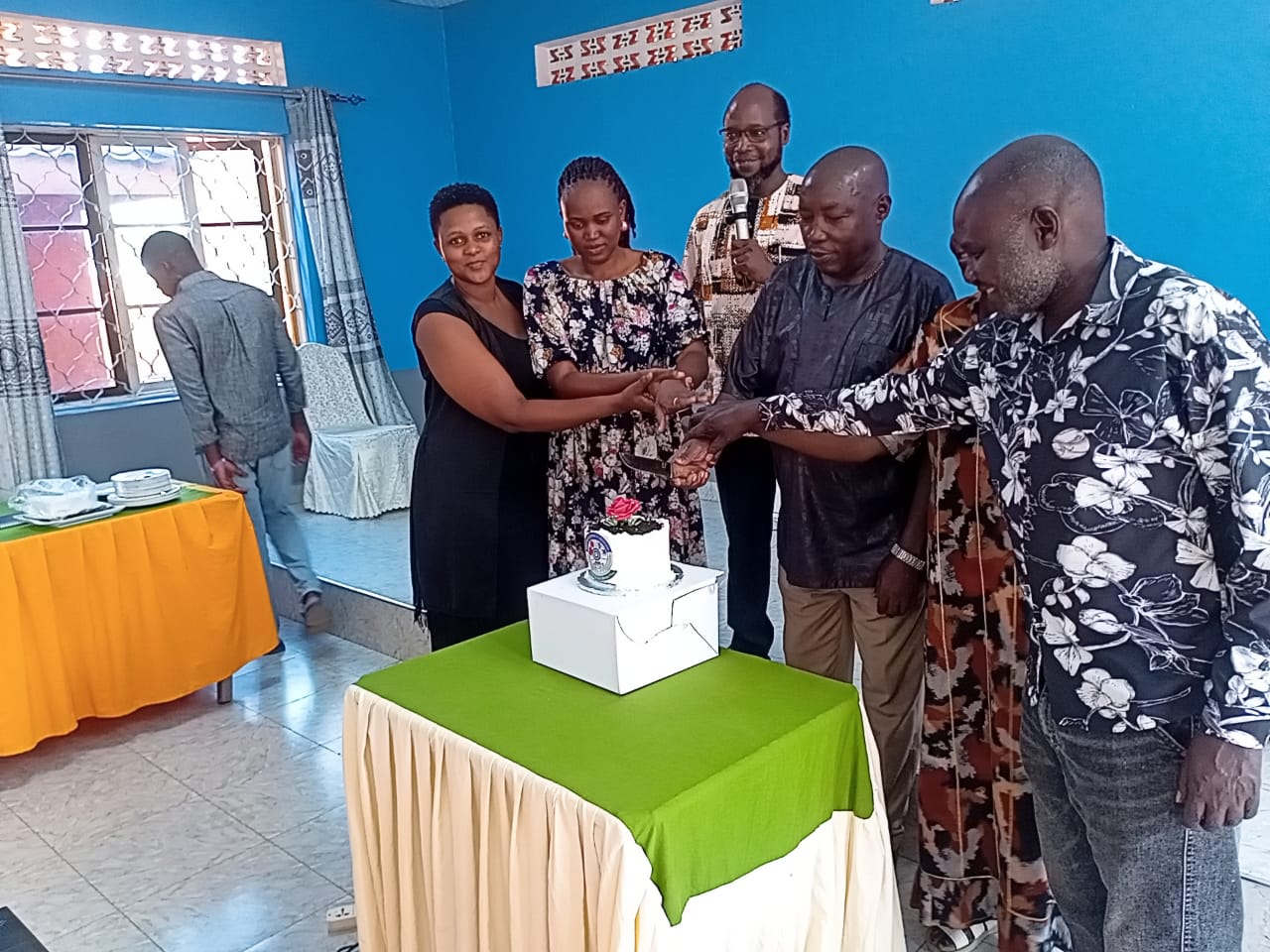
The campaign, launched on June 21 in Nebbi Municipality by the Greater Nebbi Youth Development Forum, seeks to mobilize more than 10,000 unemployed youth from Nebbi, Zombo and Pakwach districts around a model of savings, investment and entrepreneurship rather than dependence on external funding.
Leading the initiative, Emilio Odongo said the programme is designed to change attitudes toward wealth creation by encouraging young people to pool resources and invest in their own economic future.
According to Odongo, the forum will focus on financing youth business ideas, supporting job creation, running enterprise incubation programmes and attracting government partnerships for viable ventures. The group plans to recruit at least 243 members from each of the 41 lower local governments in Greater Nebbi.
Participants at the launch proposed a range of business ideas, including poultry farming, piggery, knitting, hairdressing and pastry production, reflecting growing interest in small-scale enterprises with the potential to generate income.
Unlike previous programmes that relied heavily on grants, the proposed Shs1 billion fund will be built from membership registration fees, giving contributors a direct stake in the initiative. Organisers say the revolving fund will provide financial support for member-led projects while promoting accountability and shared ownership.
“We are not asking for donations,” Odongo told participants. “Every youth who registers will own a share, and the money will be used to finance their own business ambitions.”
The initiative has also attracted support from student leaders. Muber Brenda, President of the Greater Nebbi University Students Association, said the fund could help young people start businesses before completing their studies instead of waiting for scarce formal employment opportunities.
Organisers acknowledged that rebuilding trust will be a challenge, citing the mixed record of previous government-backed youth programmes such as the Youth Livelihood Programme, the Northern Uganda Social Action Fund, the Parish Development Model and Emyooga, where some beneficiary groups struggled with management and sustainability.
Nebbi Resident District Commissioner Robert Abak urged participants to prioritize discipline and organisation, arguing that long-term commitment is essential for any collective investment scheme to succeed.
The Greater Nebbi Youth Development Forum hopes its member-funded model will create sustainable enterprises, generate employment and serve as a blueprint for youth-led economic empowerment across the region.