













By Karim Were
Kacere Primary School in Ntungamo District is emerging as a stark example of the widening gap between policy promises and the reality of rural education in Uganda, as learners and teachers continue to operate under conditions many describe as unacceptable.
While Uganda has made strides in expanding access to education, schools like Kacere—now commonly known as Kacere Community School—tell a different story. Here, children are not just students; they are also caretakers of their own fragile learning environment.
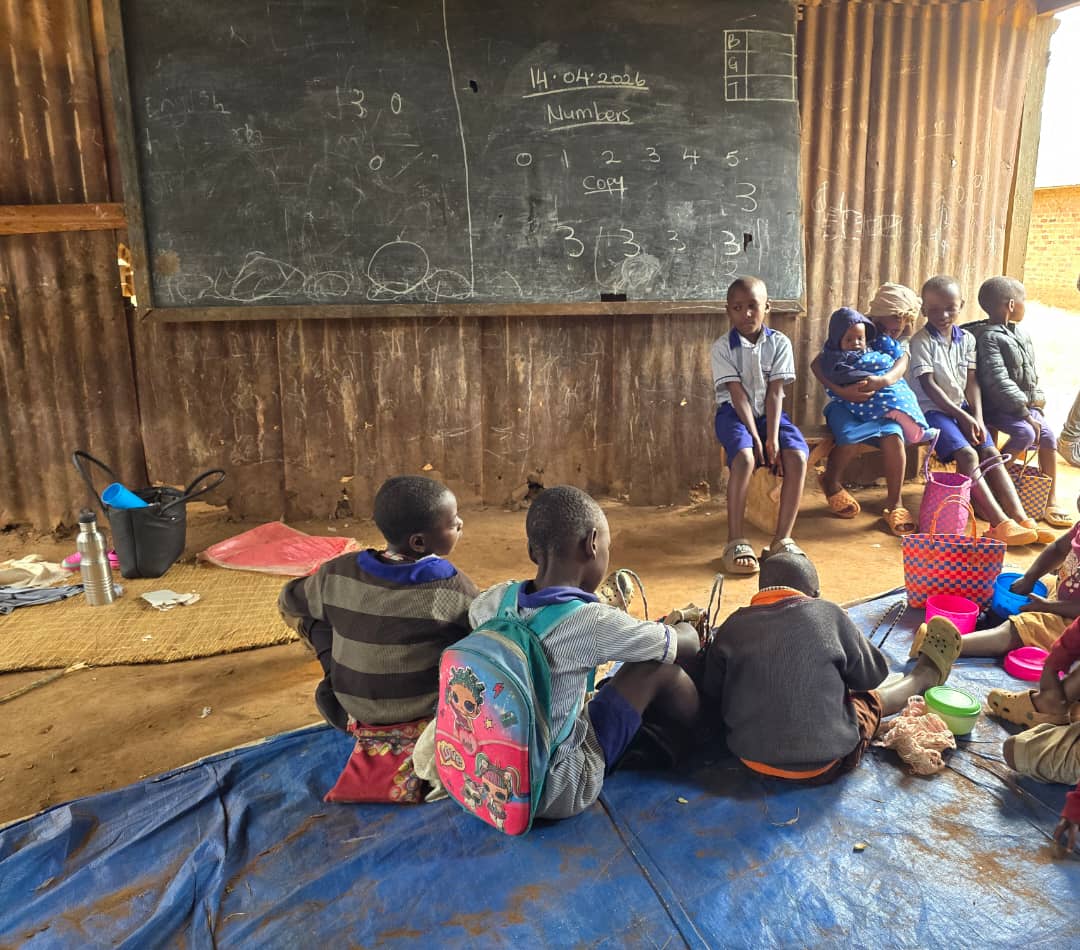
On a typical day, pupils can be seen sweeping compounds and repairing their classrooms—structures made of wood and lined with papyrus mats. Inside, the floors are smeared with mud and cow dung, offering little protection from harsh weather conditions.
For many learners, especially those in lower primary and nursery sections, learning becomes nearly impossible during the rainy season. Cold and discomfort often force them to stop writing altogether.
The infrastructure challenges go hand in hand with a severe lack of basic resources. With not enough desks to go around, some pupils sit on worn-out tarpaulins during lessons. Teachers say this not only affects concentration but also undermines the dignity of learners.
Beyond classrooms and furniture, the absence of electricity continues to isolate the school from modern learning opportunities. Administrative work is slowed, and students are cut off from technologies that are increasingly central to education.
Local development advocates argue that the burden of fixing these challenges is far beyond what the school or community can manage. Extending electricity and improving facilities require government-level intervention, which has yet to materialize.
Teachers, too, face significant hardships. With no staff housing available, many commute long distances daily, a situation that school leaders say is eroding morale and affecting teaching quality.
Despite these difficulties, the school continues to serve over 300 learners, a testament to the resilience of both staff and students. However, community leaders warn that resilience alone cannot sustain quality education.
They are now calling on the government to take deliberate action—by investing in permanent classrooms, supplying adequate furniture, expanding rural electrification, and constructing staff housing.
For Kacere Primary School, the issue is no longer just about infrastructure. It is about equity, dignity, and the right of every child—regardless of location—to learn in a safe and
supportive environment.