























By Karim Were
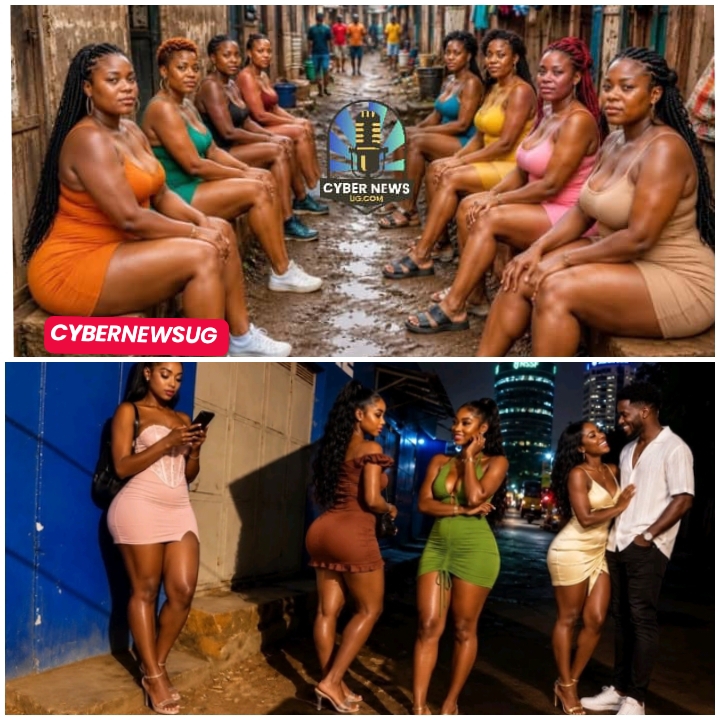
From lively music lounges and dance floors to cultural performances and late-night dining, Kampala offers a diverse nightlife experience shaped by music, fashion, food and social connections.
KAMPALA — Uganda’s capital transforms after sunset as restaurants, lounges, bars and entertainment venues welcome people seeking music, relaxation, dancing and opportunities to socialise. The city’s nightlife offers a range of experiences, from upscale lounges and rooftop dining to energetic local bars and cultural entertainment.
For many residents and visitors, going out at night is about more than music or drinks. It can be an opportunity to meet friends, celebrate milestones, discover new entertainment spots and experience Kampala’s evolving urban culture.
The city’s nightlife is spread across several neighbourhoods, each offering a different atmosphere. Kololo and Acacia Avenue are associated with lounges and dining venues, while Kisementi offers restaurants and places to meet friends. Bugolobi has a growing selection of entertainment venues, while Kabalagala is known for its lively bars and late-night social scene.
Kampala’s official tourism portal also promotes nightlife as part of the city’s wider visitor experience, alongside food, cultural attractions and places of historical interest.
#Music, dancing and the appeal of a night out
Music is central to Kampala’s entertainment culture. Depending on the venue and event, patrons may encounter Ugandan pop, Afrobeats, dancehall, amapiano, hip-hop, reggae and other international sounds.
Some people prefer venues with busy dance floors and DJs, while others choose quieter lounges where conversations can take centre stage. Live performances and themed events also provide alternatives for people who want something different from a conventional nightclub experience.
The diversity means that a night out does not have to follow a single pattern. Some visitors begin with dinner, move to a music venue later in the evening and finish with a meal before heading home.
However, individual venues differ in their music, prices, entry requirements and operating hours. Visitors should check event announcements and contact establishments directly before making plans.
#Where different nightlife experiences can be found
#Kololo and Acacia Avenue
Kololo and the Acacia Avenue area offer options for people interested in restaurant dining, lounges and organised entertainment events. These venues may appeal to groups of friends, couples, business visitors and people celebrating special occasions.
The experience can be more focused on dining and conversation than on dancing, although some establishments combine food service with DJs and late-night entertainment.
#Kisementi
Kisementi provides a mix of restaurants, bars and social meeting places. It can suit visitors who want to enjoy a meal or meet friends before deciding whether to continue to another venue.
For people unfamiliar with Kampala, choosing a well-known commercial area with established businesses can make planning an evening easier.
#Bugolobi
Bugolobi has a selection of lounges and entertainment establishments, including venues along Bandali Rise. Its nightlife attracts people looking for music, food, drinks and opportunities to socialise.
As with other parts of the city, the atmosphere depends on the venue, the night and any scheduled event.
#Kabalagala
Kabalagala is associated with a lively local entertainment scene, including bars, food outlets and places where people gather to listen to music and meet friends.
The neighbourhood offers a different atmosphere from more formal dining and lounge destinations. Visitors should choose establishments carefully, remain aware of their surroundings and arrange reliable transport, particularly when travelling late at night.
#Fashion, confidence and social connections
Fashion is another visible part of Kampala’s nightlife culture. Some patrons dress formally for upscale venues, while others choose casual clothing suited to relaxed bars and music events.
For many people, preparing for a night out is part of the experience. Clothing, grooming and personal style can express confidence and individuality, particularly when meeting friends or attending celebrations.
Social interaction is equally important. Nightlife venues allow adults to make new acquaintances, maintain friendships and meet people with shared interests.
However, an enjoyable social environment depends on mutual respect. Being in a bar or nightclub does not imply consent to unwanted attention, photographs, physical contact or personal advances. Visitors should respect boundaries and understand that every individual has the right to decide whom they engage with.
#Food and entertainment beyond the dance floor
Kampala’s after-dark economy extends beyond nightclubs. Restaurants, cafés and food outlets provide options for people who prefer dining, conversation or a quieter evening.
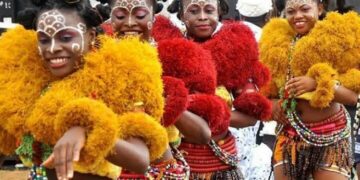
Some visitors combine entertainment with cultural experiences. The Ndere Cultural Centre, for example, is known for performances celebrating Uganda’s cultural diversity through music, dance and storytelling.
These experiences broaden the definition of nightlife beyond drinking and dancing. They also create opportunities for visitors to learn about Ugandan traditions while supporting the people and businesses involved in the entertainment industry.
For residents, the availability of different options means that an evening can be tailored to personal preferences and budgets.
#The economic importance of nightlife
Nightlife contributes to Kampala’s wider hospitality and service economy. Entertainment venues rely on DJs, musicians, security personnel, waiters, cleaners, drivers, food suppliers and other workers.
Restaurants and bars also create demand for transport services, catering, event promotion and fashion-related businesses. Major performances and special events can bring additional customers to surrounding establishments.
The sector nevertheless faces practical challenges. Business owners must manage operating costs, comply with relevant licensing and public-safety requirements, and provide a safe environment for employees and customers.
Noise, road congestion, alcohol-related harm and concerns about personal security can also affect communities around entertainment districts. Cooperation between businesses, authorities, workers and residents is important to balancing commercial activity with public welfare.
#Safety tips for enjoying Kampala at night
A successful night out begins with basic planning. Visitors should confirm their destination, know how they will return home and keep their phones charged.
Using a trusted driver or reputable transport service can reduce uncertainty when travelling between venues. People should avoid accepting open drinks from strangers, keep an eye on their belongings and leave any situation that makes them feel unsafe.
It is also sensible to establish a spending limit before going out and to avoid driving after consuming alcohol. Friends attending an event together can agree to check on one another and ensure everyone has a safe way home.
Anyone visiting an unfamiliar venue should check its location and recent information rather than relying entirely on old social media posts or unverified recommendations.
#A nightlife scene with many sides
Kampala’s nightlife cannot be defined by one neighbourhood, one type of venue or one group of people. Its appeal lies in the variety of experiences available, from music and dancing to cultural performances, restaurant dining and informal social gatherings.
For residents and tourists alike, the best night out is one that matches personal interests, respects other people and includes sensible safety arrangements.
As the city continues to develop its hospitality and entertainment offerings, nightlife remains one part of Kampala’s wider urban identity—connecting music, food, culture, business and social life after dark.
Source: