























By Karim Were
The coronation of His Majesty Edward Rukidi Nyabongo I, Omukama of Tooro, is scheduled for September 29 at Karuzika Palace in Fort Portal, according to information provided by the organisers.
FORT PORTAL, Uganda — Minister for Gender, Culture and Social Development Hon. Mary Kuteesa Kamuli has highlighted the cultural significance of the planned coronation of His Majesty Edward Rukidi Nyabongo I, Omukama of Tooro, which is scheduled to take place on Tuesday, September 29, 2026, at Karuzika Palace in Fort Portal.
The ceremony is expected to bring together cultural leaders, government representatives, members of the Tooro Kingdom community and other invited guests for an event centred on the institution of the Omukama and the cultural heritage of the Tooro people.
Advertisment Voyagers Kikorongo two days to go from 26th-29th September 2026


The planned coronation is also expected to provide an opportunity to celebrate Tooro’s traditions and strengthen public appreciation of Uganda’s cultural institutions.
According to the information provided for the event, Edward Rukidi Nyabongo I is expected to be formally celebrated as the 13th Omukama of Tooro during the ceremony at Karuzika Palace.
The announcement comes at a time when cultural institutions continue to play an important role in preserving traditional heritage, promoting social cohesion and maintaining cultural identity in Uganda.
Karuzika Palace prepares for the ceremony
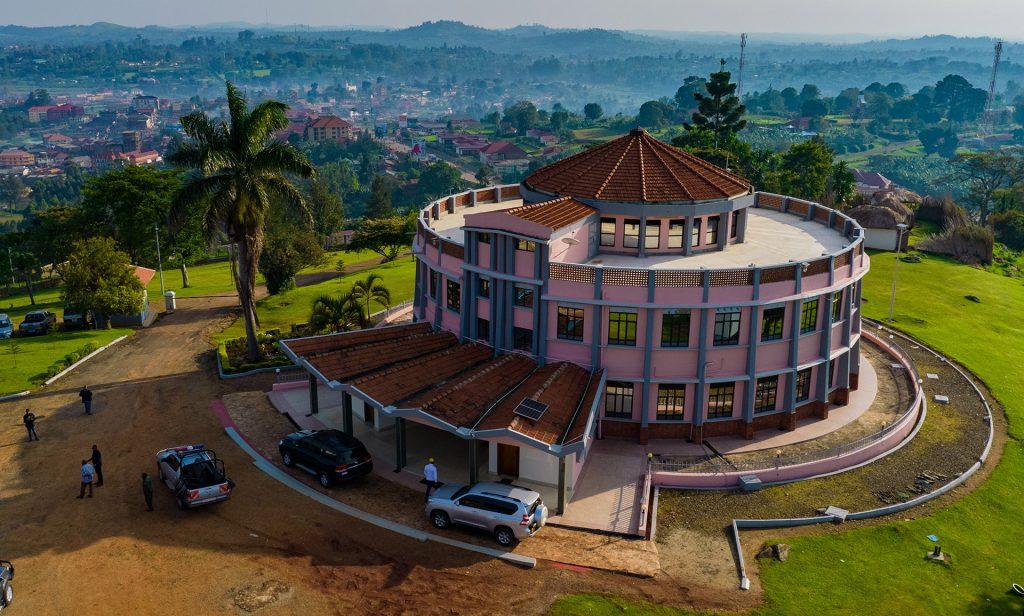
Karuzika Palace in Fort Portal is expected to serve as the main venue for the coronation.
The palace has long been associated with the Tooro Kingdom and the institution of the Omukama, making it a significant location for a ceremony intended to mark an important moment in the kingdom’s cultural life.
The event is expected to attract guests from Tooro and beyond, although the organisers’ full programme, guest list and detailed arrangements were not provided in the information available for this report.
The coronation is expected to combine elements of cultural tradition with a formal public ceremony.
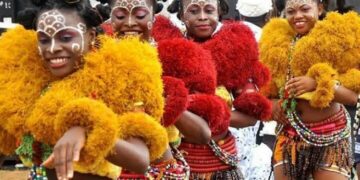
Such events typically provide cultural institutions with an opportunity to showcase traditional practices, music, dress, customs and forms of community participation while also bringing together people from different parts of society.
Minister Kuteesa’s role
Hon. Mary Kuteesa Kamuli, the Minister for Gender, Culture and Social Development, is among the government officials associated with the preparations and public discussion surrounding the planned event.
The Ministry of Gender, Labour and Social Development has responsibilities relating to culture and the preservation and promotion of Uganda’s cultural heritage.
Government participation in cultural events can provide an important link between traditional institutions and the state, particularly in areas involving heritage preservation, cultural education and national identity.
However, cultural institutions operate within Uganda’s constitutional and legal framework, which recognises their role in promoting and preserving the cultural practices and traditions of communities.
The planned Tooro coronation therefore has significance beyond the ceremony itself. It provides an opportunity for cultural leaders and government representatives to reinforce the value of Uganda’s diverse heritage.
Edward Rukidi Nyabongo and the Tooro institution
Edward Rukidi Nyabongo I is identified in the event information as the Omukama of Tooro and the 13th holder of the kingdom’s traditional throne.
The title Omukama is associated with the traditional leadership of the Tooro people, whose cultural heartland is in western Uganda.
The institution has historical importance in the region and remains a major symbol of Tooro cultural identity.
Advertisement

The role of a cultural leader is distinct from that of an elected political leader. Traditional institutions in Uganda do not exercise governmental political authority, but they can have significant cultural and social influence within their communities.
Their responsibilities can include promoting cultural heritage, encouraging unity and supporting initiatives that benefit communities.
The planned coronation is therefore expected to focus primarily on the cultural and traditional significance of the Omukama’s institution.
Why the coronation matters to Tooro
For many members of the Tooro community, the Omukama represents an important part of their historical and cultural identity.
A coronation provides an opportunity for members of the community to participate in a public cultural event and reaffirm their connection to traditional heritage.
It can also provide younger generations with an opportunity to learn about customs and institutions that have been passed down through generations.
At a time when cultural practices are increasingly influenced by globalisation, technology and changing social patterns, traditional ceremonies can serve as platforms for preserving cultural knowledge.
The significance of the event is therefore not limited to the formal installation or recognition of a cultural leader. It also relates to the wider question of how communities preserve their heritage while adapting to contemporary society.
Cultural institutions in modern Uganda
Uganda is home to several recognised traditional and cultural institutions representing different communities across the country.
These institutions have continued to participate in cultural programmes, community mobilisation, heritage preservation and social development initiatives.
The restoration and recognition of cultural institutions in Uganda has also been an important part of the country’s post-independence cultural history.
Traditional leaders and cultural institutions do not replace elected government structures. Instead, their role is generally centred on culture, heritage and community identity within the limits established by the Constitution and national laws.
Events such as coronations can therefore bring together cultural and government stakeholders while maintaining the distinction between cultural leadership and political administration.
The significance of Karuzika Palace
The choice of Karuzika Palace as the venue gives the planned coronation additional cultural importance.
As a royal palace associated with the Tooro Kingdom, Karuzika provides a setting connected to the institution whose traditions the ceremony is expected to celebrate.
For visitors attending the event, the ceremony may also provide an opportunity to experience aspects of Tooro culture and heritage.
This can contribute to cultural tourism in Fort Portal and the wider Tooro sub-region, particularly when cultural events attract visitors from other parts of Uganda and abroad.
Fort Portal is already recognised as an important tourism centre in western Uganda, with attractions ranging from crater lakes and scenic landscapes to wildlife and cultural heritage sites.
Major cultural events can complement these tourism assets by giving visitors additional reasons to travel to the region.
Potential economic impact
Although no official economic impact figures were provided, large cultural gatherings can generate activity for local businesses.
Hotels, restaurants, transport operators, traders and other service providers may benefit when visitors travel to Fort Portal for an event.
The potential economic benefit depends on factors such as attendance, duration of visitors’ stays and the extent to which participants use local services.
For the organisers and local authorities, events of this nature can therefore have both cultural and economic dimensions.
However, any assessment of the actual economic impact of the September 29 ceremony would require official attendance and expenditure data, which were not provided.
Preserving culture for future generations
One of the broader issues surrounding traditional ceremonies is the preservation of cultural knowledge.
Cultural heritage includes more than royal titles and ceremonies. It can encompass language, oral history, traditional music, dance, clothing, crafts, food, social practices and historical knowledge.
Public ceremonies can help keep these traditions visible, particularly when young people participate in or observe them.
The planned coronation could therefore serve as an opportunity to document and transmit elements of Tooro cultural heritage to future generations.
That role becomes increasingly important as communities seek to balance traditional practices with modern education, urbanisation, digital communication and changing lifestyles.
A moment of cultural identity
The planned ceremony also comes at a time when cultural identity continues to be an important part of Uganda’s social landscape.
Uganda’s population includes numerous ethnic and cultural communities, each with its own traditions and historical experiences.
Celebrating these traditions can contribute to a broader sense of national cultural diversity when conducted within the country’s constitutional framework.
The Tooro coronation is consequently expected to be watched not only by people from the kingdom but also by Ugandans interested in the country’s cultural heritage.
What remains to be confirmed
While the date and venue provided for the ceremony are September 29, 2026, at Karuzika Palace in Fort Portal, several operational details were not included in the information available for this article.
These include the complete list of invited dignitaries, the detailed programme, expected attendance figures, security arrangements and the specific traditional rituals that will form part of the ceremony.
Those details should be confirmed by the Tooro Kingdom or the official organising authorities before publication as definitive information.
Similarly, no direct quotation from Minister Kuteesa Kamuli was provided in the source material. Accordingly, this article does not attribute specific statements to her that were not supplied or independently verified.
This distinction is important in responsible reporting, particularly for major cultural and public events where inaccurate details can quickly spread through social media and other platforms.
Looking beyond the ceremony
The importance of a coronation extends beyond the day on which it takes place.
For cultural institutions, such ceremonies can provide an opportunity to consider how traditional leadership can contribute to cultural preservation, education, community development and social cohesion.
For government, they provide opportunities to strengthen cooperation with cultural institutions while respecting the constitutional boundaries between cultural leadership and political administration.
For local communities, they can provide a moment of collective identity and an opportunity to celebrate their history.
The September 29 ceremony could therefore become an important cultural event for Tooro, particularly if it succeeds in bringing together different sections of the community around a shared appreciation of their heritage.
Conclusion
The planned coronation of Edward Rukidi Nyabongo I at Karuzika Palace on September 29 is expected to be an important event in the cultural calendar of Tooro.
With the participation of government officials such as Minister Mary Kuteesa Kamuli and representatives of the Tooro Kingdom, the ceremony is expected to highlight the continuing place of cultural institutions in Uganda’s social and heritage landscape.
Beyond the formal celebrations, the event offers an opportunity to preserve cultural traditions, engage younger generations and promote appreciation of Tooro’s historical identity.
As preparations continue, attention will remain on the official programme and the participation of cultural and government leaders. The event’s wider significance will ultimately be measured not only by the ceremony itself, but also by its contribution to preserving heritage and strengthening cultural identity for future generations.
Source: