

















By Karim Were
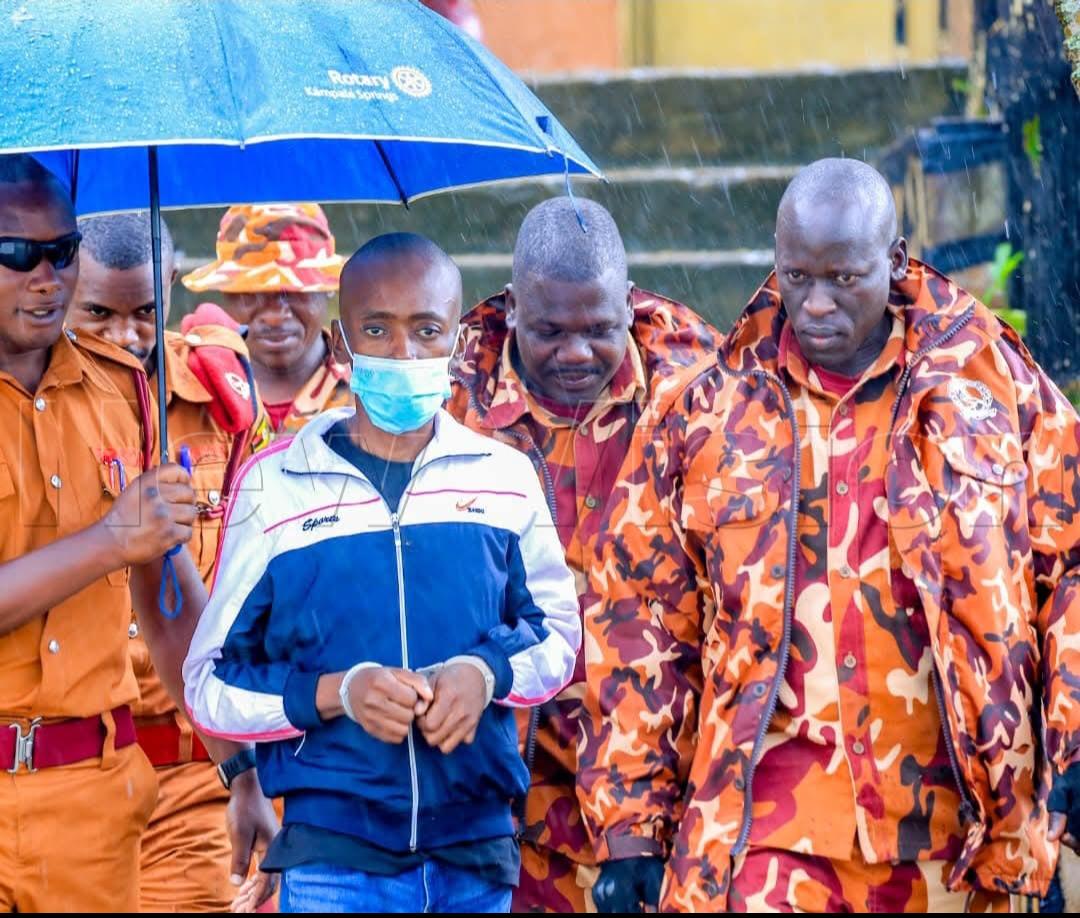
The ongoing trial of Christopher Okello Onyum has shifted attention from the shocking act itself to what prosecutors describe as a pattern of calculated planning leading up to the Ggaba daycare killings.
As proceedings continue at the community grounds in Ggaba, the case—overseen by Alice Komuhangi Khaukha—is increasingly centered on digital and forensic evidence. Investigators argue that the material recovered from the suspect’s devices paints a picture of deliberate preparation rather than a spontaneous act.
According to testimony from police cybercrime detective Henry Kenneth Angulo, attached to Uganda’s forensic services, the suspect allegedly carried out targeted online searches prior to the attack. These included map-based research and location tracking, with particular attention to Church Close in Ggaba, where the daycare center is located. Prosecutors say this demonstrates reconnaissance activity in the days leading up to the incident.
Further evidence presented in court suggests that multiple other locations—primarily schools and childcare facilities—were also researched. Authorities believe this could indicate a wider scope of intent, though investigations are ongoing to determine the full extent and purpose of these searches.
A flash disk recovered during the investigation has also become a focal point. It reportedly contains a document titled “Sanguine Military Operation in the World,” which forensic analysts say was saved shortly before the attack. Prosecutors argue that this file may offer insight into the suspect’s thinking and potential influences, though its exact significance is still being examined in court.
The trial follows a directive from Yoweri Museveni to ensure public accountability, resulting in open proceedings held within the affected community. This has allowed families, residents, and observers to follow the case closely as emotional testimony continues to unfold.
Beyond the digital evidence, investigators are also reviewing financial records, communication logs, and the suspect’s movements prior to the incident. These elements, combined with statements attributed to the accused, form the backbone of the prosecution’s argument that the act was premeditated.
Despite occasional disruptions—including severe weather that briefly halted proceedings—the trial continues to draw national attention. For many, the focus now is not only on justice for the victims, but also on understanding how such an act could be planned and whether warningsigns were missed.