
























By Karim Were
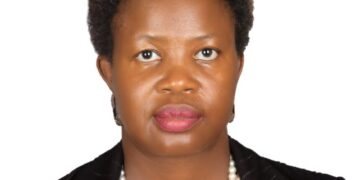
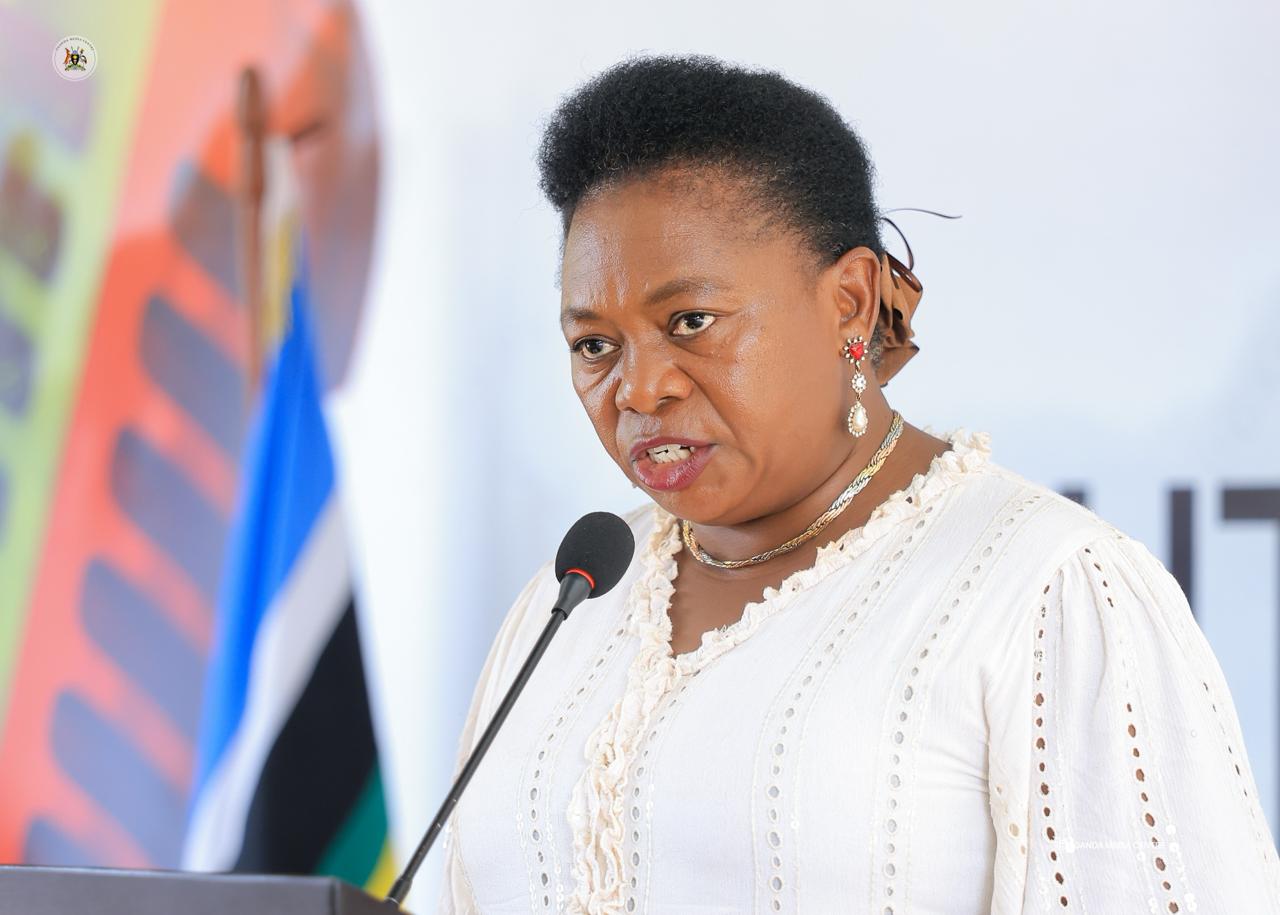
KAMPALA —The Minister of State for Lands, Hon. Harriet Ntabazi, has called for stronger efforts to safeguard land rights in Uganda, emphasising the importance of protecting citizens from unlawful land acquisition and disputes.
Speaking while addressing the media, Ntabazi highlighted the need for greater public awareness of land rights and the laws governing land ownership and administration in Uganda.
She said protecting land rights requires cooperation between government institutions, local leaders, communities and individual landowners.
Land remains one of Uganda’s most important economic and social assets, supporting agriculture, housing, business and other development activities. However, disputes over ownership, boundaries, inheritance and transactions continue to affect communities across the country.
#Protecting citizens’ land rights
Ntabazi’s message comes amid continuing concerns about land-related disputes and the vulnerability of some landowners, particularly people who may lack sufficient knowledge about land laws and procedures.
Land rights can be affected by a range of issues, including fraudulent transactions, boundary disagreements, inheritance conflicts and competing claims over ownership.
The minister stressed the importance of ensuring that citizens understand their rights and responsibilities when dealing with land.
Public awareness can help landowners take appropriate steps to document ownership, verify transactions and seek lawful assistance when disputes arise.
#Importance of proper documentation
One of the key safeguards for landowners is proper documentation.
Land transactions require careful attention to ownership records and the legal status of property before agreements are concluded.
Prospective buyers are encouraged to undertake appropriate searches and verify ownership before purchasing land.
Proper documentation can also help reduce disputes by providing evidence of ownership and clearly establishing the interests of different parties.
For government, maintaining accurate land records is equally important because reliable records can make it easier to resolve disputes and improve confidence in the land administration system.
#Land disputes
Land disputes remain a sensitive issue because land is closely connected to people’s livelihoods, homes and family inheritance.
In rural areas, agricultural land is particularly important to households whose income depends on farming.
In urban centres, rising demand for land for housing and commercial development can increase competition and disputes.
Conflicts can arise between family members, neighbours, landlords and tenants, or between communities and individuals claiming ownership of the same property.
Resolving such disputes through established legal and administrative mechanisms is important to prevent conflicts from escalating.
#Role of land institutions
Uganda’s land administration system involves several institutions responsible for registration, management and dispute resolution.
The Ministry of Lands, Housing and Urban Development has responsibility for developing policies and overseeing the country’s land administration framework.
Land offices and other relevant authorities play roles in processing transactions, maintaining records and supporting landowners.
Ntabazi’s call highlights the need for these institutions to remain accessible and responsive to citizens seeking assistance.
Efficient public services can help reduce delays and make it easier for people to obtain information about their land.
#Public awareness
The minister also stressed the importance of educating the public about land rights.
Many land disputes can become complicated when individuals enter transactions without fully understanding the legal requirements.
Citizens need to know how ownership is established, how land transactions should be conducted and where to seek assistance when problems arise.
Community sensitisation programmes can therefore complement government efforts to strengthen land administration.
Local leaders, civil society organisations and legal professionals can also contribute to public education by helping communities understand land laws.
#Protecting vulnerable landowners
Some categories of landowners can be particularly vulnerable to losing their property when they lack adequate documentation or legal support.
Widows, orphans, elderly people and families involved in inheritance disputes can face complicated land-related challenges.
Strengthening awareness and access to legal and administrative services can help such groups understand and defend their lawful interests.
However, each land dispute must be assessed on its individual facts and resolved according to applicable laws and procedures.
#Land and economic development
Land security is closely linked to Uganda’s economic development.
Farmers require secure access to land to invest in agricultural production, while businesses and investors need confidence that land acquired legally will be protected.
Secure land rights can encourage long-term investment because owners are more likely to develop property when they have confidence in their tenure.
Clear land records can also facilitate legitimate transactions and reduce uncertainty for buyers, sellers and financial institutions.
For this reason, improvements in land administration have implications beyond individual disputes.
#Urbanisation and growing demand
Uganda’s rapid urbanisation has increased demand for land in towns and cities.
As urban areas expand, agricultural land may be converted for residential, industrial and commercial purposes.
This transformation can create economic opportunities but can also increase pressure on existing landowners and communities.
Transparent land transactions and effective planning are therefore important in managing urban growth.
Authorities also have a responsibility to ensure that development complies with relevant laws and planning requirements.
#The need for lawful dispute resolution
Where land disagreements occur, citizens are encouraged to use lawful dispute-resolution mechanisms rather than resorting to violence or other unlawful actions.
Land matters can involve complex questions of ownership, succession, boundaries and contractual obligations.
The appropriate institution for resolving a dispute may depend on the nature of the case.
Legal advice can help individuals understand the appropriate procedure and avoid taking actions that could worsen a dispute.
#Government responsibility
The government’s role in safeguarding land rights includes strengthening land administration systems, enforcing relevant laws and improving access to land services.
Authorities must also ensure that land-related procedures are transparent and that citizens can obtain accurate information.
Effective oversight can help identify fraudulent practices and improve accountability within land administration.
Ntabazi’s engagement with the media provides an opportunity to communicate these responsibilities to the public while encouraging citizens to become more informed about their land rights.
#Land rights and communities
Land is not only an economic asset but also carries cultural and social significance for many Ugandan communities.
Customary land tenure remains an important form of landholding in Uganda, alongside other recognised tenure systems.
Community land interests can sometimes intersect with individual ownership, development projects and other competing interests.
Respecting legally recognised land rights and following appropriate procedures is therefore essential when dealing with community and customary land.
#Looking ahead
Safeguarding land rights requires sustained cooperation between government agencies and the public.
While government has a responsibility to improve land administration and enforce laws, citizens also need to take reasonable steps to protect their interests.
These include keeping important documents safely, verifying information before entering transactions and seeking professional or official assistance where necessary.
Continued public sensitisation could help more Ugandans understand the importance of secure land ownership and lawful transactions.
#Conclusion
Minister of State for Lands Harriet Ntabazi’s call for stronger protection of land rights highlights the importance of secure and transparent land administration in Uganda.
With land supporting livelihoods, housing, investment and economic development, disputes over ownership and access can have significant consequences for individuals and communities.
Improving public awareness, strengthening land records, ensuring transparent transactions and providing accessible mechanisms for resolving disputes can help protect legitimate landowners.
The broader challenge is to ensure that Uganda’s land administration system remains transparent, accessible and responsive while enabling land to contribute effectively to national development.
**Source:🇺🇬 Be Blessed