

















By Karim Were
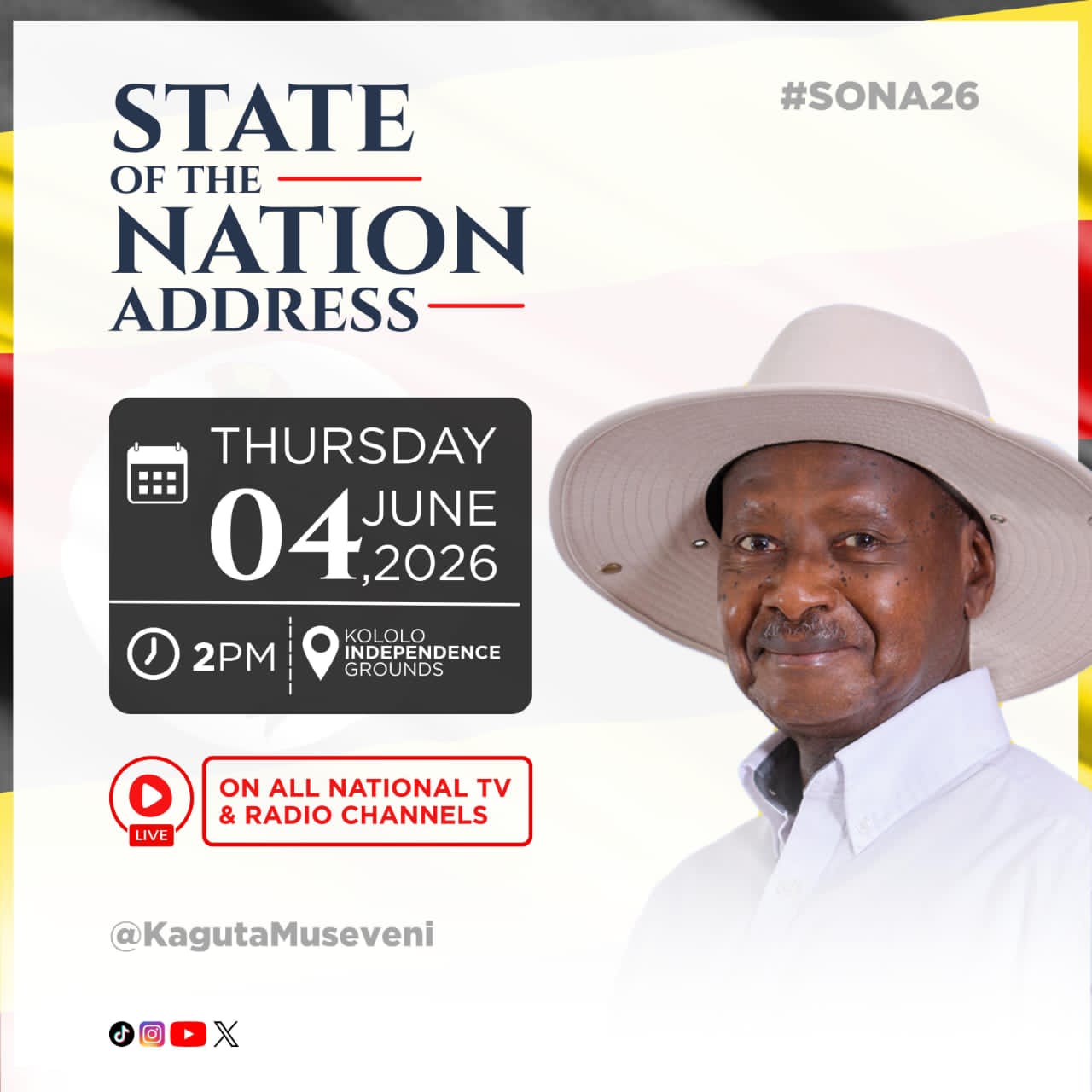
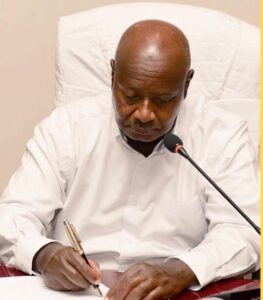
President Yoweri Kaguta Museveni is expected to use his State of the Nation Address at Kololo Independence Grounds to outline how his government plans to implement its ambitious Shs84.39 trillion budget as he prepares to begin a seventh term in office.
The address comes at a critical moment for Uganda’s economy, with government projecting Shs44.18 trillion in domestic revenue collections while allocating approximately Shs33.4 trillion to debt servicing in the 2026/27 financial year.
Having secured victory in this year’s presidential election against seven challengers, including National Unity Platform leader Robert Kyagulanyi Ssentamu, popularly known as Bobi Wine, Museveni is expected to present a roadmap for sustaining economic growth amid growing demands for jobs, improved services, and household incomes.
Key priorities are likely to include infrastructure development, with government continuing to invest heavily in road networks, electricity expansion, and information and communication technology. Officials view these sectors as essential foundations for industrialisation, investment, and regional competitiveness.
The President is also expected to renew calls for wealth creation through programmes such as the Parish Development Model, which government considers a central strategy for increasing household incomes and reducing poverty, particularly among young people and rural communities.
Agriculture is anticipated to remain a major pillar of the government’s economic agenda. Museveni is likely to encourage farmers to adopt commercial production methods, enterprise selection, and modern farming techniques to improve productivity and market access.
In manufacturing, the President is expected to highlight gains in value addition and local production, arguing that Uganda is making progress in reducing dependence on imports while increasing exports to regional and international markets.
Regional trade is also expected to feature prominently, with government seeking to expand opportunities within the East African Community despite ongoing concerns over trade restrictions and non-tariff barriers that continue to affect cross-border business.
Beyond economic issues, Museveni is likely to address the performance of key social sectors, including education and health, while calling for improved efficiency, accountability, and service delivery.
Security and political stability are expected to remain central themes, with the President arguing that peace has provided the foundation for economic activity and national development over the years.
As Uganda enters a new political term, attention will be on whether the government’s policy priorities can translate into tangible improvements in livelihoods, employment, and public services for ordinary citizens.