

























By Karim Were
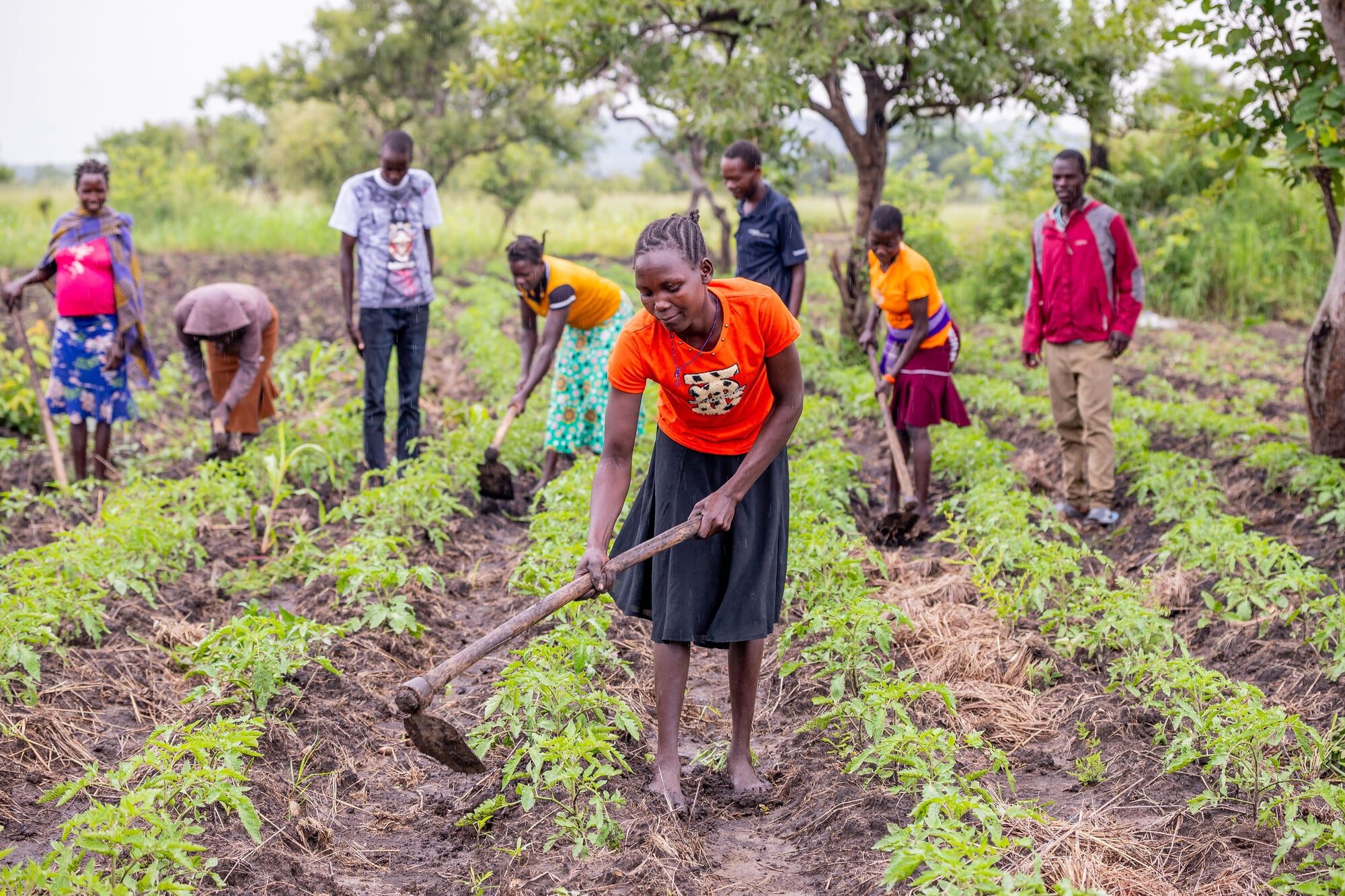
KAMPALA, Uganda —Ugandan farmers are being urged to pay closer attention to weather information and climate-resilient farming practices as changing rainfall patterns and warmer conditions continue to pose risks to agricultural production.
Uganda’s June-August 2026 seasonal climate outlook indicates that much of the country is expected to experience near-normal to below-normal rainfall, accompanied by warmer-than-average temperatures. The outlook also notes that rainfall patterns vary considerably between regions, making localised weather information important for agricultural planning. (Weather Information Dissemination System)
The information is particularly significant for smallholder farmers, many of whom depend heavily on rainfall for crop production.
Agriculture remains central to the livelihoods of millions of Ugandans, meaning disruptions to rainfall can affect not only farm incomes but also food availability and household welfare.
#Weather information becomes increasingly important
The Ministry of Water and Environment’s Weather Information Dissemination System provides seasonal forecasts and advisories covering different parts of Uganda.
For the June-August period, the ministry’s outlook identifies the season as generally dry in western Uganda, parts of eastern Uganda, including Busoga and southern Bukedi, and the central region.
In northern Uganda and much of the eastern region, however, the June-August period continues the March-May rainfall season.
The differences demonstrate why farmers cannot rely on a single national assumption about weather conditions.
Instead, agricultural decisions such as planting, harvesting, water management and crop selection need to take account of local conditions.
#Climate-resilient farming gains attention
The changing climate outlook is increasing interest in farming approaches designed to reduce farmers’ vulnerability to drought, irregular rainfall and other weather-related stresses.
Such approaches can include soil and water conservation, mulching, maintaining ground cover, improving soil health, using suitable crop varieties and making better use of weather forecasts.
Research on smart agriculture in Uganda has also examined how technologies such as sensors and digital systems could help farmers monitor rainfall, soil moisture and other conditions to improve agricultural decision-making.
The research suggests that timely environmental information could help farmers use water and other farm resources more efficiently.
#Technology could improve farm decisions
Agricultural technology is increasingly being explored as a way of helping farmers respond to unpredictable weather.
Digital platforms, mobile phones and sensor-based systems can potentially provide information on weather, soil conditions, crop health and water requirements.
For smallholder farmers, however, access and affordability remain important considerations.
A technology-based solution is only useful if farmers can access the information, understand it and apply it to their farming practices.
This makes extension services and farmer education an important complement to digital agriculture.
#Food security implications
Weather conditions have implications beyond individual farms.
Poor rainfall can reduce crop yields, affecting household incomes and local food supplies. Conversely, favourable weather and improved farming practices can support production and strengthen food availability.
Uganda has also recently faced serious food-security concerns in Karamoja, where prolonged drought and crop failures contributed to severe hunger and prompted government emergency food assistance.
The situation illustrates the vulnerability of communities that depend heavily on rain-fed agriculture and pastoral activities.
It also highlights the importance of combining emergency responses with longer-term investments in water infrastructure, resilient agricultural systems and improved livelihoods.
#Farmers need more than forecasts
Weather forecasts alone cannot eliminate the risks associated with climate variability.
Farmers also require access to quality seeds, affordable inputs, extension services, markets, storage facilities and appropriate financing.
Where irrigation is available, farmers can reduce their dependence on rainfall, although irrigation infrastructure requires investment and effective water management.
For rain-fed farmers, improved soil management can help retain moisture and reduce the effects of short dry spells.
Agricultural experts and researchers have increasingly emphasised approaches that improve soil health while reducing vulnerability to climate shocks.
#Lessons from coffee farming
Uganda’s coffee sector offers an example of farmers experimenting with climate-resilient approaches.
Reports from Masaka have highlighted the use of regenerative agricultural practices, including mulching, cover crops and shade trees, to help coffee farmers manage drought and unpredictable rainfall.
Such practices can help retain soil moisture and improve soil conditions.
Coffee is particularly important to Uganda’s agricultural economy, making the resilience of coffee-producing communities significant for both household incomes and national exports.
#Need for stronger extension services
The effectiveness of climate adaptation will partly depend on the ability of agricultural extension systems to reach farmers.
Extension workers can help translate technical weather information into practical decisions, including when to plant, which crops or varieties to consider and how to protect soil moisture.
Farmers also need information that is relevant to their particular districts and farming systems rather than broad national forecasts alone.
Improving communication between meteorological agencies, agricultural authorities, extension workers and farmers could therefore strengthen the country’s ability to respond to climate variability.
#Conclusion
Uganda’s latest seasonal climate outlook reinforces the need for farmers to make greater use of weather information and climate-resilient agricultural practices.
With rainfall expected to vary across regions and temperatures forecast to be warmer than average during the June-August period, agricultural planning will remain important.
The challenge is not simply predicting the weather but ensuring that farmers have the knowledge, technology, inputs and infrastructure needed to respond to changing conditions.
For Uganda, building resilient agricultural systems will be increasingly important for protecting farm incomes, maintaining food supplies and supporting rural livelihoods.
Source. Be blessed 🇺🇬