























By Karim Were
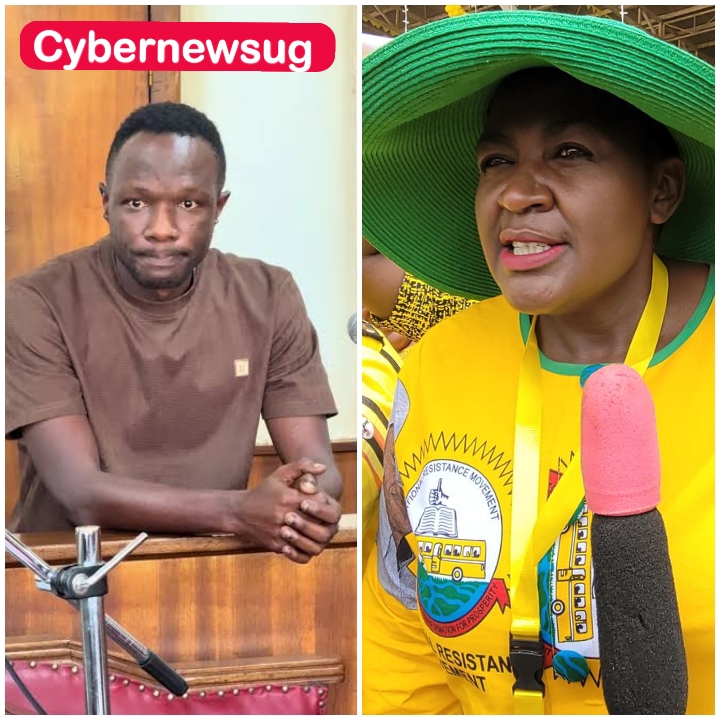
KAMPALA— A 35-year-old TikToker, Abdallah Bogere, has been remanded to custody over allegations related to claims involving the alleged theft of Shs7 billion connected to National Resistance Movement (NRM) official Hadijah Namyalo.
Bogere appeared before court, where he was charged in connection with the allegations and remanded as investigations continue.
The case has attracted public attention due to the involvement of Namyalo, who serves as Senior Presidential Advisor on Political Affairs and Manager of the Office of the National Chairman (ONC) of the NRM.
However, details surrounding the exact nature of the allegations, the evidence presented before court and the specific charges facing Bogere were not fully available at the time of publication.
As required under the law, Bogere remains presumed innocent until proven guilty by a competent court.
# Court proceedings
During the court appearance, the 35-year-old was ordered to remain in custody as police and other investigating authorities continue gathering information regarding the matter.
The remand decision means the accused will remain in custody until his next court appearance, when further legal proceedings are expected to take place.
Court officials did not determine guilt or innocence at this stage but only handled procedural matters relating to the case.
In criminal cases, investigations often continue after an accused person has appeared in court, with prosecutors expected to present sufficient evidence before trial proceedings can advance.
# Allegations involving Shs7 billion claim
The case stems from allegations involving a claim of Shs7 billion theft linked to NRM’s Hadijah Namyalo.
Details about when the alleged incident occurred, how the money was reportedly lost and the circumstances surrounding the claims remain subject to investigation.
Authorities have not publicly provided a complete account of the evidence they are relying on in the case.
The accused’s side of the matter will be presented through the legal process as proceedings continue.
# Public attention on social media cases
The case highlights growing scrutiny of content shared on social media platforms, including TikTok, where individuals can quickly reach large audiences.
Uganda, like many countries, has experienced an increase in legal disputes involving online content, particularly where allegations involve public figures, government officials or sensitive issues.
Authorities have previously warned social media users to ensure that information shared online is accurate and does not violate laws relating to defamation, false information or public order.
Legal experts often advise social media users to verify information before publishing claims that could affect the reputation of individuals or institutions.
# Role of Namyalo in NRM
Hadijah Namyalo is a prominent figure within the NRM leadership structure and heads the Office of the National Chairman, an office responsible for coordinating political mobilisation activities for the ruling party.
She has been involved in nationwide mobilisation efforts and political engagements aimed at strengthening party structures.
Her position has placed her in the public spotlight, particularly during discussions involving political activities and government programmes.
The allegations involving her name have therefore attracted significant public interest.
#Importance of due process
Legal observers say cases involving public figures require careful handling to ensure that investigations are conducted fairly and that the rights of all parties are protected.
While allegations may attract public attention, courts determine criminal responsibility based on evidence presented through established legal procedures.
The accused has the right to legal representation and to defend himself against the allegations.
Authorities involved in the case are expected to provide updates as investigations progress.
Social media and accountability
The development also renews discussions about the responsibilities of online content creators.
With millions of Ugandans using social media platforms for news, entertainment and public commentary, questions continue to emerge about balancing freedom of expression with accountability.
Online platforms have become important spaces for public debate, but they have also created challenges for law enforcement when allegations are made without supporting evidence.
Experts say responsible digital communication requires users to distinguish between verified information, personal opinions and unconfirmed claims.
What happens next
The case will proceed through the judicial process, with further hearings expected as investigations continue.
Prosecutors will be required to establish the facts surrounding the allegations, while the accused will have an opportunity to respond through his legal team.
Until a final court decision is reached, Bogere remains an accused person and not a convicted offender.
The case is expected to continue attracting attention because of the involvement of a senior political figure and the wider debate surrounding social media responsibility in Uganda.