

























By Staff Reporter. Baker
Cultural leaders in Butaleja want government to formally recognise Prof. Elley Wesana Chomi as the cultural leader of Bunyole, saying outstanding procedural requirements have been addressed.
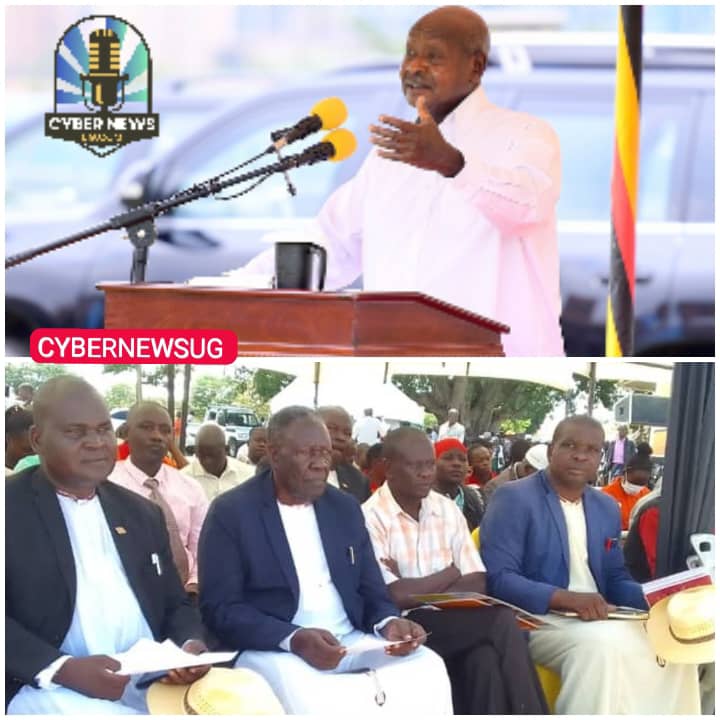
BUTALEJA, Uganda — Banyole elders in Butaleja District have asked President Yoweri Kaguta Museveni to formally gazette their cultural leader, Prof. Elley Wesana Chomi, ahead of his planned installation on December 12.
The elders, led by Bunyole Prime Minister Apollo Lyadda and other clan leaders, say the gazettement of the Sehulu would provide formal government recognition to the cultural institution and strengthen its role in preserving Banyole culture, identity and traditions.
Prof. Wesana Chomi was elected cultural leader of Bunyole in September 2019 following consultations involving members of the different clans that make up the Banyole community.
According to Prime Minister Lyadda, the cultural leader was subsequently sworn in later that month, but the institution has continued to seek formal recognition from the government through the Ministry of Gender, Labour and Social Development.
The call for gazettement comes as the Banyole prepare for the planned installation of Prof. Wesana Chomi as Sehulu on December 12.
Elders seek formal recognition
The Banyole elders argue that formal recognition is important for the cultural institution to operate within the framework governing traditional and cultural institutions in Uganda.
Lyadda said the Sehulu was elected after extensive consultations and has served the Banyole community for several years.
“We would like to inform the public and the community that ‘The Sehulu’ was elected on the 21st September 2019 and was sworn in on 24th of that very month,” Lyadda said.
He added that the community now considers gazettement to be the outstanding step in securing formal recognition.
“It is seven years down the road when he was ruling the Banyole. However, there is one missing link which we have presented to the President to keenly and seriously consider, and that is gazetting the Sehulu as a cultural leader,” he said.
The elders have therefore appealed to President Museveni to consider their request as preparations for the December installation gather momentum.
Government concerns over cultural leadership
The request for gazettement follows previous discussions about the recognition of the Bunyole cultural institution.
During the last presidential campaign in the region, Museveni reportedly indicated that formal gazettement would depend on establishing that the cultural institution was free from leadership controversies and factional disputes.
Such concerns are significant because Uganda’s traditional and cultural institutions are expected to operate within the legal framework governing cultural leadership while remaining separate from partisan political activity.
The elders now maintain that the issues previously raised concerning the Bunyole institution have been addressed.
However, the available information does not include an official statement from the Ministry of Gender, Labour and Social Development confirming that the gazettement process has been completed or that all government requirements have been formally cleared.
The claim by the elders that the outstanding issues have been resolved should therefore be understood as their position pending formal confirmation by the relevant authorities.
A leadership elected through clan consultations
The leadership of the Bunyole cultural institution has its roots in the traditional clan structures of the Banyole people.
According to Lyadda, Prof. Wesana Chomi’s election followed consultations involving the various clans before he was sworn in in September 2019.
The process was intended to provide a basis for consensus around the leadership of the cultural institution.
For communities with strong traditional structures, clan consultations can play an important role in determining cultural leadership, preserving customs and maintaining links between generations.
The proposed installation in December is therefore being presented by the elders not simply as a ceremonial event but as an important stage in consolidating the cultural institution.
What gazettement would mean
Formal gazettement would give the cultural institution an officially recognised status within the government’s framework for traditional and cultural institutions.
Uganda recognises the importance of traditional and cultural institutions in preserving cultural heritage, although the Constitution places limits on their political role.
Traditional leaders and cultural institutions are not intended to exercise governmental powers. Their responsibilities are primarily connected to cultural identity, heritage, traditional values and community cohesion.
For the Banyole community, elders say formal recognition would help establish a clearer institutional framework around the Sehulu’s leadership.
It could also provide greater certainty for cultural programmes, traditional ceremonies and engagement between the cultural institution and government agencies.
At the same time, formal recognition would require the institution to comply with applicable laws and regulations.
Why the December installation matters
The planned December 12 installation is expected to attract clan leaders, elders and members of the Banyole community.
The event could also provide an opportunity for the community to publicly reaffirm its support for the cultural institution and its leadership.
For the elders pushing for gazettement, government recognition before or around the time of the installation would be particularly significant.
They believe it would resolve what they describe as the remaining gap between the community’s internal selection of its leader and formal state recognition.
However, whether gazettement takes place before the installation will ultimately depend on the government’s assessment and the relevant administrative and legal procedures.
Cultural identity and community cohesion
The debate over the Bunyole cultural leadership also reflects a wider role played by traditional institutions in Uganda.
Across the country, cultural institutions have remained important centres of identity, heritage and community organisation.
They often serve as custodians of language, traditional practices, history and cultural values. Cultural leaders can also participate in community mobilisation on issues such as education, health, environmental conservation and social development, provided such activities remain within the law.
For the Banyole, recognition of the Sehulu is consequently viewed by supporters as an opportunity to strengthen the institutional structures through which the community preserves its cultural heritage.
The elders’ appeal also highlights the importance of resolving leadership questions through consultation and established procedures.
Need for clarity from authorities
While the Banyole elders say the requirements for recognition have been met, an official determination remains important.
The Ministry of Gender, Labour and Social Development is the government institution expected to handle matters concerning cultural institutions and traditional leadership within the relevant legal framework.
An official confirmation would clarify whether all requirements have been satisfied and what steps, if any, remain before Prof. Wesana Chomi can be formally gazetted.
It would also help avoid renewed disputes over the legitimacy of the cultural leadership.
For the institution to gain broad acceptance, both government recognition and community consensus are likely to remain important.
The broader significance for Bunyole
The call for gazettement comes at a time when cultural institutions continue to play a prominent role in Uganda’s social and cultural life.
For Bunyole, the Sehulu represents a traditional leadership structure through which the community seeks to preserve its heritage and maintain cohesion among its clans.
The elders’ campaign for formal recognition therefore goes beyond an individual leadership position. It is also about establishing an institutional framework that can represent the cultural interests of the Banyole community.
If the government formally gazettes the Sehulu after completing the necessary procedures, it could mark an important stage in the institutionalisation of Bunyole’s cultural leadership.
Conversely, any remaining concerns over competing claims or procedural compliance would need to be addressed before formal recognition can be considered complete.
Conclusion
Banyole elders in Butaleja are urging President Museveni to gazette Prof. Elley Wesana Chomi as the Sehulu ahead of his planned December 12 installation.
The elders say Wesana Chomi was elected in September 2019 following consultations among Bunyole clans and was sworn in later that month. They now want government recognition to complete the process.
Prime Minister Apollo Lyadda says the community has presented the request to the President and believes the outstanding issues surrounding the cultural institution have been addressed.
The next step rests with the relevant government authorities, particularly the Ministry of Gender, Labour and Social Development, to establish whether all legal and administrative requirements have been met.
For the Banyole community, the outcome will determine whether the long-running effort to secure formal recognition for its cultural leadership moves to its next stage ahead of the planned December installation.
Source: