
















By Karim Were
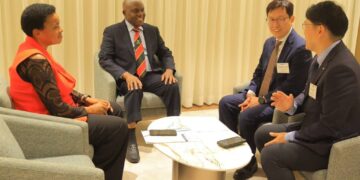
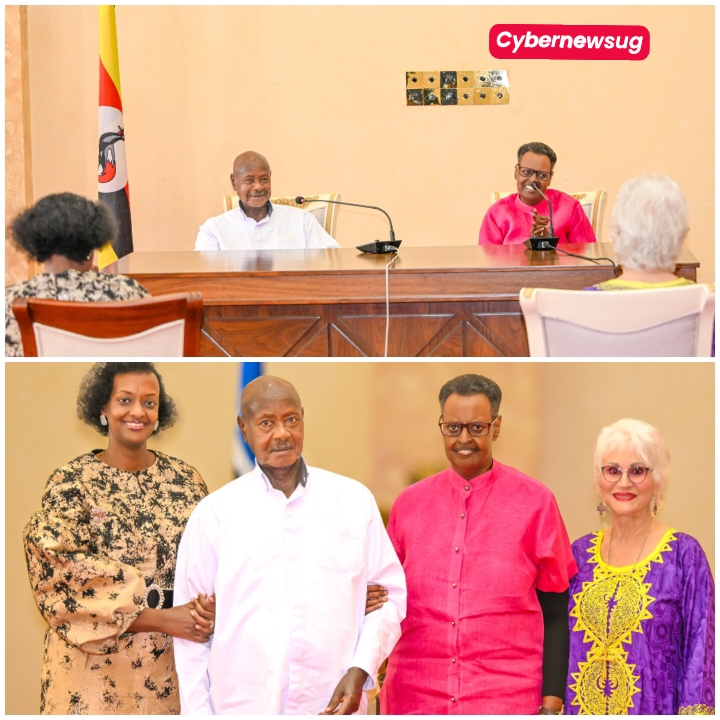
ENTEBBE —President Yoweri Museveni has welcomed international evangelist Bishop Dr. LaDonna C. Osborn to State House Entebbe, in a meeting that also prompted personal reflections on a longstanding connection between the Osborn family and the Ugandan leader’s family.
The meeting was attended by a Ugandan government official who said the encounter with Bishop Osborn was particularly significant because of memories of her late mother, who had visited the family many years ago.
According to the account shared after the meeting, the late evangelist had prayed with the family during her visit and gave each of the children their first Bible, as well as one of her books.
The official described those memories as deeply meaningful and said the earlier visit had remained precious to the family over the years.
The latest meeting at State House therefore combined an official engagement with a personal recollection of a previous generation of Christian ministry in Uganda.
#A meeting marked by personal memories
The official said welcoming Bishop Osborn was an emotional and nostalgic experience because it brought back memories of her mother and the family’s earlier encounter with her.
The late evangelist’s visit had taken place many years ago, when she spent time with the family, prayed with them and presented the children with Bibles.
The gesture, according to the account, left a lasting impression on the family.
Religious books and personal prayers can carry significance beyond the immediate moment, particularly when they become associated with childhood memories and family milestones.
For the official who attended the State House meeting, Bishop Osborn’s arrival therefore provided an opportunity to reconnect with a family whose ministry had previously touched their household.
#Bishop Osborn’s visit
Bishop Dr. LaDonna C. Osborn is an American evangelist associated with international Christian ministry.
Her visit to Uganda brought her into contact with President Museveni and members of the Ugandan leadership at State House Entebbe.
The information provided about the meeting does not specify the full agenda of the discussions between President Museveni and Bishop Osborn.
It therefore remains unclear whether the meeting included discussions on specific religious programmes, national issues or future ministry activities.
The account instead places particular emphasis on the personal and historical significance of the encounter.
#A family connection across generations
The meeting highlighted how relationships formed through religious ministry can extend across generations.
The official recalled that Bishop Osborn’s late mother had visited the family at a much earlier period.
During that visit, she prayed with the family and gave each child a Bible and one of her books.
Those items became lasting reminders of the encounter.
The official said the memories remained “very precious” to the family, underscoring the personal significance attached to the earlier visit.
The reunion with Bishop Osborn consequently offered an opportunity to remember her mother’s influence and the connection established during that earlier visit.
#The role of Christian ministry in Uganda
Christianity has played a significant role in Uganda’s social and cultural life, with churches and religious organisations involved in areas ranging from worship and evangelism to education, health and community development.
International evangelists have also visited Uganda over the years as part of religious missions and outreach activities.
Such engagements have brought together local congregations, religious leaders and international Christian organisations.
For many Ugandans, religious institutions are not only places of worship but also important parts of community life.
The State House meeting comes against that broader background of religious engagement between Uganda and international Christian leaders.
#Faith and public life
The encounter also reflects the longstanding intersection between faith and public life in Uganda.
Religious leaders regularly engage government officials and participate in national events, prayers and community initiatives.
At the same time, official meetings involving religious figures can carry both personal and public significance.
In this case, the account provided focuses on the personal connection between the official’s family and Bishop Osborn’s late mother rather than announcing a specific government policy or agreement.
That distinction is important in understanding the nature of the meeting.
#Remembering the late evangelist
Much of the significance of the meeting was linked to the memory of Bishop Osborn’s mother.
The official’s recollection portrayed her earlier visit as a formative experience for the family, particularly because she took time to pray with the children and provide them with religious materials.
The Bibles and books she gave the children represented more than physical gifts, according to the account; they became enduring reminders of the encounter.
The meeting with her daughter years later consequently served as a moment of remembrance.
#A symbolic welcome
Welcoming Bishop Osborn at State House also provided an opportunity to acknowledge the continuation of a ministry tradition from one generation to another.
While the late evangelist had previously interacted with the family, her daughter was now being received at the presidential residence.
The connection illustrates how personal relationships formed through religious and community activities can survive long after the original encounters.
It also shows how official engagements can sometimes carry private memories that are separate from the formal purpose of a meeting.
#Uganda’s religious landscape
Uganda has a diverse religious population, with Christianity and Islam forming major parts of the country’s religious landscape alongside other faith traditions.
Religious leaders and organisations play important roles in communities across the country.
They are involved in education, charitable activities, social programmes and efforts to support vulnerable groups.
International religious figures who visit Uganda often interact with local religious communities and leaders, creating opportunities for cultural and religious exchange.
The visit by Bishop Osborn fits within that broader environment of international religious engagement.
#No further details disclosed
The information available about the State House meeting does not provide details of any agreements, announcements or commitments arising from the encounter.
It also does not specify whether Bishop Osborn’s visit forms part of a larger programme in Uganda.
As a result, claims about specific future initiatives or agreements would require additional confirmation from the relevant authorities or from Bishop Osborn’s representatives.
For now, the central significance of the meeting lies in the reception of the international evangelist and the personal memories it revived.
#The importance of memory
The recollection of Bishop Osborn’s late mother demonstrates the lasting influence that personal acts of kindness can have.
For the family, the earlier visit appears to have been remembered not because of its political significance but because of the personal interaction that took place.
Praying with the children and giving them Bibles and books created a memory that remained with them for years.
The reunion with her daughter provided a natural moment to revisit that history.
#A broader message of continuity
The meeting also offers a broader example of continuity in religious ministry.
Bishop Osborn’s presence in Uganda decades after her mother’s engagement with the family connects two generations of the same ministry tradition.
Such continuity can be particularly meaningful in religious communities, where teachings, relationships and traditions are often passed from one generation to another.
For the Ugandan official involved, the encounter represented both an official welcome and a reminder of a personal family history.
#Conclusion
President Yoweri Museveni’s meeting with international evangelist Bishop Dr. LaDonna C. Osborn at State House Entebbe brought together an official engagement and a deeply personal family memory.
The encounter prompted a recollection of Osborn’s late mother, who had visited the family many years ago, prayed with them and presented the children with their first Bibles and one of her books.
Those memories, according to the official’s account, remained important to the family and gave the latest meeting a special significance.
While no specific agreements or policy announcements were provided in the information available, the meeting highlights the enduring connections that can develop through religious ministry and personal relationships.
For those involved, Bishop Osborn’s visit was therefore more than a formal reception. It was also an opportunity to remember a previous generation and the lasting impact of a simple act of faith and generosity.
Source:🇺🇬 Be Blessed