

























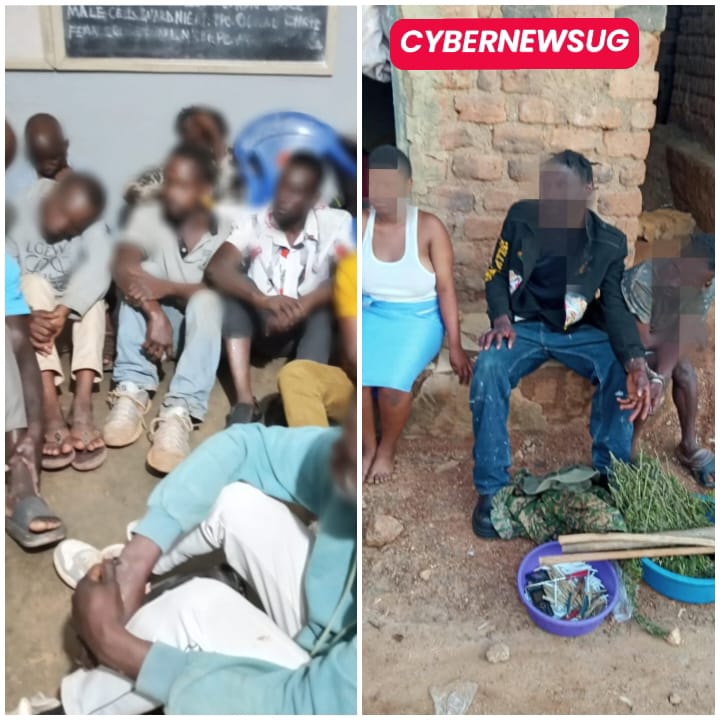
Coordinated operations targeting crime hotspots led to the arrest of 89 suspects as police intensified efforts to curb robbery, theft and other criminal activities across the Kampala Metropolitan policing area.
KAMPALA, UGANDA | 19 October 2026
Kampala Metropolitan Police has arrested 89 suspects during a series of coordinated operations conducted in identified crime-prone areas across Kampala, Wakiso and Mukono as security agencies intensify efforts to combat robbery, theft and other criminal activities.
According to Kampala Metropolitan Police spokesperson Patrick Onyango Lukowoyesigyire, the arrests were made during disruptive operations targeting areas that police have identified as hotspots for criminal activity. The operations formed part of a broader strategy aimed at preventing violent crime, improving public safety and dismantling criminal networks operating within the metropolitan policing area.
The suspects remain in police custody as investigations continue, with authorities expected to process the cases in accordance with Uganda’s criminal justice procedures.
Coordinated operations across three districts
The latest crackdown covered several locations within Kampala, Wakiso and Mukono districts, areas that collectively form one of Uganda’s busiest urban policing jurisdictions.
Police said the operations focused on disrupting criminal activity in neighborhoods where robberies, thefts and related offences have been reported or where intelligence indicated criminal groups were operating.
While police confirmed the total number of arrests, they did not immediately release the identities of the suspects or provide a detailed breakdown of the specific offences linked to each individual.
Lukowoyesigyire said the operations were intended to restore public confidence and reduce opportunities for criminals to operate within densely populated communities.
“Kampala Metropolitan Police has arrested 89 suspects in a series of disruptive operations conducted in identified crime-prone areas across Mukono, Wakiso and Kampala Metropolitan policing areas to combat robbery, theft and other criminal activities,” Lukowoyesigyire said.
The statement underscores police’s growing reliance on intelligence-led operations, in which officers identify high-risk locations before carrying out coordinated enforcement activities.
Intelligence-led policing strategy
The operations reflect a policing approach that has increasingly emphasized proactive interventions rather than waiting to respond after crimes have occurred.
Crime prevention operations typically involve intelligence gathering, surveillance and coordinated deployments of officers to locations believed to present elevated security risks.
Such operations often seek to:
-
Disrupt suspected criminal networks.
-
Recover stolen property where possible.
-
Prevent planned robberies.
-
Increase police visibility in vulnerable communities.
-
Reassure residents and businesses concerned about rising insecurity.
Although police have not disclosed operational details, authorities routinely conduct such operations with specialized units working alongside territorial police stations.
Security officials argue that visible enforcement in crime-prone areas can deter opportunistic offenders while allowing investigators to gather additional intelligence about organized criminal groups.
Focus on robbery and theft
Robbery and theft remain among the offences that frequently concern residents and business owners across the Greater Kampala Metropolitan Area.
The rapidly growing urban region—which includes Kampala City and surrounding municipalities in Wakiso and Mukono—experiences high levels of population movement, expanding commercial activity and increasing transport networks.
Police say these conditions can create opportunities for criminals targeting:
-
pedestrians,
-
motorists,
-
businesses,
-
residential homes, and
-
public transport users.
Authorities have repeatedly encouraged members of the public to remain vigilant and report suspicious activity promptly.
Community policing initiatives, neighborhood watch structures and collaboration with local leaders continue to form part of police efforts to prevent crime beyond enforcement operations.
Investigations continue
Police emphasized that the arrests represent the beginning of ongoing investigations rather than the conclusion of individual cases.
Under Uganda’s legal system, suspects remain presumed innocent until proven guilty in a court of law.
Investigators are expected to:
-
verify evidence,
-
interview witnesses,
-
establish individual roles,
-
recover exhibits where applicable, and
-
prepare files for prosecution where sufficient evidence exists.
Authorities have not yet confirmed how many suspects are expected to be formally charged or when court appearances will take place.
Further updates are expected as investigations progress.
Public cooperation remains critical
Police have continued to urge residents to cooperate with security agencies by providing timely information that can help prevent crime.
Officials say public intelligence often plays a significant role in identifying criminal hideouts, tracking suspects and preventing planned offences before they occur.
Residents are encouraged to report:
-
suspicious movements,
-
abandoned property,
-
unusual gatherings linked to criminal activity,
-
stolen property,
-
and ongoing incidents requiring immediate intervention.
Security experts frequently note that effective urban policing depends not only on law enforcement operations but also on trust between communities and police institutions.
Crime prevention in Greater Kampala
The Greater Kampala Metropolitan Area has witnessed numerous police operations over recent years aimed at addressing urban crime, particularly offences involving robbery, burglary and street theft.
Authorities have increasingly adopted targeted operations based on crime mapping and intelligence analysis to identify locations where criminal activity is concentrated.
The metropolitan policing area serves millions of residents while also accommodating large numbers of commuters who travel daily between Kampala, Wakiso and Mukono for work, education and business.
This complex urban environment presents significant policing challenges, including:
-
densely populated neighborhoods,
-
expanding informal settlements,
-
busy commercial centers,
-
extensive transport corridors,
-
and rapidly changing urban development.
Police maintain that sustained enforcement operations, combined with community engagement and intelligence sharing, remain essential components of efforts to improve public safety across the region.
Legal process and accountability
Ugandan law requires that criminal investigations follow established legal procedures, including respecting suspects’ rights during arrest and detention.
Where sufficient evidence exists, cases are forwarded to prosecutors before appearing in court.
Police have not indicated whether additional arrests are expected as part of the ongoing investigations, but the continued nature of the operation suggests authorities remain focused on disrupting criminal activity across multiple jurisdictions.
Security observers say such coordinated metropolitan operations demonstrate the importance of collaboration between different policing divisions, particularly where criminal activities cross administrative boundaries.
Broader implications
The arrest of 89 suspects highlights the continuing challenge of maintaining security within Uganda’s largest urban region.
As Kampala and its neighboring districts continue to grow economically and demographically, police face increasing pressure to balance rapid response, crime prevention and community confidence.
The success of future operations will likely depend not only on arrests but also on successful investigations, lawful prosecutions and sustained partnerships between law enforcement agencies and the communities they serve.
For residents and businesses across Kampala, Wakiso and Mukono, the latest crackdown signals an ongoing commitment by security authorities to confront urban crime while reinforcing public safety through intelligence-led policing.
Source: